Health
How to Effectively Conduct a Sleep Apnea Self Test at Home

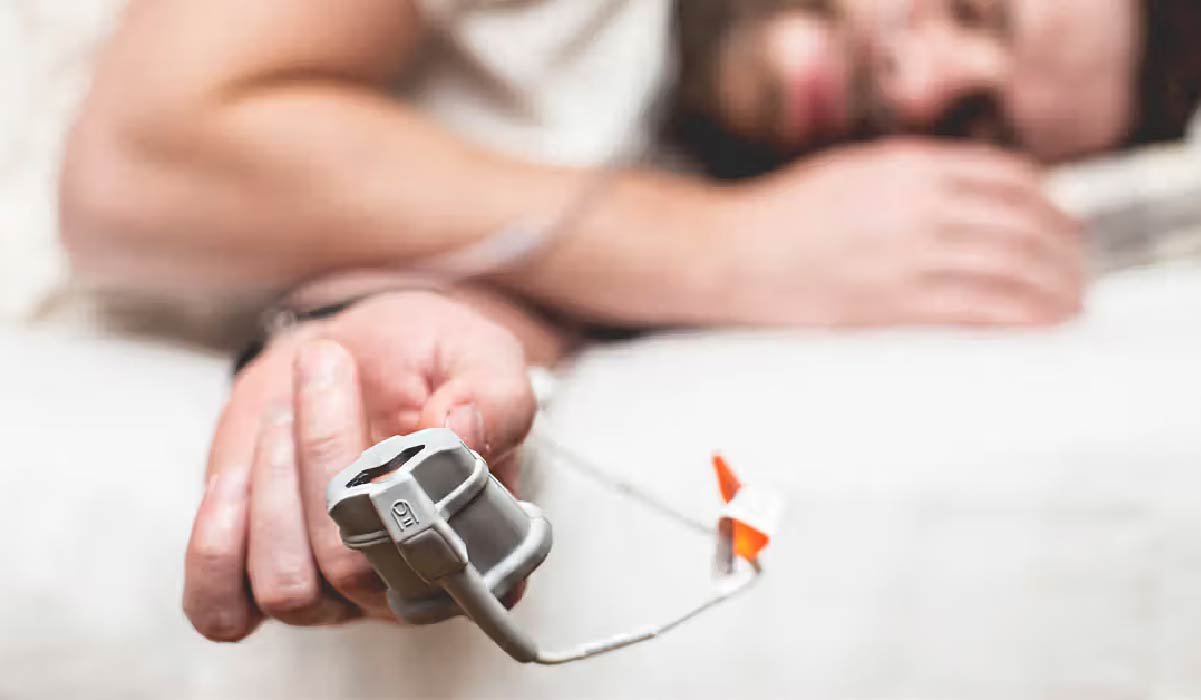
Sleep apnea is a common condition characterised by interruptions in breathing during sleep. These interruptions can lead to disrupted sleep patterns and affect overall health and well-being. Recognising the symptoms and conducting a sleep apnea self test at home can help identify sleep apnea early, allowing for timely intervention and management.
Understanding Sleep Apnea
Before delving into self-testing methods, it is important to understand what sleep apnea entails. This condition is typically classified into three types: obstructive sleep apnea (OSA), central sleep apnea (CSA), and complex sleep apnea syndrome. OSA, the most common form, occurs when throat muscles overly relax. Conversely, CSA arises from the brain failing to send proper signals to muscles that control breathing.
Symptoms of Sleep Apnea
Recognising symptoms is crucial for individuals suspecting they might have sleep apnea. Common symptoms include loud snoring, episodes of stopped breathing during sleep (reported by another person), abrupt awakenings accompanied by gasping or choking, dry mouth upon waking, morning headache, insomnia, and excessive daytime sleepiness.
When to Consider a Self Test
If you experience any of the above symptoms regularly, consider performing a sleep apnea self test at home. This is especially important if medical consultation is not immediately available, or if you are unable to participate in a clinical sleep study promptly.
Preparing for the Self Test
Preparation is key to effectively conduct a self test at home. Begin by creating a sleep diary, recording sleep patterns, duration, quality, any disruptions, and daytime drowsiness over a period of two weeks. This diary serves as a reference for identifying patterns that may suggest sleep apnea.
Conducting a Sleep Apnea Self Test
Several devices and applications are available for conducting self tests. Common tools include wearable sleep trackers, smartphone applications, and pulse oximeters. These devices monitor parameters like oxygen levels, heart rate, and sleep patterns, providing insights into potential sleep disturbances.
Using a Wearable Sleep Tracker
Wearable sleep trackers are equipped with sensors that monitor movements, heart rate, and sometimes even breathing patterns. They offer valuable data that can highlight irregularities in sleep, indicative of sleep apnea.
Utilising Smartphone Applications
Various applications can facilitate self testing by using sound analysis technology to detect snoring patterns and movements. These applications typically require more than one night of data for a reliable analysis. Such applications provide a user-friendly approach to identifying sleep issues.
Employing a Pulse Oximeter
A pulse oximeter is another effective tool for home testing. This device measures blood oxygen saturation levels and heart rate, both of which can indicate disruptions during sleep. Consistently low oxygen saturation levels might suggest occurrences of sleep apnea.
Interpreting Test Results
Once the self test is concluded, it is imperative to interpret the results correctly. Consistent patterns of low oxygen levels, frequent awakenings, or significant variations in sleep patterns should prompt consultation with a healthcare professional for further evaluation and diagnosis.
Next Steps After a Self Test
Although home testing can provide insights, it is not a substitute for professional medical evaluation. If the self test indicates potential sleep apnea, consulting a medical practitioner is recommended. They may suggest undergoing a comprehensive sleep study or polysomnography for accurate diagnosis.
Preventive and Management Strategies
There are several lifestyle changes and management strategies individuals can adopt post-diagnosis. These include losing weight, avoiding alcohol and smoking, sleeping on one side rather than on the back, and using devices such as continuous positive airway pressure (CPAP) machines to maintain open airways during sleep.
Importance of Timely Intervention
Addressing sleep apnea is vital to prevent complications such as cardiovascular issues, diabetes, and cognitive impairments. Thus, awareness and early detection through self testing play critical roles in managing the condition effectively.
Conclusion
Conducting a sleep apnea self test at home serves as an essential first step towards diagnosing sleep irregularities. While it aids in recognising potential issues, it is crucial to seek professional medical advice for confirmation and appropriate treatment. Early intervention can significantly enhance quality of life and health outcomes for those affected by sleep apnea.

How to Make Your Money Work Around an Irregular Income

A Complete Guide To Professional Teeth Whitening Treatments

How to Evaluate a Luxury Watch Before Buying: Materials, Movement, Fit, and Long-Term Value

Why So Many UK Businesses Are Still Overpaying for Energy in 2026

Luxury Smelling Local Perfume Brands from Dubai to Try

Why B2B website projects break when branding and development are split

Business Coach Calgary: Why Every Growing Company Eventually Needs One

The Biggest Negotiation Mistakes Motorcycle Sellers Make

Teachersgram First Day Collection: Unique Teacher Apparel for Every Educator

How CherryKitten Helps You Express Your Unique Style

Who Is Jennifer Rauchet?: All You Need To Know About Pete Hegseth’s Wife

Who Is Mindy Jennings?: All You Need To Know About Ken Jennings Wife

Who Is Klarissa Munz: The Untold Story of Freddie Highmore’s Wife

Who Is Mallory Plotnik?: The Untold Story of Phil Wickham’s Wife

Who Is Enrica Cenzatti?: The Untold Story of Andrea Bocelli’s Ex-Wife

Can Anything Be Done About the Skyrocketing Prices of Essential Medicines?

Meet Christina Erika Carandini Lee?: All You Need To Know Christopher Lee’s Daughter

Who Is Jasmine Gong?: The Life and Legacy of Brad Williams Wife

Who Is Allison Butler?: The Life and Influence of Kirk Herbstreit Wife

Who Is Terrance Michael Murphy?: Everything about Audie Murphy’s Son
How to Make Your Money Work Around an Irregular Income
A Complete Guide To Professional Teeth Whitening Treatments
How to Evaluate a Luxury Watch Before Buying: Materials, Movement, Fit, and Long-Term Value
Why So Many UK Businesses Are Still Overpaying for Energy in 2026
Luxury Smelling Local Perfume Brands from Dubai to Try
Why B2B website projects break when branding and development are split
Business Coach Calgary: Why Every Growing Company Eventually Needs One
The Biggest Negotiation Mistakes Motorcycle Sellers Make
Teachersgram First Day Collection: Unique Teacher Apparel for Every Educator
How CherryKitten Helps You Express Your Unique Style

 Celebrity2 years ago
Who Is Jennifer Rauchet?: All You Need To Know About Pete Hegseth’s Wife
- Celebrity2 years ago
Who Is Mindy Jennings?: All You Need To Know About Ken Jennings Wife
- Celebrity2 years ago
Who Is Klarissa Munz: The Untold Story of Freddie Highmore’s Wife
- Celebrity2 years ago
Who Is Mallory Plotnik?: The Untold Story of Phil Wickham’s Wife