Business
The Oversized Jogger Revolution in Modern Retail Markets

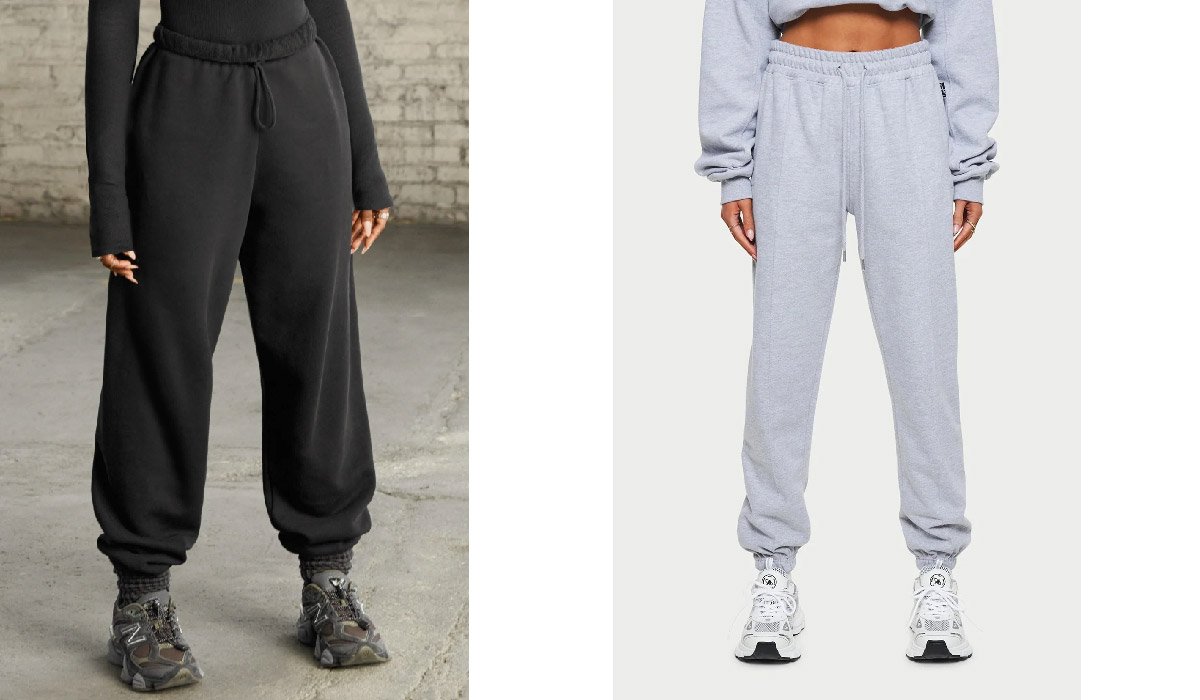
The athleisure market has transformed how people dress across virtually every context. Within this broader movement, one garment has emerged as particularly emblematic of changing fashion priorities. The oversized jogger combines comfort, versatility, and contemporary aesthetic in ways that resonate across demographics, making it one of retail’s most consistently performing categories.
From Gym Floors to Global Fashion
Athletic wear spent decades confined to sports facilities and lazy Sundays at home. The transition from purely functional sportswear to fashionable everyday clothing represents one of the most significant shifts in modern dress codes. This evolution accelerated dramatically during the 2010s as several cultural forces converged.
The Business Case for Oversized Styling
Retailers sourcing wholesale oversized joggers tap into multiple profitable market segments simultaneously. The relaxed fit appeals to comfort-focused consumers while the contemporary silhouette attracts fashion-conscious shoppers. This dual appeal creates unusually broad market reach for a single product category.
The athleisure sector has experienced remarkable growth, expanding 42% over seven years with projections suggesting the market will exceed $250 billion by 2026. Within this massive category, joggers represent a particularly strong performer. According to industry research, nearly 45% of consumers purchase athleisure items monthly, with joggers ranking among the most frequently bought pieces alongside hoodies and leggings.
Key market drivers include: health and fitness consciousness increasing across all age groups, remote work normalising casual dress in professional contexts, casualisation of social events and entertainment venues, sustainability movements favouring versatile, durable clothing, and social media influencing fashion decisions toward comfortable styles.
The oversized trend specifically addresses several consumer preferences that traditional fitted athletic wear couldn’t satisfy. Many people appreciate the non-restrictive feel that doesn’t emphasise body shape. Others value the gender-neutral aesthetic that makes pieces wearable regardless of traditional sizing conventions. The relaxed silhouette also accommodates layering more effectively than fitted alternatives.
Cultural Moments That Shaped the Trend
Fashion movements rarely emerge from single sources. The oversized jogger’s rise reflects multiple cultural influences converging at the right moment. Hip-hop culture embraced oversized athletic wear during the 1980s and 1990s, establishing baggy silhouettes as symbols of urban authenticity and resistance to mainstream fashion norms. This influence never truly disappeared, instead cycling through periods of greater and lesser mainstream acceptance.
Skateboard communities contributed practical perspectives. Skaters needed clothing that allowed freedom of movement while withstanding the physical demands of the sport. Loose-fitting joggers provided both durability and flexibility, making them natural choices for skateparks worldwide. As skateboard culture gained mainstream fashion credibility during the 2000s and 2010s, its aesthetic preferences influenced broader markets.
Technology industry leaders inadvertently accelerated athleisure acceptance by wearing casual clothing in professional contexts. When successful entrepreneurs appeared in joggers at business meetings and industry conferences, they signalled that comfort and informality could coexist with professional credibility. This normalisation effect particularly influenced younger professionals who viewed these figures as role models.
The COVID-19 pandemic proved transformative for athleisure generally and oversized joggers specifically. With millions working from home and video meetings becoming standard, people sought clothing that felt comfortable during long hours at home while looking presentable on camera. Joggers perfectly balanced these competing demands, leading to sustained sales increases even as other categories struggled.
Material Science and Comfort Technology
Modern joggers benefit from decades of textile innovation originally developed for athletic performance. These advances transformed what joggers could offer beyond simple cotton sweatpants. Contemporary fabrics incorporate moisture-wicking technology that pulls perspiration away from skin, maintaining comfort during physical activity. Stretch properties allow freedom of movement while maintaining shape over time. Temperature regulation features keep wearers comfortable across varying conditions. Quick-drying capabilities reduce the time garments need between washes.
Popular fabric compositions for quality joggers include: cotton-polyester blends offering softness with durability typically in 60/40 or 80/20 ratios, French terry providing substantial weight with breathability, fleece-lined options adding warmth for cold weather markets, technical fabrics incorporating spandex for enhanced stretch and recovery, and sustainable materials like organic cotton or recycled polyester meeting environmental concerns.
The tactile experience matters enormously in jogger sales. Customers frequently touch fabrics before purchasing, assessing softness, weight, and perceived quality. Retailers report that shoppers spend more time evaluating athleisure pieces than many other garment categories, suggesting that material quality directly influences purchase decisions.
Design Elements That Define Quality
Not all oversized joggers deliver equal value to retailers. Understanding construction quality helps buyers select inventory that satisfies customers and minimises returns. Waistband construction significantly affects comfort and durability. Quality pieces feature wide elastic bands that distribute pressure evenly rather than narrow bands that dig into skin. Drawstrings should be securely anchored and long enough to tie comfortably.
Pocket placement and construction reveal manufacturing standards. Well-designed joggers include deep, reinforced pockets that actually hold items without sagging or distorting the garment’s shape. Side seam pockets should open wide enough for easy access while maintaining clean lines when empty. Some designs incorporate zippered pockets for security, appealing to customers who wear joggers during active pursuits.
Ankle cuffs require particular attention. The elastic ribbing should maintain its shape after repeated washing without becoming loose or stretched. Cuff width affects overall aesthetic, with wider cuffs creating more pronounced gathering above the ankle. Some contemporary designs eliminate elastic cuffs entirely, opting for straight legs with slight taper, appealing to customers seeking less sporty silhouettes.
Stitching quality indicators include: reinforced stress points at pocket corners and crotch seams, consistent stitch density throughout the garment, flat-felled seams that reduce bulk and irritation, bar tacks at strategic points for extra durability, and clean finishing on interior seams preventing fraying.
Market Positioning Across Price Points
The jogger category spans enormous price ranges, from budget basics under £15 to luxury designer pieces exceeding £200. This breadth creates opportunities for retailers at every market level. Value retailers succeed by offering dependable construction and acceptable comfort at accessible prices. These pieces typically use cotton-polyester blends with standard elastic waistbands and simple pocket designs. While lacking premium details, they satisfy customers seeking functional athleisure without significant investment.
Mid-market brands balance quality improvements with reasonable pricing. These joggers often incorporate better fabrics, more thoughtful design details, and improved construction standards. Customers shopping this segment typically seek pieces that perform well through repeated wear and washing while offering more refined aesthetics than budget options.
Premium retailers justify higher prices through superior materials, exceptional fit, and distinctive design elements. French terry from European mills, sustainably sourced organic cotton, or technical fabrics with advanced performance features distinguish these pieces. Construction quality reaches higher standards with attention paid to details that mass-market manufacturers overlook.
Luxury brands position joggers as fashion statements rather than merely comfortable clothing. These pieces often feature unique silhouettes, unexpected fabric combinations, or distinctive branding that creates aspirational appeal. Customers purchasing at this level value exclusivity and design innovation alongside comfort.
The Museum Perspective on Contemporary Dress
Fashion institutions increasingly recognise athleisure’s cultural significance. The Victoria and Albert Museum in London, which houses the world’s largest and most comprehensive fashion collection, includes contemporary athleisure pieces alongside haute couture and historical garments. This institutional recognition validates what retailers already understand through sales data: comfortable, versatile clothing represents genuine fashion evolution rather than temporary trends.
Museums collect contemporary fashion to document changing social attitudes toward dress codes and body image. The acceptance of athletic-inspired clothing in contexts that once demanded formal attire reflects broader cultural shifts toward prioritising wellbeing and authenticity over rigid social conventions.
Styling Versatility Drives Repeat Purchases
Successful jogger customers often own multiple pairs, wearing them across varied contexts. This repeat purchase behaviour makes joggers particularly valuable inventory. The same garment works for early morning gym sessions, work-from-home video calls when paired with presentable tops, casual errands and shopping trips, evening relaxation at home, and travel where comfort during long journeys matters.
Popular styling combinations include: oversized joggers with fitted crop tops for balanced silhouettes, pairing with structured blazers for elevated casual looks, combining with matching hoodies for coordinated sets, styling with sleek sneakers and minimal accessories for contemporary aesthetics, and layering under long coats during cold weather.
Social media platforms amplify styling inspiration, with influencers regularly showcasing how single pairs of joggers adapt to multiple occasions. This visibility reinforces consumer perception that joggers represent practical investments rather than single-purpose purchases.
Sustainability Considerations
Environmental consciousness increasingly influences athleisure purchasing decisions. Customers ask about fabric sourcing, manufacturing processes, and garment longevity. Retailers who communicate transparently about these factors often command premium pricing and build stronger customer loyalty.
Sustainable jogger production considerations include using organic cotton grown without harmful pesticides, incorporating recycled polyester from post-consumer plastic bottles, ensuring ethical manufacturing with fair labour practices, implementing water-saving dyeing and finishing processes, and designing for durability to extend product lifespan.
The economic argument for sustainability grows stronger as customers recognise that higher-quality, ethically produced joggers ultimately cost less per wear than cheaper alternatives requiring frequent replacement. This shift toward valuing longevity over initial price represents significant change in consumer behaviour.
Looking Forward
The jogger category shows no signs of declining relevance. If anything, continued casualisation of dress codes across professional and social contexts suggests sustained demand. The garments have transcended trend status to become wardrobe essentials alongside jeans and basic tees.
Future developments likely include further fabric innovations improving comfort and performance, increased emphasis on sustainable and ethical production, expansion of inclusive sizing beyond traditional ranges, exploration of adaptive design features for people with disabilities, and continued blurring between athletic wear and everyday fashion.
Retailers who understand jogger quality indicators, market positioning options, and cultural significance will continue benefiting from this category’s reliable performance. The oversized jogger represents more than comfortable clothing; it embodies fundamental changes in how people approach fashion, prioritising authentic self-expression and physical comfort alongside aesthetic considerations. For wholesale buyers, this alignment between consumer values and product attributes creates sustainable business opportunities.

Watch Winder vs. Watch Box: What Does Your Automatic Watch Collection Actually Need?

What Is the Best Time to Visit Crystal River for Outdoor Adventures?

How South Africans Are Tackling Debt Consolidation in a High-Interest Economy

How Regular Dental Visits Help You Avoid Unexpected Dental Emergencies

Redefining parenting style with fashion-forward baby gear

How to Make Your Money Work Around an Irregular Income

A Complete Guide To Professional Teeth Whitening Treatments

How to Evaluate a Luxury Watch Before Buying: Materials, Movement, Fit, and Long-Term Value

Why So Many UK Businesses Are Still Overpaying for Energy in 2026

Luxury Smelling Local Perfume Brands from Dubai to Try

Who Is Jennifer Rauchet?: All You Need To Know About Pete Hegseth’s Wife

Who Is Mindy Jennings?: All You Need To Know About Ken Jennings Wife

Who Is Klarissa Munz: The Untold Story of Freddie Highmore’s Wife

Who Is Mallory Plotnik?: The Untold Story of Phil Wickham’s Wife

Who Is Enrica Cenzatti?: The Untold Story of Andrea Bocelli’s Ex-Wife

Can Anything Be Done About the Skyrocketing Prices of Essential Medicines?

Meet Christina Erika Carandini Lee?: All You Need To Know Christopher Lee’s Daughter

Who Is Jasmine Gong?: The Life and Legacy of Brad Williams Wife

Who Is Allison Butler?: The Life and Influence of Kirk Herbstreit Wife

Who Is Terrance Michael Murphy?: Everything about Audie Murphy’s Son
Watch Winder vs. Watch Box: What Does Your Automatic Watch Collection Actually Need?
What Is the Best Time to Visit Crystal River for Outdoor Adventures?
How South Africans Are Tackling Debt Consolidation in a High-Interest Economy
How Regular Dental Visits Help You Avoid Unexpected Dental Emergencies
Redefining parenting style with fashion-forward baby gear
How to Make Your Money Work Around an Irregular Income
A Complete Guide To Professional Teeth Whitening Treatments
How to Evaluate a Luxury Watch Before Buying: Materials, Movement, Fit, and Long-Term Value
Why So Many UK Businesses Are Still Overpaying for Energy in 2026
Luxury Smelling Local Perfume Brands from Dubai to Try

 Celebrity2 years ago
Who Is Jennifer Rauchet?: All You Need To Know About Pete Hegseth’s Wife
- Celebrity2 years ago
Who Is Mindy Jennings?: All You Need To Know About Ken Jennings Wife
- Celebrity2 years ago
Who Is Klarissa Munz: The Untold Story of Freddie Highmore’s Wife
- Celebrity2 years ago
Who Is Mallory Plotnik?: The Untold Story of Phil Wickham’s Wife