Health
How Veterinary Hospitals Handle Complex Surgeries

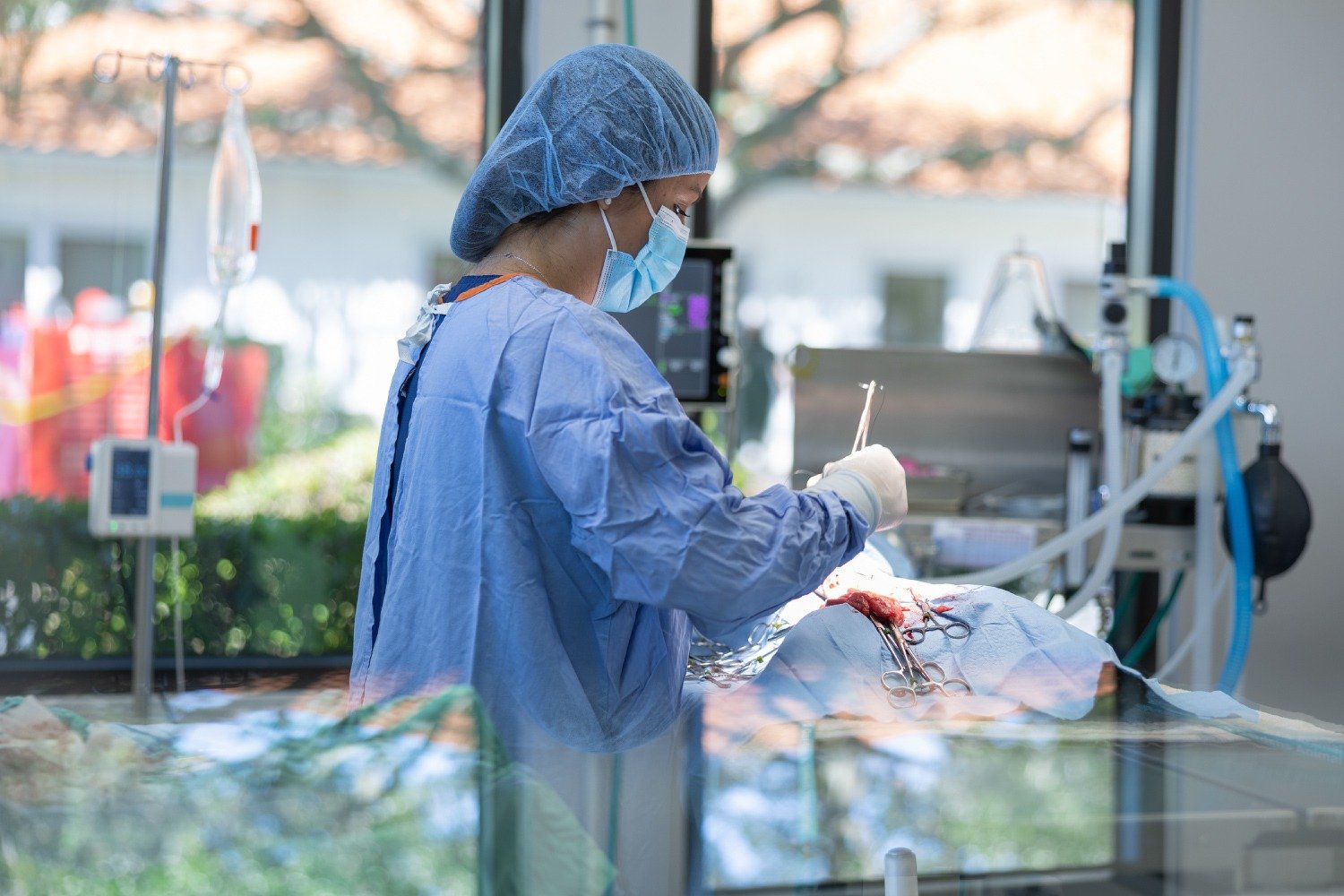
When your animal needs complex surgery, fear hits hard. You picture the operating room and wonder who will protect your companion. In a veterinary hospital, every step follows a strict plan. First, the team studies your animal’s medical history. Then they run blood tests and imaging to see the full problem. Finally, they build a clear surgical plan. Each person has a role. The surgeon leads. The anesthetic nurse tracks breathing, heart rate, and pain. The support staff prepares tools and keeps the space clean and safe. If you see a veterinarian in Studio City, CA, that person works within this kind of system. You may not see the planning, but it shapes every choice. It limits risk. It supports healing. You deserve to know how this process works so you can ask hard questions and stand up for your animal.
Step One: Careful Testing Before Surgery
You see only the exam room. Yet the real work starts in the back. The team checks if your animal can handle the surgery. They look for hidden problems that could turn into emergencies.
Common tests include three basic groups.
- Blood work to check organs and blood cells
- Imaging to see bones and soft tissue
- Heart checks to see how well the heart works
You can read about common tests on the National Center for Biotechnology Information site. These steps protect your animal and guide the plan.
Common Pre-Surgical Tests and What They Show
| Test | What It Shows | Why It Matters |
|---|---|---|
| Complete blood count | Red cells, white cells, platelets | Shows infection, anemia, or clotting risk |
| Blood chemistry panel | Kidney and liver function, electrolytes | Shows how the body handles drugs |
| Urinalysis | Kidney and bladder health | Helps spot early kidney disease |
| X rays | Bones, chest, and abdomen | Shows tumors, broken bones, or fluid |
| Ultrasound | Organs in real time | Shows masses and organ shape |
| Electrocardiogram | Heart rhythm | Spots rhythm problems that raise risk |
Step Two: Building a Safe Surgery Plan
After testing, the team builds a plan that fits your animal. They decide three core pieces.
- Which drugs to use for pain control
- How to protect breathing and blood pressure
- How to limit infection and blood loss
They also plan for trouble. They set up backup tools. They prepare extra blood. They review what to do if the heart or lungs fail. This quiet planning cuts the chance of shock and loss.
The American Veterinary Medical Association explains safe anesthesia steps on its pet anesthesia page. You can use this to ask clear questions about the plan for your own animal.
The Surgery Team and Their Roles
Complex surgery is never a one-person show. It always needs a team of three core groups.
- The surgeon who makes the cuts and repairs tissue
- The anesthesia lead who controls pain and monitors life signs
- The support staff who pass tools, track records, and clean
Each person stays focused on one job. No one can do every task at once. This split protects your animal. It keeps eyes on the heart, lungs, and blood loss every second.
You should see clear communication. The team should speak in short, direct phrases. They should confirm doses and counts out loud. This reduces human error and keeps your animal safer.
During Surgery: Constant Monitoring
Once your animal is asleep, the work shifts to constant watching. Machines track three main signs.
- Heart rate and rhythm
- Breathing rate and oxygen level
- Blood pressure and body temperature
Staff record these numbers every few minutes. They adjust drugs, fluids, and heat to keep your animal stable. They also keep eyes on the surgical site for bleeding or swelling.
In complex cases, the team may use extra tools like blood gas checks or advanced heart monitors. These help catch small changes before they turn into crises.
Reducing Pain and Infection
Pain control is not a luxury. It is part of healing. When pain is managed, animals eat sooner, move sooner, and recover faster. Your team may use three groups of methods.
- Injected pain drugs before and after surgery
- Local blocks that numb a limb or region
- Ongoing oral pain medicine at home
Infection control is just as strict. Staff cleans the skin with strong solutions. They wear caps, masks, and gloves. They use sterile tools. They also time antibiotics to hit peak levels during the surgery. This careful pattern keeps infection risk low.
After Surgery: Recovery and Watching for Trouble
The most fragile time often comes after the last stitch. As your animal wakes up, the team watches three things.
- Breathing and oxygen levels
- Body temperature
- Pain level and response to touch
They keep your animal warm. They adjust pain drugs. They check the bandage. They also watch for bleeding, vomiting, or confusion. No one should rush this step. Fast discharges can hide problems.
Before you go home, the staff should teach you how to watch the incision, give medicine, and keep your animal calm. They should give written steps. They should schedule at least one follow-up visit.
What You Can Do as a Guardian
You cannot control every risk. You can still shape the outcome. Three actions help most.
- Share your animal’s full history and all drugs and supplements
- Ask who will monitor anesthesia and what tools they will use
- Follow home care steps exactly and call if anything feels wrong
Your steady presence matters. Your questions matter. Your voice can push for clear tests, strong pain control, and careful follow-up. That pressure keeps standards high and gives your animal the best chance to return to a stable, peaceful life.

A Resident’s Guidee Workers’ to the ChesapeakCompensation Hearing Office: What to Expect

What Does the Illinois Wrongful Death Act Cover? A Guide for Families

How To File For Divorce In California: A Practical Guide From A Family Law Attorney

How Estate Planning Differs From A Simple Will

Revolutionizing Fashion Retail: The Technical Shift to 3D Virtual Try-Ons

Entertaining Clients in London: How to Get It Right

Protecting Birmingham Businesses From Digital Threats

Watch Winder vs. Watch Box: What Does Your Automatic Watch Collection Actually Need?

What Is the Best Time to Visit Crystal River for Outdoor Adventures?

How South Africans Are Tackling Debt Consolidation in a High-Interest Economy

Who Is Jennifer Rauchet?: All You Need To Know About Pete Hegseth’s Wife

Who Is Mindy Jennings?: All You Need To Know About Ken Jennings Wife

Who Is Klarissa Munz: The Untold Story of Freddie Highmore’s Wife

Who Is Mallory Plotnik?: The Untold Story of Phil Wickham’s Wife

Can Anything Be Done About the Skyrocketing Prices of Essential Medicines?

Who Is Enrica Cenzatti?: The Untold Story of Andrea Bocelli’s Ex-Wife

Meet Christina Erika Carandini Lee?: All You Need To Know Christopher Lee’s Daughter

Who Is Jasmine Gong?: The Life and Legacy of Brad Williams Wife

Who Is Allison Butler?: The Life and Influence of Kirk Herbstreit Wife

Who Is Terrance Michael Murphy?: Everything about Audie Murphy’s Son
A Resident’s Guidee Workers’ to the ChesapeakCompensation Hearing Office: What to Expect
What Does the Illinois Wrongful Death Act Cover? A Guide for Families
How To File For Divorce In California: A Practical Guide From A Family Law Attorney
How Estate Planning Differs From A Simple Will
Revolutionizing Fashion Retail: The Technical Shift to 3D Virtual Try-Ons
Entertaining Clients in London: How to Get It Right
Protecting Birmingham Businesses From Digital Threats
Watch Winder vs. Watch Box: What Does Your Automatic Watch Collection Actually Need?
What Is the Best Time to Visit Crystal River for Outdoor Adventures?
How South Africans Are Tackling Debt Consolidation in a High-Interest Economy

 Celebrity2 years ago
Who Is Jennifer Rauchet?: All You Need To Know About Pete Hegseth’s Wife
- Celebrity2 years ago
Who Is Mindy Jennings?: All You Need To Know About Ken Jennings Wife
- Celebrity2 years ago
Who Is Klarissa Munz: The Untold Story of Freddie Highmore’s Wife
- Celebrity2 years ago
Who Is Mallory Plotnik?: The Untold Story of Phil Wickham’s Wife