General
Common Eye Health Concerns in Aging and How to Address Them

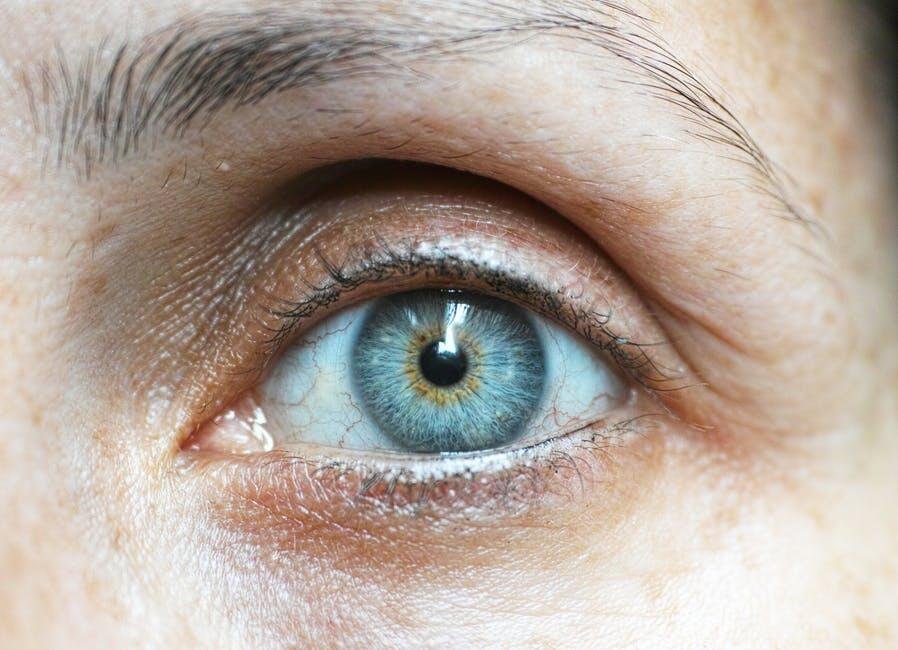
Have you ever noticed your vision changing as you’ve gotten older?
Many adults experience eye issues that slowly affect how clearly they see the world. Whether it’s needing more light to read or dealing with dry, tired eyes, age brings new challenges that deserve care and attention.
The good news is that many common eye problems can be managed or even prevented with early action and the right habits. This article explores what to look out for and how to protect your sight for years to come.
Understanding Cataracts and Blurred Vision
Cataracts are one of the most common vision issues among older adults. They happen when the eye’s lens becomes cloudy, making it harder to see clearly. People with cataracts often notice glare, faded colors, and difficulty driving at night.
Sometimes, cataracts can even lead to other uncomfortable symptoms. For example, some people experience headaches when their eyes strain to focus, which connects to headache causes linked to cataracts. Thankfully, cataracts can be treated through surgery, which safely replaces the cloudy lens and restores clear vision.
Dealing with Dry Eyes
As we age, our eyes may produce fewer tears, leading to dryness, itching, or burning. This condition, called dry eye syndrome, can make reading, using screens, or spending time outdoors uncomfortable. It’s especially common in women after menopause or in those who take certain medications.
Simple lifestyle changes can bring relief. Using a humidifier, wearing sunglasses outdoors, and applying artificial tears can keep your eyes moist. Eating foods rich in omega-3s like salmon or flaxseed also helps support tear production and eye comfort.
Managing Glaucoma and Eye Pressure
Glaucoma often develops without early symptoms, but it can quietly damage the optic nerve over time. It’s caused by a buildup of fluid pressure inside the eye, which can lead to vision loss if not treated. Regular eye exams are the best way to catch it early before permanent damage occurs.
Treatment for glaucoma usually includes prescription eye drops that reduce pressure. In more advanced cases, laser therapy or surgery may help. Sticking to treatment and monitoring eye pressure closely can prevent the condition from worsening.
Spotting Age-Related Macular Degeneration
Age-related macular degeneration, or AMD, affects the central part of your vision, making it hard to read, drive, or recognize faces. It’s caused by changes in the macula, the part of the retina that controls sharp vision. This condition is more common in people over 60.
While AMD has no complete cure, lifestyle choices can slow its progress. Avoid smoking, eat foods rich in antioxidants like leafy greens and berries, and wear UV-protective sunglasses. Eye specialists may also recommend supplements that support retinal health.
Eye Health: Clear Eyes Bright Future
Healthy vision doesn’t have to fade with age. Protecting your eyes through prevention, care, and early treatment keeps the world around you bright and detailed. Aging may change your eyesight, but with mindful care, it doesn’t have to take it away.
Good eye health is a lifelong investment. By seeing your eye doctor regularly and making simple lifestyle adjustments, you can protect your sight and maintain independence for years to come.
We hope you enjoyed reading this article. If you found it helpful, be sure to check out our blog for more informative resources.

Screening Results and Diagnostic Tests: Understanding the Next Steps After Initial Checks

Why Co-Managed IT Works Well for Businesses With Lean IT Departments

How Osteopathy Can Help Office Workers in Croydon

How to Challenge an Idea Without Losing Your Essay Argument

Who Can Be Held Liable for a Semi-Truck Accident?

How to Build a Case After a Slip and Fall in a Restaurant

A Resident’s Guidee Workers’ to the ChesapeakCompensation Hearing Office: What to Expect

What Does the Illinois Wrongful Death Act Cover? A Guide for Families

How To File For Divorce In California: A Practical Guide From A Family Law Attorney

How Estate Planning Differs From A Simple Will

Who Is Jennifer Rauchet?: All You Need To Know About Pete Hegseth’s Wife

Who Is Mindy Jennings?: All You Need To Know About Ken Jennings Wife

Who Is Klarissa Munz: The Untold Story of Freddie Highmore’s Wife

Who Is Mallory Plotnik?: The Untold Story of Phil Wickham’s Wife

Can Anything Be Done About the Skyrocketing Prices of Essential Medicines?

Who Is Enrica Cenzatti?: The Untold Story of Andrea Bocelli’s Ex-Wife

Meet Christina Erika Carandini Lee?: All You Need To Know Christopher Lee’s Daughter

Who Is Jasmine Gong?: The Life and Legacy of Brad Williams Wife

Who Is Allison Butler?: The Life and Influence of Kirk Herbstreit Wife

Who Is Terrance Michael Murphy?: Everything about Audie Murphy’s Son
Screening Results and Diagnostic Tests: Understanding the Next Steps After Initial Checks
Why Co-Managed IT Works Well for Businesses With Lean IT Departments
How Osteopathy Can Help Office Workers in Croydon
How to Challenge an Idea Without Losing Your Essay Argument
Who Can Be Held Liable for a Semi-Truck Accident?
How to Build a Case After a Slip and Fall in a Restaurant
A Resident’s Guidee Workers’ to the ChesapeakCompensation Hearing Office: What to Expect
What Does the Illinois Wrongful Death Act Cover? A Guide for Families
How To File For Divorce In California: A Practical Guide From A Family Law Attorney
How Estate Planning Differs From A Simple Will

 Celebrity2 years ago
Who Is Jennifer Rauchet?: All You Need To Know About Pete Hegseth’s Wife
- Celebrity2 years ago
Who Is Mindy Jennings?: All You Need To Know About Ken Jennings Wife
- Celebrity2 years ago
Who Is Klarissa Munz: The Untold Story of Freddie Highmore’s Wife
- Celebrity2 years ago
Who Is Mallory Plotnik?: The Untold Story of Phil Wickham’s Wife