Home Improvement
Top Reasons to Buy Wicking Beds in Australia for Efficient Gardening

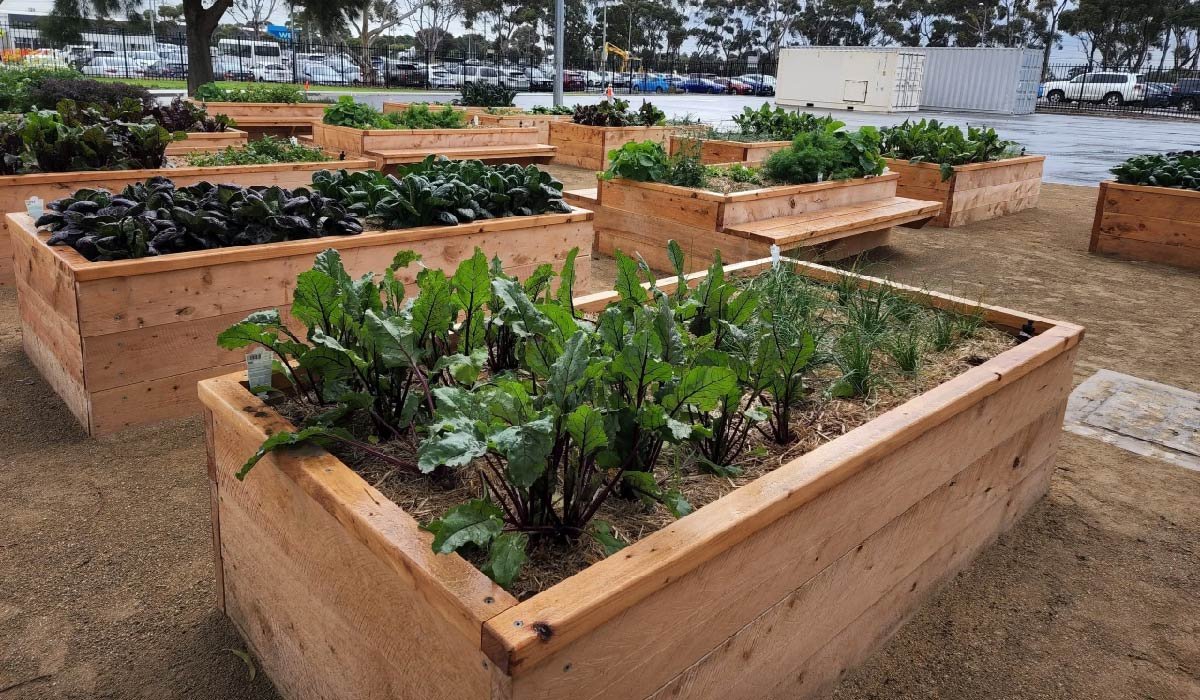
In recent years, there has been a significant shift towards sustainable and efficient gardening practices. One such method that has gained popularity among gardening enthusiasts and experts alike is the use of wicking beds. These innovative gardening solutions are ideal for the Australian climate and offer numerous benefits to gardeners. Those looking to buy wicking beds in Australia will find that these are a wise investment due to their unique design and functionality.
What are Wicking Beds?
Wicking beds are self-watering garden beds that use a special design to draw water up from a reservoir at the base of the bed into the soil, ensuring that plants receive a consistent supply of moisture. This method of watering makes them particularly suitable for areas that experience irregular rainfall or drought conditions.
Benefits of Wicking Beds in Drought-Prone Regions
Australia’s climate is often characterised by long periods of drought, making water conservation a top priority. Wicking beds offer an efficient solution to this challenge by significantly reducing water usage compared to traditional watering methods. They help in ensuring that plants remain hydrated during dry spells, which can be particularly critical for maintaining a healthy garden in arid regions.
Continuous Moisture Supply
One of the primary advantages of wicking beds is their ability to provide a continuous supply of moisture to plants. This consistent hydration is crucial for plant health and growth, as it reduces the stress that plants may experience due to fluctuating water availability. As a result, plants are often healthier and more productive.
Enhanced Nutrient Uptake
Wicking beds can improve nutrient uptake in plants by promoting a healthy root system. Since the water is drawn up through the soil, plants can access nutrients more effectively. This leads to enhanced plant growth and can result in more bountiful harvests.
Reduced Water Usage and Sustainability
In an era where sustainability is increasingly important, wicking beds stand out as a resource-efficient option. They use significantly less water than traditional garden beds, making them an environmentally friendly choice. This reduction in water demand not only benefits the gardener financially but also contributes positively to the environment.
Low Maintenance Gardening
Wicking beds are designed to be low maintenance, requiring less frequent watering compared to traditional methods. This convenience is particularly appealing for busy gardeners or those looking for an easier way to cultivate their plants. The self-watering feature allows gardeners to focus more on plant care and less on daily watering tasks.
Versatility in Different Environments
Wicking beds are versatile and can be adapted to various gardening environments. Whether one is working with a small urban backyard or a larger rural property, these beds can be customised to fit the available space and meet specific gardening needs. Their adaptability makes them a suitable choice for gardeners in a wide range of settings.
Challenges with Traditional Gardening Methods
Traditional gardening methods often involve manual watering, which can be time-consuming and inefficient. Additionally, uneven watering can lead to plant stress and inconsistent growth. Wicking beds address these challenges by providing a more reliable and efficient watering solution.
Improved Plant Health and Yield
Plants grown in wicking beds tend to be healthier and offer better yields compared to those in conventional garden beds. The consistent water supply coupled with better nutrient absorption makes it easier for plants to thrive, thereby improving both the quantity and quality of the yield.
Ideal for a Wide Range of Plants
Wicking beds are suitable for growing a wide variety of plants, including vegetables, herbs, and flowers. This versatility means that gardeners can experiment with different types of crops without the need to change their watering system. Such flexibility is a huge advantage for those looking to diversify their garden.
Aesthetically Pleasing Design
Beyond their functional benefits, wicking beds can also enhance the aesthetic appeal of a garden. They can be crafted from a variety of materials and designs to complement any outdoor space. This visual appeal can be an added bonus for gardeners who take pride in the overall look of their green space.
Cost-Effective in the Long Term
While the initial investment in wicking beds may be higher than traditional garden beds, the benefits in terms of water savings, plant health, and yield make them cost-effective in the long run. The reduced need for water and fertilisers, along with increased plant productivity, contribute to the overall cost efficiency of these innovative gardening solutions.
Conclusion
With the numerous benefits that wicking beds offer, it is no surprise that more gardeners are opting to integrate them into their gardens. Their water efficiency, sustainability, and ability to support healthy, productive plants make them an excellent choice for both amateur and experienced gardeners. For those in Australia looking to improve their gardening practices, considering the purchase of a wicking bed could prove to be a fruitful decision.

Watch Winder vs. Watch Box: What Does Your Automatic Watch Collection Actually Need?

What Is the Best Time to Visit Crystal River for Outdoor Adventures?

How South Africans Are Tackling Debt Consolidation in a High-Interest Economy

How Regular Dental Visits Help You Avoid Unexpected Dental Emergencies

Redefining parenting style with fashion-forward baby gear

How to Make Your Money Work Around an Irregular Income

A Complete Guide To Professional Teeth Whitening Treatments

How to Evaluate a Luxury Watch Before Buying: Materials, Movement, Fit, and Long-Term Value

Why So Many UK Businesses Are Still Overpaying for Energy in 2026

Luxury Smelling Local Perfume Brands from Dubai to Try

Who Is Jennifer Rauchet?: All You Need To Know About Pete Hegseth’s Wife

Who Is Mindy Jennings?: All You Need To Know About Ken Jennings Wife

Who Is Klarissa Munz: The Untold Story of Freddie Highmore’s Wife

Who Is Mallory Plotnik?: The Untold Story of Phil Wickham’s Wife

Who Is Enrica Cenzatti?: The Untold Story of Andrea Bocelli’s Ex-Wife

Can Anything Be Done About the Skyrocketing Prices of Essential Medicines?

Meet Christina Erika Carandini Lee?: All You Need To Know Christopher Lee’s Daughter

Who Is Jasmine Gong?: The Life and Legacy of Brad Williams Wife

Who Is Allison Butler?: The Life and Influence of Kirk Herbstreit Wife

Who Is Terrance Michael Murphy?: Everything about Audie Murphy’s Son
Watch Winder vs. Watch Box: What Does Your Automatic Watch Collection Actually Need?
What Is the Best Time to Visit Crystal River for Outdoor Adventures?
How South Africans Are Tackling Debt Consolidation in a High-Interest Economy
How Regular Dental Visits Help You Avoid Unexpected Dental Emergencies
Redefining parenting style with fashion-forward baby gear
How to Make Your Money Work Around an Irregular Income
A Complete Guide To Professional Teeth Whitening Treatments
How to Evaluate a Luxury Watch Before Buying: Materials, Movement, Fit, and Long-Term Value
Why So Many UK Businesses Are Still Overpaying for Energy in 2026
Luxury Smelling Local Perfume Brands from Dubai to Try

 Celebrity2 years ago
Who Is Jennifer Rauchet?: All You Need To Know About Pete Hegseth’s Wife
- Celebrity2 years ago
Who Is Mindy Jennings?: All You Need To Know About Ken Jennings Wife
- Celebrity2 years ago
Who Is Klarissa Munz: The Untold Story of Freddie Highmore’s Wife
- Celebrity2 years ago
Who Is Mallory Plotnik?: The Untold Story of Phil Wickham’s Wife