
Blog
Transition and transformation: The New Worksite Machinery

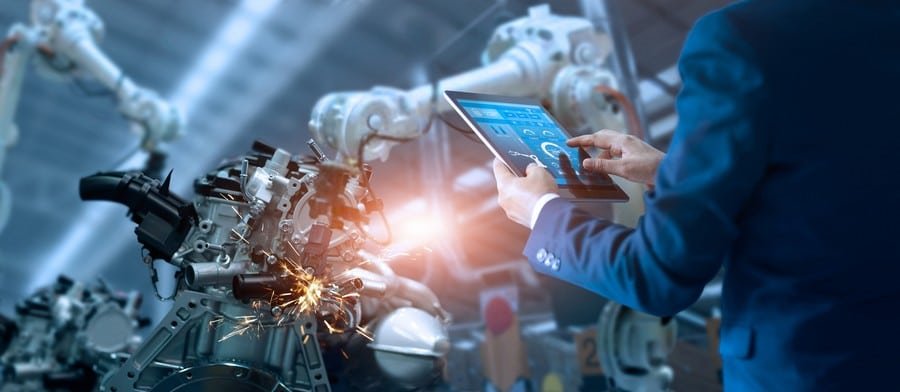
You can usually tell when a site has turned a corner just by the mix of machines sitting there in the morning. Ten years ago, most yards and warehouse surrounds were ruled by a few loud diesel units and whatever the contractor brought in when something broke. Now you’re more likely to see compact kits with cleaner lines, smarter controls, and different power tags parked side by side. In some developments around Dubai, you’ll even see a road paver on standby as part of the permanent toolkit. That says a lot about how worksite machinery is changing.
What “new worksite machinery” really looks like:
If you strip away the buzzwords, the new machinery story is quite simple. Sites are denser. Timelines are shorter. Neighbors are closer. The equipment has had to catch up.
You’re seeing smaller footprints with more capability, less noise, cleaner exhausts, and a lot more attention to how a machine behaves near live operations. Controls feel more precise. Visibility is better. Maintenance access is less of a wrestling match. On top of that, many machines now carry their own data, including hours, loads, and even hints about how hard they’ve been pushed.
For someone running a warehouse or logistics yard, this changes the question from “What can the contractor bring?” to “What should I keep on site permanently, and what should I specify when anyone touches my ground or structure? ”.
Stability under everything: compaction as part of operations.
Old compaction habits relied on feel and repetition. The newer practice leans more on understanding material, moisture, and thickness, then matching the machine to that, rather than the other way around.
This is where modern vibratory rollers have become so important. They let you tune the vibration to the actual lift you’re placing. They can get closer to structures without hammering them. Some even give feedback on relative stiffness so crews can see where they’re undercooked before the paver ever moves.
For a warehouse or yard operator, that shows up months later as fewer surprises. And if there’s one thing worksites need, it’s predictability.
Machinery sized for live sites!
A lot of new kit is clearly designed for one reality: most work now happens next to something that’s already in use. There are fewer large, empty plots and more live sites that need upgrades without closing.
So machines have had to shrink and sharpen. Shorter wheelbases. Tighter turning circles. Better low-speed control. Attachments that swap quickly so you’re not burning half a morning changing over. Engines tuned to run cleanly at partial load, rather than only being efficient when operating at full power.
You see the value when you need to re-grade a short stretch of yard between dock doors, patch a traffic island, or drop new services without shutting down an entire lane. A crew with compact, modern machinery can slot those tasks into your quieter windows instead of demanding a full closure and treating your site like a greenfield.
From your side, it means you can think more flexibly. Maybe you keep a small set of your own machines for regular tidy-up work and only bring in a larger kit for major changes. Maybe you schedule small civil jobs weekly rather than letting issues build up into one big disruption.
Operators and the learning curve.
New machinery can also be scary, especially for someone who has spent fifteen years working a certain way.
If you bring in a new kit and just drop it into the shift with no introduction, you’ll get mixed results. Some operators will adapt instantly. Others will drag old habits onto a new platform and then blame the machine when it doesn’t behave exactly as the last one did.
So, you need to make space for practice, and always listen to your people. This small investment turns new machinery from “another thing we have to use” into a tool people start to trust. And once they trust it, they’ll help you spot where it can replace clumsy processes or risky workarounds.
Inside the warehouse: the same story, different scale.
Everything happening outside has a reflection inside. Worksites are more than just concrete and asphalt. They’re also aisles, docks, staging zones, and mezzanines. And the machinery there has also been evolving.
You’re being asked to do more in the same footprint. You need higher racking and faster turns, because your work is changing. What does that mean? You need machines that can move across narrow aisles and work longer hours. You also need machinery that has a higher reach to stock up your tall shelves now.
And for that, you need a good, well-sized electric forklift that can do these jobs without any hassle.

Transition and transformation: The New Worksite Machinery

7 Aesthetic Accessories That Instantly Elevate Your Outfit

4 Benefits Of Having A Dedicated Tax Accountant For Your Business

How Firms Adapt Their Services To Regulatory And Market Shifts

Medical Device Prototyping Services: Faster Development Without Compromising Quality

How to Extend the Lifespan of Industrial Hydraulic Components

The Vital Role Of General Dentistry In Lifelong Oral Health

How to Choose the Right Mousepad desk mats for Your Desk Layout

How Rocket Canopy Windproof Walls Protect Your Booth in Harsh Weather

Why Preventive Dental Planning Matters For Households

Who Is Jennifer Rauchet?: All You Need To Know About Pete Hegseth’s Wife

Who Is Mindy Jennings?: All You Need To Know About Ken Jennings Wife

Who Is Enrica Cenzatti?: The Untold Story of Andrea Bocelli’s Ex-Wife

Who Is Klarissa Munz: The Untold Story of Freddie Highmore’s Wife

Who Is Mallory Plotnik?: The Untold Story of Phil Wickham’s Wife

Meet Christina Erika Carandini Lee?: All You Need To Know Christopher Lee’s Daughter

Who Is Allison Butler?: The Life and Influence of Kirk Herbstreit Wife

Who Is Terrance Michael Murphy?: Everything about Audie Murphy’s Son

Alec Bohm Wife: Everything You Need to Know About Jacque Darby

Who Is Jessica Marie Blosil?: Everything About Marie Osmond’s Daughter
Transition and transformation: The New Worksite Machinery
7 Aesthetic Accessories That Instantly Elevate Your Outfit
4 Benefits Of Having A Dedicated Tax Accountant For Your Business
How Firms Adapt Their Services To Regulatory And Market Shifts
Medical Device Prototyping Services: Faster Development Without Compromising Quality
How to Extend the Lifespan of Industrial Hydraulic Components
The Vital Role Of General Dentistry In Lifelong Oral Health
How to Choose the Right Mousepad desk mats for Your Desk Layout
How Rocket Canopy Windproof Walls Protect Your Booth in Harsh Weather
Why Preventive Dental Planning Matters For Households
-
 Celebrity2 years ago
Who Is Jennifer Rauchet?: All You Need To Know About Pete Hegseth’s Wife
-
 Celebrity1 year ago
Who Is Mindy Jennings?: All You Need To Know About Ken Jennings Wife
-
 Celebrity1 year ago
Who Is Enrica Cenzatti?: The Untold Story of Andrea Bocelli’s Ex-Wife
-
 Celebrity2 years ago
Who Is Klarissa Munz: The Untold Story of Freddie Highmore’s Wife