Home Improvement
UK’s Most Overrated Garden Trends

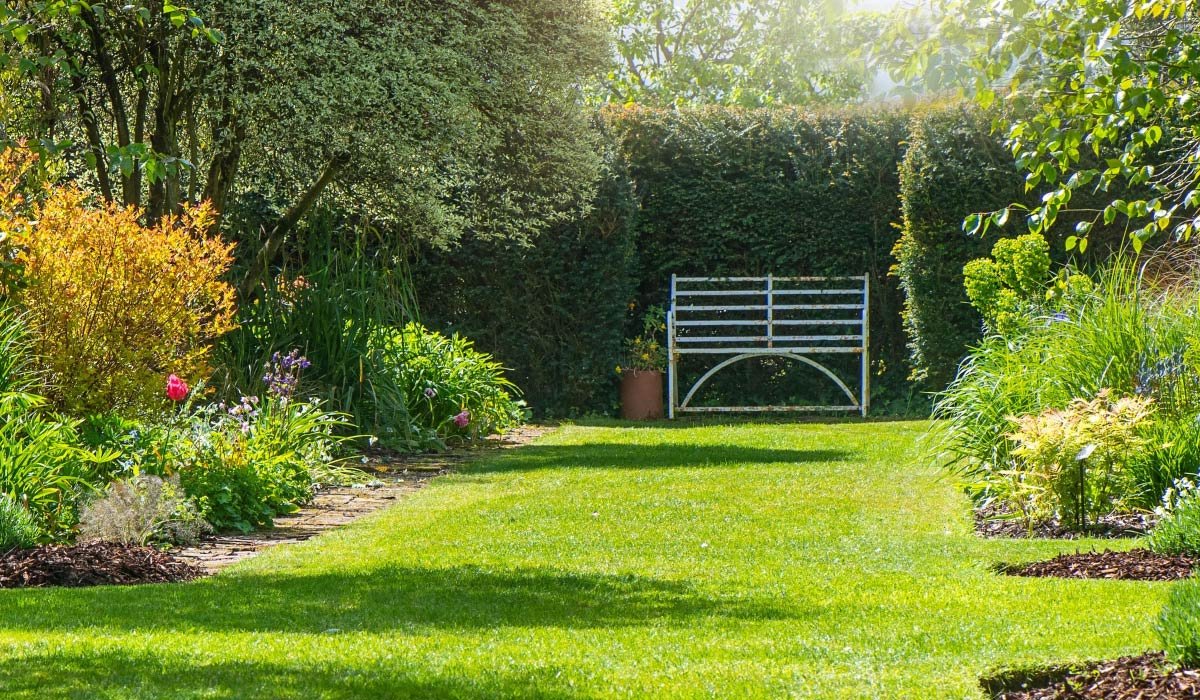
Most of us have spent a Saturday morning staring at a glossy magazine and wondering why our back garden feels so underwhelming.
The urge to replicate a Chelsea Flower Show winner is strong, leading many to embrace the latest fads with open arms. British gardens have undergone a massive transformation, but some trends have genuinely overstayed their welcome.
Let’s be honest about which ones those are.
Artificial Grass
The dream of a permanently green lawn without the hassle of a mower has led many to swap their turf for rolls of emerald plastic. While it looks perfect for the first few weeks, artificial grass quickly begins to lose its initial lustre under the weight of foot traffic.
In the height of summer, these synthetic fibres can become hot enough to burn little furry companions’ paws or our bare feet. Unlike real grass, which naturally cools the air through evaporation, plastic lawns trap heat and make the garden feel stuffy and suffocated.
In addition to that, the environmental cost is significant because these rugs offer zero support for our local bees and worms.
Over time, dust and debris settle into the fibres, leading to a lingering damp smell that you can neutralise or remove through specialised vacuuming.
Gravel Gardens
Gravel seemed like the ultimate solution for anyone tired of weeding, promising a Mediterranean vibe that would require almost zero maintenance.
However, anyone who has installed a sea of grey stones knows that nature eventually finds a way through even the thickest landscape fabric.
Debris from nearby trees and wind-blown seeds settle between the rocks, creating an ideal environment for the most stubborn garden pests to thrive.
Once weeds take root in gravel, removing them becomes a tedious task that often involves more bending and pulling than a traditional flowerbed would.
In the UK, the damp climate also encourages moss and algae to grow on the stones, turning a bright feature into a slippery, grey mess. Instead of a sleek courtyard, you’ll often end up with a crunchy surface that requires constant raking and chemical treatments to maintain.
Vertical Gardens
Living walls have become the darling of urban design, offering a way to cram lush greenery onto the side of a shed or a brick boundary. They look spectacular in professional displays, but maintaining that level of perfection in a residential setting is a different story entirely.
These systems rely on intricate irrigation that can easily clog or fail, leading to unsightly brown patches right at eye level. Gravity can be a constant challenge, too, as nutrients often wash down to the bottom plants while the ones at the top are left parched.
British winters can be particularly cruel to these exposed root systems, as they lack the insulation provided by the actual ground.
Without the help of professional landscape design services to ensure the engineering is sound, these vertical features often become expensive compost heaps.
Trendy Outdoor Furniture
The trend for bringing the indoors out has seen British patios filled with plush velvet cushions and intricate wicker sofas. While these sets look incredibly inviting during a showroom visit, they’re often ill-suited to the unpredictable shifts in our local weather.
You’ll often find yourself in a frantic sprint to move heavy cushions every time a grey cloud appears on the horizon. If left out during a sudden downpour, these items take days to dry and can quickly develop a stubborn layer of mildew.
Even the most expensive sets can fade or become brittle after just a couple of seasons of exposure to UV rays and frost.
Investing in furniture that prioritises weather resistance over interior aesthetics is usually the only way to ensure the seating lasts longer than a single summer.
Excessive Outdoor Lighting
There is a fine line between a subtly lit evening space and a back garden that looks like it is hosting a midnight football match. The trend for installing dozens of powerful LED spotlights has turned many peaceful neighbourhoods into zones of permanent twilight.
Over-lighting not only washes out the natural beauty of the plants but also disrupts the local wildlife that relies on the dark. Nocturnal visitors like hedgehogs and owls can become confused or deterred by the glare of poorly positioned floodlights.
A more effective method involves using fewer lights to highlight specific textures or paths, rather than trying to illuminate every single leaf. Keeping the glow low and warm creates a far more relaxing environment for an evening glass of wine.
Painted Fences
Dark grey and jet black fences have taken over gardens across the country, providing a modern backdrop that makes green foliage pop.
While the initial transformation is striking, you’ll find that the upkeep required to keep these surfaces looking sharp is often underestimated.
Every scratch, bird dropping, and splash of mud shows up clearly on a dark, matte surface, making your green space look untidy very quickly.
As the wood expands and contracts with the changing of seasons, the paint often cracks or peels, requiring an annual commitment to sanding and recoating.
Natural wood stains are much more forgiving, as they age gracefully and don’t highlight every minor imperfection in the timber. Choosing a finish that suits your surroundings will save you hours of tedious brushwork every spring.
Overly Themed Gardens
The themed garden—coastal, Japanese, Tuscan, wildflower meadow—is a concept that sounds wonderful at the planning stage. But you’ll find that it’s considerably more demanding to sustain once your initial enthusiasm has settled.
A Japanese garden requires specific plants, precise pruning, raked gravel, and a commitment to restraint that most busy households find difficult to maintain.
A coastal theme works beautifully in Cornwall and looks oddly out of place in Wolverhampton. Themes impose a logic on a space that nature tends to resist, and the result is often a garden that feels rigid and high-maintenance simultaneously.
Gardens evolve naturally when they’re allowed to. Choosing plants that genuinely thrive in your specific UK microclimate will always produce something more satisfying than chasing a theme that belongs somewhere else.
Conclusion
Your garden is ultimately a place for you to relax and connect with nature, so do not feel pressured to follow every passing trend. Focus on what makes you happy and what actually grows well in our unique British soil and climate.
Steer clear of the plastic grass and the blinding spotlights, and you will find that a bit of simplicity goes a long way. Happy gardening, and may your weeds be few and the clouds clear just in time for the weekend!

Watch Winder vs. Watch Box: What Does Your Automatic Watch Collection Actually Need?

What Is the Best Time to Visit Crystal River for Outdoor Adventures?

How South Africans Are Tackling Debt Consolidation in a High-Interest Economy

How Regular Dental Visits Help You Avoid Unexpected Dental Emergencies

Redefining parenting style with fashion-forward baby gear

How to Make Your Money Work Around an Irregular Income

A Complete Guide To Professional Teeth Whitening Treatments

How to Evaluate a Luxury Watch Before Buying: Materials, Movement, Fit, and Long-Term Value

Why So Many UK Businesses Are Still Overpaying for Energy in 2026

Luxury Smelling Local Perfume Brands from Dubai to Try

Who Is Jennifer Rauchet?: All You Need To Know About Pete Hegseth’s Wife

Who Is Mindy Jennings?: All You Need To Know About Ken Jennings Wife

Who Is Klarissa Munz: The Untold Story of Freddie Highmore’s Wife

Who Is Mallory Plotnik?: The Untold Story of Phil Wickham’s Wife

Who Is Enrica Cenzatti?: The Untold Story of Andrea Bocelli’s Ex-Wife

Can Anything Be Done About the Skyrocketing Prices of Essential Medicines?

Meet Christina Erika Carandini Lee?: All You Need To Know Christopher Lee’s Daughter

Who Is Jasmine Gong?: The Life and Legacy of Brad Williams Wife

Who Is Allison Butler?: The Life and Influence of Kirk Herbstreit Wife

Who Is Terrance Michael Murphy?: Everything about Audie Murphy’s Son
Watch Winder vs. Watch Box: What Does Your Automatic Watch Collection Actually Need?
What Is the Best Time to Visit Crystal River for Outdoor Adventures?
How South Africans Are Tackling Debt Consolidation in a High-Interest Economy
How Regular Dental Visits Help You Avoid Unexpected Dental Emergencies
Redefining parenting style with fashion-forward baby gear
How to Make Your Money Work Around an Irregular Income
A Complete Guide To Professional Teeth Whitening Treatments
How to Evaluate a Luxury Watch Before Buying: Materials, Movement, Fit, and Long-Term Value
Why So Many UK Businesses Are Still Overpaying for Energy in 2026
Luxury Smelling Local Perfume Brands from Dubai to Try

 Celebrity2 years ago
Who Is Jennifer Rauchet?: All You Need To Know About Pete Hegseth’s Wife
- Celebrity2 years ago
Who Is Mindy Jennings?: All You Need To Know About Ken Jennings Wife
- Celebrity2 years ago
Who Is Klarissa Munz: The Untold Story of Freddie Highmore’s Wife
- Celebrity2 years ago
Who Is Mallory Plotnik?: The Untold Story of Phil Wickham’s Wife