Health
The Science Behind Immune-Boosting Soups: How They Help Your Body Fight Illness

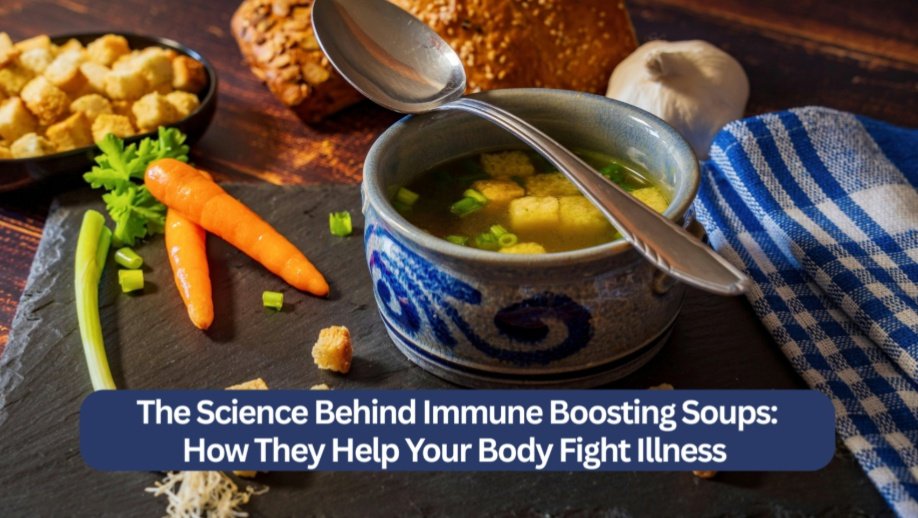
As soon as you notice symptoms like a cold, sore throat, or wave of tiredness, you likely crave something warm, soothing, and easy to consume. Soups are usually the favorite comfort food, though the calming effect is not solely psychological.
Soups have a proven biological impact, boosting your immune response, minimizing inflammation, and accelerating your body’s healing.
If you ever wondered why a simple bowl of soup seems like a curing agent, you are about to find out how interesting it is scientifically.
Why Soups Are a True Immune Ally?
People have probably heard they need immune boosting soup when they are sick with a cold or flu, but hardly anyone realizes why soups are so useful.
The immune system requires the interaction of a complex of nutrients, hydration, antioxidants, and amino acids to be at its best. Soups, in a unique way, are designed to provide all these essentials in one warm and easy-to-digest meal.
A recent study published in Science Direct shows that well-prepared chicken soup significantly increases the concentration of water-soluble proteins and free amino acids, nutrients that support immune function and enhance the soup’s overall nutritional value.
To understand why soups are so effective, here are the keyways to strengthen your body during illness.
1. Hydration Advantage: Keeping Immune Cells Active

Dehydration becomes common when you’re sick because your appetite drops and your body loses fluids through fever or congestion. However, your immune cells need to be properly hydrated to work properly.
Soups are rich in water, electrolytes, and sodium, which keep the body fluid in balance.
Warm drinks, especially soups, enhance the flow of blood, something that is essential in aiding white blood cells to access infection sites with a lot of effectiveness. In simpler terms, hydration enhances the transport system that your immune cells rely on to get to the pathogen fast.
2. Soups Deliver Essential Amino Acids for Recovery
Bone, chicken, and vegetable soup help in providing amino acids, including cysteine, glycine, and glutamine. These amino acids aid the immune system, repairing the tissues and controlling inflammation.
A well-known compound, N-acetylcysteine (NAC), is a product of the amino acid cysteine. Chicken soup is a source of natural cysteine, and maybe this is one of the reasons why it has been used for centuries as a cold and flu remedy.
3. Vegetables Transport Antioxidants to Reduce Inflammation
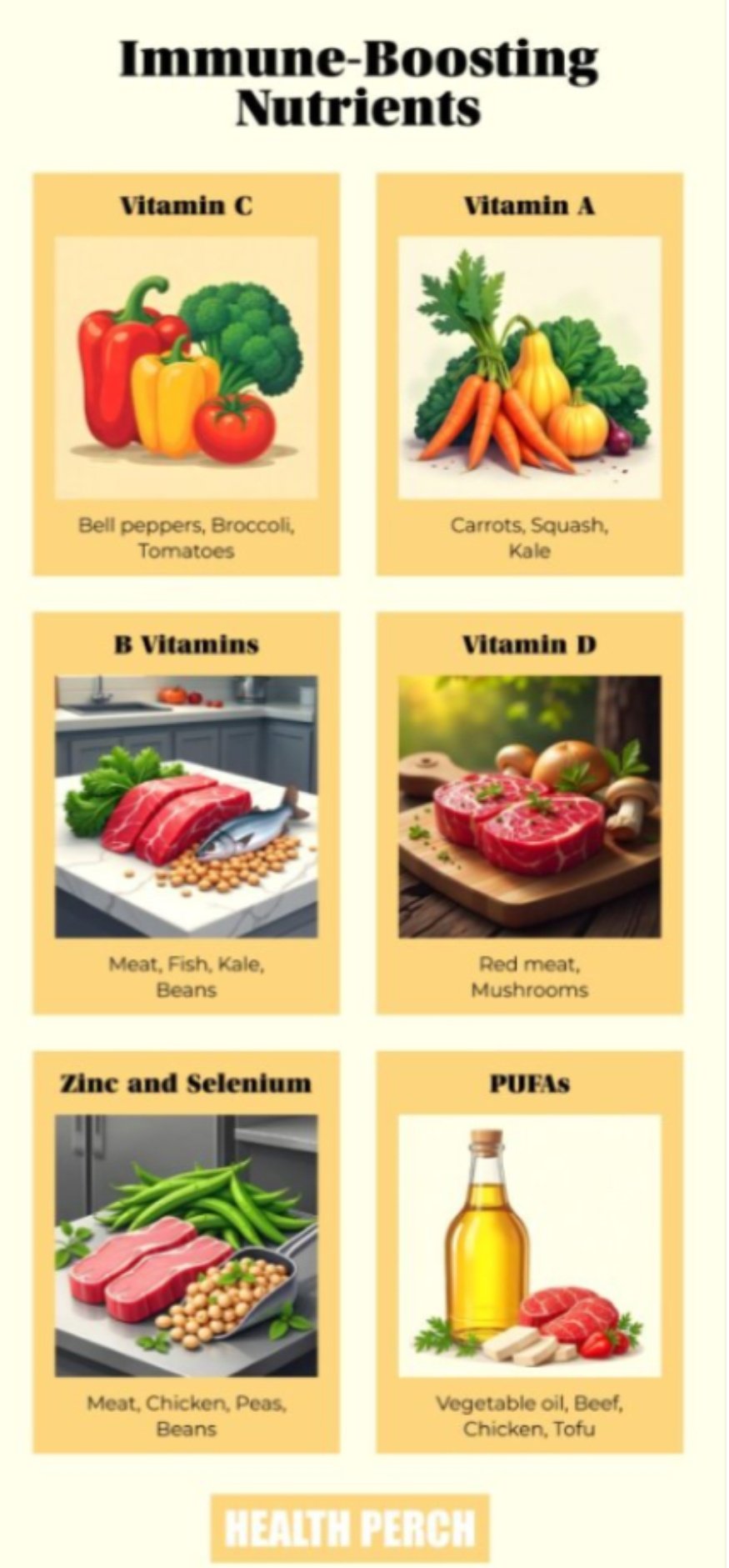
Immune-boosting soups typically contain carrots, garlic, onions, green leafy vegetables, mushrooms, and herbs, all of which provide antioxidants, including vitamin C, beta-carotene, quercetin, and selenium. Antioxidants cancel out free radicals or unstable molecules that erupt when your body is fighting off an infection.
Reduced oxidative stress means:
- Lower inflammation
- Shorter illness duration
- Faster tissue repair
- Less cellular damage
For example, garlic contains allicin, a compound known to support immune function. In the same manner, mushrooms contain beta-glucans, which support white blood cell activity.
4. Herbs and Spices: Natural Antimicrobials
Ginger, turmeric, black pepper, thyme, or bay leaves may be part of your soup. In addition to taste, such ingredients have a spectacular effect in terms of therapy.
- Ginger: It helps reduce nausea and inflammation by blocking certain prostaglandins.
- Turmeric: It has curcumin, which is a strong anti-inflammatory.
- Black Pepper: It boosts the absorption of curcumin.
- Thyme: It contains natural antimicrobial and cough suppressive properties.
According to research published in the MDPI Plants Journal, herbal spices contain bioactive compounds with strong antioxidant and anti-inflammatory properties. The study notes that these spices can boost immune activity and support respiratory health.
5. Warm Temperature Aids in Cleansing the Mucus and Relaxing
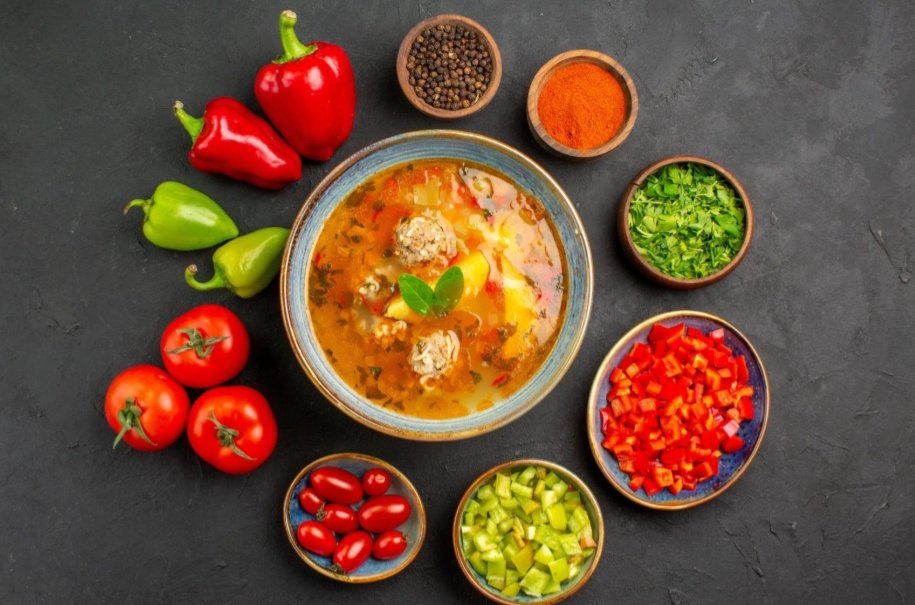
Temperature plays an important role in how your body responds during illness. Soups are beneficial in several ways:
- Better Mucus Flow: Warm liquids loosen the mucus in the nasal cavity, and hence, the mucus becomes easier to clear, and your body will get rid of the virus better.
- Reduced Throat Irritation: Heat warms up the throat and eliminates pain. Also, as compared to cold foods, warm soups do not tighten or irritate an already irritated throat.
- Improved Digestion: Warm fluids aid digestive enzymes and gut motility, which is very important as approximately 70 percent of your immune system is located in the gut.
- Enhanced Comfort and Reduced Stress: There are psychological gains associated with comfort food. So, once your stress levels decrease, your immune function improves because cortisol levels decrease.
6. Soups Are Gentle on Digestion During Illness
An overstimulated immune system leads to poor digestion since the body is focused on infections. Lots of energy is spent on heavy or processed foods that could be used for healing.
Soups offer:
- Quick nutrient absorption
- Zero digestive strain
- Easy customization according to health needs
This is why soups are not only worth choosing when you have a cold, but also a smart way to give your digestive system a break while still getting essential nutrients.
What to Toss into Your Immune-Boosting Soup
To prepare an effective immune-supporting bowl at home, combine the following:
- Base: Bone broth, vegetable stock, chicken broth
- Vegetables: Spinach, carrots, tomatoes, mushrooms, onions, garlic
- Proteins: Lentils, beans, tofu, chicken
- Healthy herbs: Rosemary, cilantro, parsley, thyme
- Spices: Ginger, turmeric, black pepper, cumin
- Healthy fats: Olive oil or a touch of ghee
A combination of these ingredients strengthens your body, supports immune function, and makes recovery easier and quicker.
Conclusion
Soups have been a healing practice across cultures for generations, and science now explains why. They rehydrate the body, support immune activity, reduce inflammation, nourish the gut, and deliver powerful antioxidants.
A mindfully prepared bowl of soup can be your best ally when your immunity feels low, or even when you simply want to feel healthier.

Screening Results and Diagnostic Tests: Understanding the Next Steps After Initial Checks

Why Co-Managed IT Works Well for Businesses With Lean IT Departments

How Osteopathy Can Help Office Workers in Croydon

How to Challenge an Idea Without Losing Your Essay Argument

Who Can Be Held Liable for a Semi-Truck Accident?

How to Build a Case After a Slip and Fall in a Restaurant

A Resident’s Guidee Workers’ to the ChesapeakCompensation Hearing Office: What to Expect

What Does the Illinois Wrongful Death Act Cover? A Guide for Families

How To File For Divorce In California: A Practical Guide From A Family Law Attorney

How Estate Planning Differs From A Simple Will

Who Is Jennifer Rauchet?: All You Need To Know About Pete Hegseth’s Wife

Who Is Mindy Jennings?: All You Need To Know About Ken Jennings Wife

Who Is Klarissa Munz: The Untold Story of Freddie Highmore’s Wife

Who Is Mallory Plotnik?: The Untold Story of Phil Wickham’s Wife

Can Anything Be Done About the Skyrocketing Prices of Essential Medicines?

Who Is Enrica Cenzatti?: The Untold Story of Andrea Bocelli’s Ex-Wife

Meet Christina Erika Carandini Lee?: All You Need To Know Christopher Lee’s Daughter

Who Is Jasmine Gong?: The Life and Legacy of Brad Williams Wife

Who Is Allison Butler?: The Life and Influence of Kirk Herbstreit Wife

Who Is Terrance Michael Murphy?: Everything about Audie Murphy’s Son
Screening Results and Diagnostic Tests: Understanding the Next Steps After Initial Checks
Why Co-Managed IT Works Well for Businesses With Lean IT Departments
How Osteopathy Can Help Office Workers in Croydon
How to Challenge an Idea Without Losing Your Essay Argument
Who Can Be Held Liable for a Semi-Truck Accident?
How to Build a Case After a Slip and Fall in a Restaurant
A Resident’s Guidee Workers’ to the ChesapeakCompensation Hearing Office: What to Expect
What Does the Illinois Wrongful Death Act Cover? A Guide for Families
How To File For Divorce In California: A Practical Guide From A Family Law Attorney
How Estate Planning Differs From A Simple Will

 Celebrity2 years ago
Who Is Jennifer Rauchet?: All You Need To Know About Pete Hegseth’s Wife
- Celebrity2 years ago
Who Is Mindy Jennings?: All You Need To Know About Ken Jennings Wife
- Celebrity2 years ago
Who Is Klarissa Munz: The Untold Story of Freddie Highmore’s Wife
- Celebrity2 years ago
Who Is Mallory Plotnik?: The Untold Story of Phil Wickham’s Wife