Home Improvement
Dog-Friendly Artificial Grass: Avoiding Common Pitfalls and Mistakes

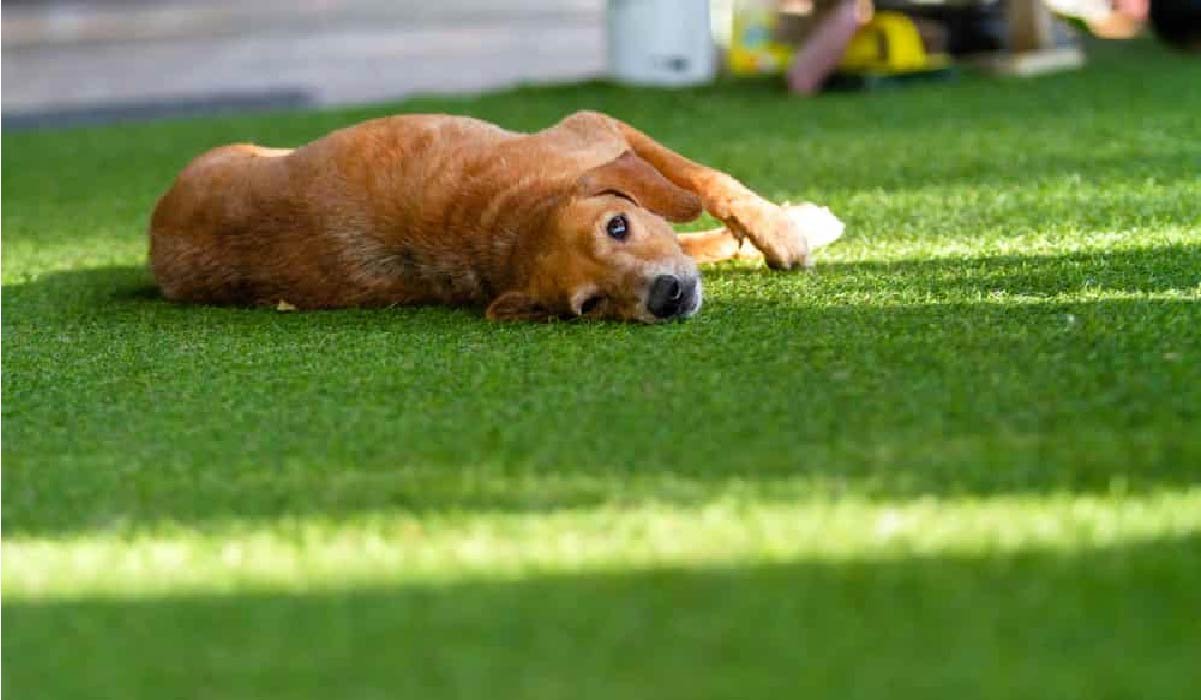
Your dog deserves a clean, safe outdoor space to play without turning your yard into a muddy mess. More owners are choosing synthetic turf, but not all products are the same. Pick the wrong one and you can end up with odors, poor drainage, and materials that might harm your pet.
To make a smart choice about artificial grass for dogs, you need to know what separates good installations from bad ones. The wrong decisions can mean expensive replacements, an unhappy dog, and a frustrated homeowner. This guide covers the most common mistakes people make when choosing and installing dog-friendly artificial grass, so you can create a yard that works for both you and your pet.
Choosing the Wrong Type of Artificial Grass for a Dog-Friendly Friendly
Not every synthetic turf product suits homes with pets. The biggest mistake homeowners make is selecting standard artificial grass without considering their dog’s specific needs. Generic turf often lacks proper drainage systems, uses materials that retain heat excessively, or contains backing that traps odors.
When shopping for artificial grass dog-friendly options, look for products specifically designed with antimicrobial properties. These turfs include infill materials that prevent bacterial growth and neutralize urine odors naturally. Standard turf without these features becomes a breeding ground for bacteria, creating unpleasant smells that regular hosing won’t eliminate.
Understanding Infill Requirements
The infill material makes or breaks your synthetic lawn’s performance with pets. Many installers use standard silica sand or crumb rubber, which are completely wrong for dog areas. These materials trap urine and create odor problems within weeks.
Quality dog-friendly artificial grass installations use specialized infill products like zeolite or antimicrobial-coated options. Zeolite naturally absorbs and neutralizes ammonia from pet urine, while antimicrobial infills actively prevent bacterial growth. Skipping this upgrade saves money initially but costs significantly more when you need to replace the entire system.
Ignoring Proper Drainage Planning
Adequate drainage determines whether your artificial turf stays fresh or becomes a soggy, smelly mess. The most critical mistake happens during the base preparation phase. Rushing through this step or trying to cut costs on materials leads to water pooling, which creates the perfect conditions for odor development and bacterial growth.
Your base layer needs at least four inches of crushed rock or decomposed granite, properly compacted and graded. The artificial grass itself should have a drainage rate of at least 30 inches per hour. Many homeowners discover too late that their installer used substandard backing material that doesn’t drain efficiently enough for pets who use the yard multiple times daily.
Underestimating Installation Complexity
Installing artificial grass dog-friendly in your yard looks straightforward in online tutorials, but DIY installations frequently fail. The seams show, edges lift, wrinkles develop, and drainage problems emerge within months. Professional installation costs more upfront, but prevents these expensive problems.
Common DIY mistakes include:
- Failing to remove enough existing soil and organic material
- Inadequate compaction of the base layer, leading to settling
- Poor seam techniques that create visible lines and weak points
- Incorrect securing methods that allow edges to curl or lift
Even if you handle other home improvement projects successfully, artificial grass installation requires specific tools and expertise. The base preparation alone determines 80% of your installation’s long-term success.
Overlooking Heat Retention Issues
Synthetic turf gets hot, sometimes reaching temperatures that burn your dog’s paw pads. This becomes especially problematic in sunny climates where dark-colored artificial grass dog-friendly products absorb excessive heat. Many pet owners don’t consider this factor until their dog refuses to walk on the lawn during summer afternoons.
Choose lighter-colored turf options that reflect more sunlight, or look for products with cooling technology built into the backing. Some manufacturers now offer turf with infrared-reflective coatings that reduce surface temperatures by up to 20 degrees. Creating shaded areas in your yard also helps, giving your dog cool spots to rest between play sessions.
Managing Temperature in Hot Climates
If you live somewhere with intense summer heat, take additional precautions beyond product selection. Install your turf in areas that receive afternoon shade when possible. Consider adding misting systems or keeping a sprinkler nearby to cool the surface before your dog goes out during peak heat hours.
Skipping Regular Maintenance Requirements
Thinking that artificial turf requires zero maintenance is a costly assumption. Dog-friendly artificial grass needs consistent upkeep to stay fresh and functional. Pet waste must be removed immediately, and the surface should be rinsed regularly to prevent urine concentration in specific areas.
Establish a maintenance routine that includes:
- Daily removal of solid waste to prevent bacterial buildup
- Weekly rinsing of high-traffic areas where dogs urinate most frequently
- Monthly deep cleaning with enzyme-based cleaners designed for synthetic turf
- Quarterly brushing to keep fibers upright and infill evenly distributed
Neglecting these tasks leads to matted fibers, concentrated odors, and premature wear. The turf that should last 15 years fails within five when maintenance gets ignored.
Misjudging the Dog-Friendly Artificial Grass Cost
Budget planning errors cause problems before installation even begins. The dog-friendly artificial grass cost includes far more than the turf itself. Homeowners who focus solely on material costs end up surprised by the total project expense, sometimes abandoning installations halfway through or compromising on critical components.
Factor in expenses for base materials, professional grading, proper drainage systems, quality infill, installation labor, and edging materials. Quality installations typically range from eight to twelve dollars per square foot for the complete system. Cheaper quotes usually mean shortcuts that compromise performance with pets.
Calculating Long-Term Value
While the upfront dog-friendly artificial grass cost seems high, consider the savings over time. You eliminate expenses for lawn care services, fertilizers, pesticides, water bills, and lawn equipment. Most quality installations pay for themselves within five to seven years through these savings, while lasting 15 to 20 years with proper maintenance.
Failing to Check Product Certifications
Safety certifications matter when pets spend time on synthetic surfaces. Some artificial grass products contain harmful chemicals or heavy metals that leach from backing materials. Skipping certification checks puts your dog at risk for health problems ranging from skin irritation to more serious issues.
Look for turf certified as lead-free and non-toxic by independent testing organizations. Quality manufacturers provide documentation showing their products meet safety standards for both children and pets. If a supplier can’t produce these certifications immediately, move on to companies that prioritize transparency.
Creating a Safe, Lasting Solution
Avoiding these common mistakes turns artificial grass into a genuinely dog-friendly choice. Your dog gets a clean, comfortable outdoor space that stays mud-free and is easier on their joints. You get a low-maintenance yard that looks great year-round without constant upkeep.
Success comes from prioritizing quality over trying to save money, choosing products made for pets, ensuring proper installation, and keeping up with basic maintenance. Spend time researching options, get multiple quotes from experienced installers, and make sure all materials meet safety standards. That extra effort up front prevents years of frustration and creates an outdoor space where both you and your dog will enjoy spending time together.

Watch Winder vs. Watch Box: What Does Your Automatic Watch Collection Actually Need?

What Is the Best Time to Visit Crystal River for Outdoor Adventures?

How South Africans Are Tackling Debt Consolidation in a High-Interest Economy

How Regular Dental Visits Help You Avoid Unexpected Dental Emergencies

Redefining parenting style with fashion-forward baby gear

How to Make Your Money Work Around an Irregular Income

A Complete Guide To Professional Teeth Whitening Treatments

How to Evaluate a Luxury Watch Before Buying: Materials, Movement, Fit, and Long-Term Value

Why So Many UK Businesses Are Still Overpaying for Energy in 2026

Luxury Smelling Local Perfume Brands from Dubai to Try

Who Is Jennifer Rauchet?: All You Need To Know About Pete Hegseth’s Wife

Who Is Mindy Jennings?: All You Need To Know About Ken Jennings Wife

Who Is Klarissa Munz: The Untold Story of Freddie Highmore’s Wife

Who Is Mallory Plotnik?: The Untold Story of Phil Wickham’s Wife

Who Is Enrica Cenzatti?: The Untold Story of Andrea Bocelli’s Ex-Wife

Can Anything Be Done About the Skyrocketing Prices of Essential Medicines?

Meet Christina Erika Carandini Lee?: All You Need To Know Christopher Lee’s Daughter

Who Is Jasmine Gong?: The Life and Legacy of Brad Williams Wife

Who Is Allison Butler?: The Life and Influence of Kirk Herbstreit Wife

Who Is Terrance Michael Murphy?: Everything about Audie Murphy’s Son
Watch Winder vs. Watch Box: What Does Your Automatic Watch Collection Actually Need?
What Is the Best Time to Visit Crystal River for Outdoor Adventures?
How South Africans Are Tackling Debt Consolidation in a High-Interest Economy
How Regular Dental Visits Help You Avoid Unexpected Dental Emergencies
Redefining parenting style with fashion-forward baby gear
How to Make Your Money Work Around an Irregular Income
A Complete Guide To Professional Teeth Whitening Treatments
How to Evaluate a Luxury Watch Before Buying: Materials, Movement, Fit, and Long-Term Value
Why So Many UK Businesses Are Still Overpaying for Energy in 2026
Luxury Smelling Local Perfume Brands from Dubai to Try

 Celebrity2 years ago
Who Is Jennifer Rauchet?: All You Need To Know About Pete Hegseth’s Wife
- Celebrity2 years ago
Who Is Mindy Jennings?: All You Need To Know About Ken Jennings Wife
- Celebrity2 years ago
Who Is Klarissa Munz: The Untold Story of Freddie Highmore’s Wife
- Celebrity2 years ago
Who Is Mallory Plotnik?: The Untold Story of Phil Wickham’s Wife