General
The Mood Palette: How Interior Colors Affect Your Well-Being

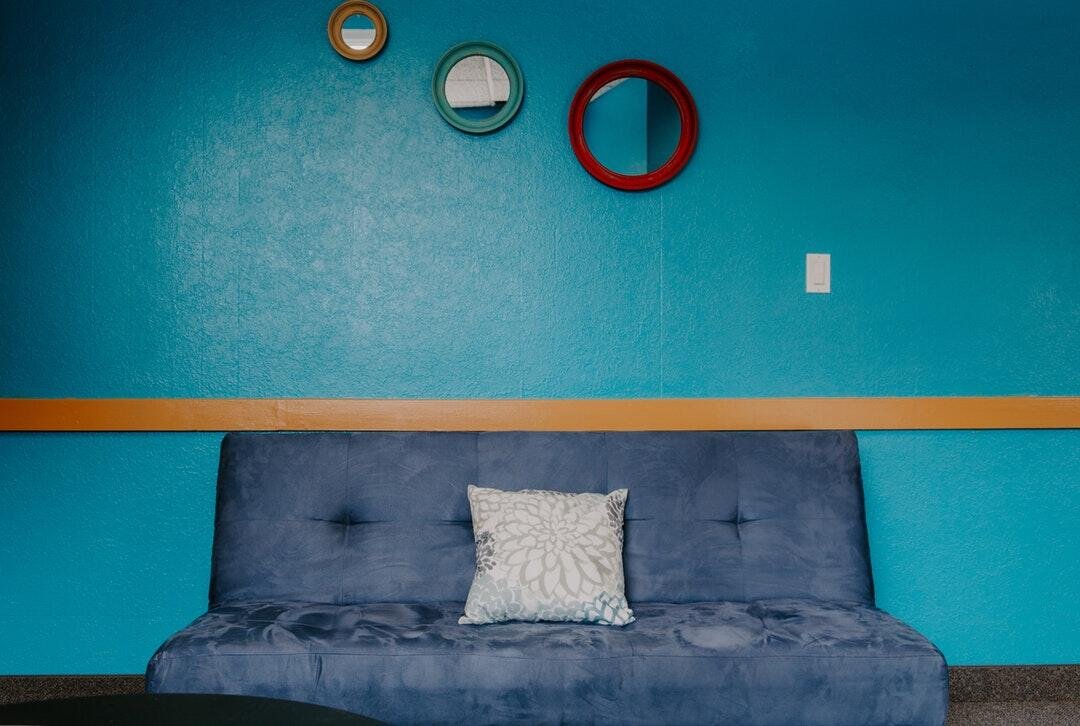
Color shapes our world in ways we often don’t even realize. From the vibrant hues of nature to the subtle tones of our favorite clothes, colors evoke strong feelings and memories. When it comes to designing our interior spaces, the choice of color can significantly influence our well-being.
Have you ever walked into a room painted in bright yellow and felt instantly cheerful? Or stepped into a room with dark colors and felt a sense of heaviness? The psychology of color is powerful and affects how we feel, think, and even act.
The Science of Color Psychology
Color psychology studies how different colors impact our emotions and behaviors. In contrast, cool colors such as blue and green often create calm and tranquility. Understanding these effects can help us design spaces that boost our mood and enhance our well-being.
Warm Colors for Energy
Warm colors are associated with warmth, happiness, and enthusiasm. Colors like red, orange, and yellow can invigorate a space and bring about feelings of joy and excitement. For instance:
Red
It is a bold and fiery hue, can stimulate passions and draw attention like a magnet, making it a great choice for areas where you want lively interactions, like a dining room where friends and family gather to share laughter and stories. The vibrant energy of red can ignite conversations, spark creativity, and create a cozy ambiance perfect for socializing.
Orange
It is a dynamic blend of red’s energy and yellow’s warmth, combining the best of both worlds to promote a sense of excitement and encouragement. Like a gentle nudge, orange inspires us to take action, fostering an environment that’s both motivating and uplifting. Imagine a home gym or playroom where orange walls energize and stimulate, encouraging us to push beyond our limits.
Yellow
This is the radiant color of sunshine, which is known to evoke feelings of happiness and optimism, making it the perfect fit for kitchens and offices where we spend a significant amount of time. Just like a sunny day, yellow brightens our mood, boosts our confidence, and fills us with enthusiasm, making it an ideal choice for spaces where we cook, work, and create.
Using warm colors strategically can uplift your mood, making your home feel more inviting and energizing.
Cool Colors for Relaxation
Cool colors have a calming effect and are perfect for creating serene environments. Here are a few examples:
Blue
Imagine yourself standing on a calm beach at dawn, feeling the gentle ocean breeze on your skin. Blue is often associated with peace and stability, which can provide tranquility in bedrooms and bathrooms. This soothing color can slow down our heart rate, reducing stress and anxiety.
Green
Picture yourself walking through a lush forest, surrounded by the vibrant sounds of nature. Reflecting nature, green fosters a sense of balance and harmony, making it great for living areas and workspaces. This calming color can improve our vision, reduce eye strain, and even boost our productivity.
Purple
Envision yourself walking into a luxurious spa, surrounded by the rich aroma of lavender. This is particularly in lighter shades, can introduce a soothing, luxurious atmosphere, ideal for relaxation. Purple’s calming effect can reduce anxiety, promoting a sense of calmness and serenity.
Color Combinations and Mood Effects
Choosing the right color combinations can enhance the mood of a room significantly. It is essential to consider the overall vibe you want to create.
Contrasting Colors
Using contrasting colors can create excitement but requires careful placement. A powerful combination like bright yellow paired with deep blue can make a playful atmosphere.
Contrasting warm tones with cool shades can help balance energy levels in a room, making it lively yet cozy. These bold combinations attract attention and spark creativity.
Complementary Colors
Complementary colors are opposite on the color wheel and create harmony. Pairing light blue with soft orange creates a gentle balance that feels refreshing. Green and pink can cultivate a bright and cheerful atmosphere without overwhelming the senses.
Such color schemes promote relaxation and connection, enhancing well-being.
Impact of Lighting on Color Perception
The way light interacts with colors can also affect how we perceive them. Natural light often enhances colors, making them appear more vibrant and lively. Using the right lighting helps enhance the colors in a room and positively influences your well-being.
Accessorizing with Color
Besides walls, furniture and accessories also play a huge role in interior colors. Incorporate colors through:
Cushions
Rugs
Artwork
Plants
These elements allow for experimentation without committing to an entire room makeover. For example, a vibrant piece of artwork can become a focal point, pulling together various colors in a space, while houseplants can introduce shades of green that promote well-being.
Creating Personal Spaces
Your home should reflect your personality and preferences. Tailoring your color palette to what makes you feel good is essential.
Do you feel happiest in vibrant spaces, or do you prefer serene, muted tones? Understanding your preferences can guide your design choices, enhancing your overall well-being.
Exploring Your Style
Consider creating a mood board with colors that inspire you. This can be a fun activity, helping you visualize how different colors interact and affect your mood. You might find that combining colors you enjoy produces a comforting and uplifting environment.
Professional Insight on Interior Colors
If you’re unsure about color choices, consulting with a professional can help. An Orlando painter can provide valuable insight into color trends and efficient combinations, ensuring your space feels just right.
Putting It All Together
The influence of color on well-being cannot be underestimated. Whether you want to energize your living areas or create serene spaces for relaxation, understanding color psychology helps you make informed choices. From warm, lively hues to cool, calming shades, the colors you choose can significantly impact your mood.
Final Thoughts
As you explore colors for your interiors, remember that personalization is key. The best color palette for your home is one that feels right to you, promotes your well-being, and creates spaces that you love being in.
Start experimenting and see how the power of color transforms your home into a happier place!

A Resident’s Guidee Workers’ to the ChesapeakCompensation Hearing Office: What to Expect

What Does the Illinois Wrongful Death Act Cover? A Guide for Families

How To File For Divorce In California: A Practical Guide From A Family Law Attorney

How Estate Planning Differs From A Simple Will

Revolutionizing Fashion Retail: The Technical Shift to 3D Virtual Try-Ons

Entertaining Clients in London: How to Get It Right

Protecting Birmingham Businesses From Digital Threats

Watch Winder vs. Watch Box: What Does Your Automatic Watch Collection Actually Need?

What Is the Best Time to Visit Crystal River for Outdoor Adventures?

How South Africans Are Tackling Debt Consolidation in a High-Interest Economy

Who Is Jennifer Rauchet?: All You Need To Know About Pete Hegseth’s Wife

Who Is Mindy Jennings?: All You Need To Know About Ken Jennings Wife

Who Is Klarissa Munz: The Untold Story of Freddie Highmore’s Wife

Who Is Mallory Plotnik?: The Untold Story of Phil Wickham’s Wife

Can Anything Be Done About the Skyrocketing Prices of Essential Medicines?

Who Is Enrica Cenzatti?: The Untold Story of Andrea Bocelli’s Ex-Wife

Meet Christina Erika Carandini Lee?: All You Need To Know Christopher Lee’s Daughter

Who Is Jasmine Gong?: The Life and Legacy of Brad Williams Wife

Who Is Allison Butler?: The Life and Influence of Kirk Herbstreit Wife

Who Is Terrance Michael Murphy?: Everything about Audie Murphy’s Son
A Resident’s Guidee Workers’ to the ChesapeakCompensation Hearing Office: What to Expect
What Does the Illinois Wrongful Death Act Cover? A Guide for Families
How To File For Divorce In California: A Practical Guide From A Family Law Attorney
How Estate Planning Differs From A Simple Will
Revolutionizing Fashion Retail: The Technical Shift to 3D Virtual Try-Ons
Entertaining Clients in London: How to Get It Right
Protecting Birmingham Businesses From Digital Threats
Watch Winder vs. Watch Box: What Does Your Automatic Watch Collection Actually Need?
What Is the Best Time to Visit Crystal River for Outdoor Adventures?
How South Africans Are Tackling Debt Consolidation in a High-Interest Economy

 Celebrity2 years ago
Who Is Jennifer Rauchet?: All You Need To Know About Pete Hegseth’s Wife
- Celebrity2 years ago
Who Is Mindy Jennings?: All You Need To Know About Ken Jennings Wife
- Celebrity2 years ago
Who Is Klarissa Munz: The Untold Story of Freddie Highmore’s Wife
- Celebrity2 years ago
Who Is Mallory Plotnik?: The Untold Story of Phil Wickham’s Wife