Blog
Pappedeckel Power Guide: The Smart, Eco-Friendly Lid Everyone Loves

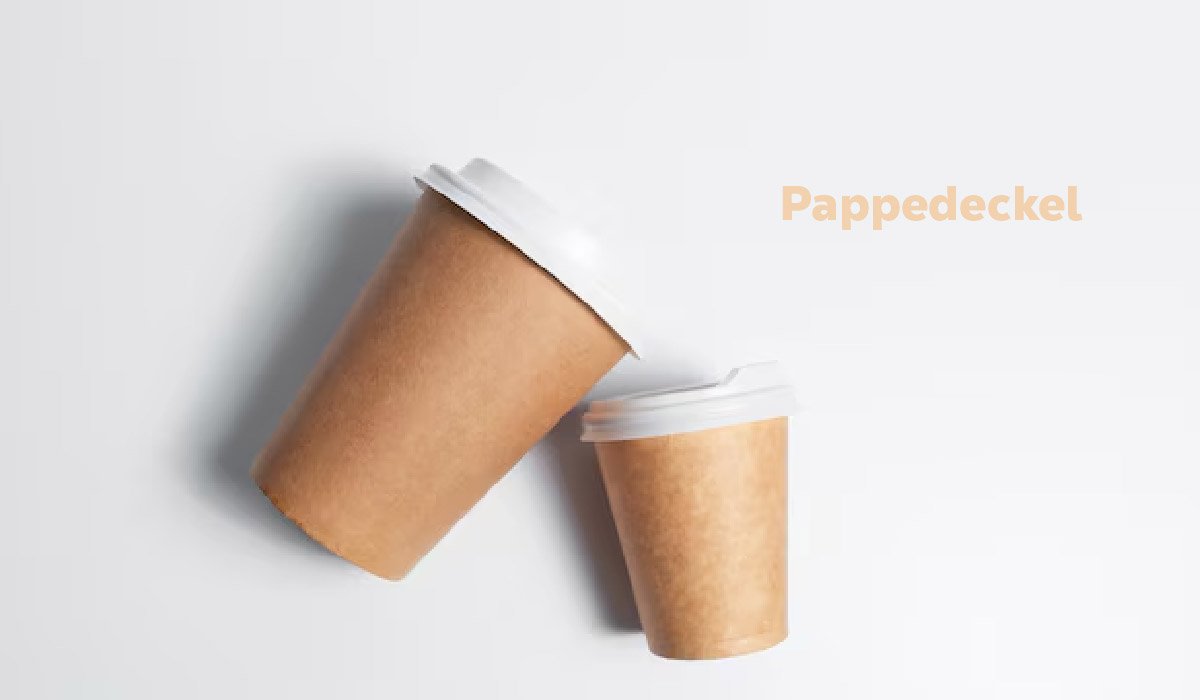
From beer mats to takeaway coffee lids, the humble Pappedeckel is transforming how we interact with food and beverages. Often overlooked, this simple cardboard lid serves not only a functional purpose but also stands as a powerful symbol of eco-conscious innovation. Whether shielding hot coffee, serving as a beer mat in a German pub, or covering takeout soup containers, the Pappedeckel merges tradition with sustainability. In a world grappling with plastic pollution and packaging waste, the Pappedeckel offers a low-cost, biodegradable, and recyclable alternative that serves millions daily. This informative guide dives into the origins, materials, types, benefits, and future of the Pappe deckel, revealing how this quiet hero of packaging may hold the key to greener consumer habits.
What Is a Pappedeckel?
The term “Pappedeckel” derives from German, with “Pappe” meaning cardboard and “Deckel” translating to lid or cover. Put together, it literally means “cardboard lid” or “paper cover.” Despite the simplicity of the name, its applications are broad and essential. A Pappedeckel can be a flat circular mat that absorbs condensation under beer mugs or a domed, sip-hole lid that secures your morning coffee. It’s also used as a sealing solution for takeaway food containers, preventing contamination and keeping contents fresh. What unites these applications is their reliance on pressed paperboard or cardboard that can be molded, printed, and often composted, offering both convenience and sustainability.
A Brief History of the Pappedeckel
Long before the coffee-to-go culture, people sought ways to preserve food and keep beverages clean during consumption. In early history, materials like cloth, leaves, or parchment were used to cover or wrap food. As papermaking spread to Europe in the Middle Ages, heavier forms of paperboard emerged, evolving into the first iterations of the Pappe deckel. By the 19th century, during the Industrial Revolution, mass production of cardboard revolutionized packaging.
In the 1880s, Germany saw the invention of the beer coaster—arguably the first formal Pappe deckel—used in pubs to prevent spills and absorb moisture. Post-World War periods witnessed a surge in coffee culture, and with that, cardboard lids became a takeaway essential. Today, Pappedeckel stands at the crossroads of historical necessity and modern sustainability.
Different Types of Pappedeckel and Their Uses
Pappedeckel comes in several formats, each tailored for specific use-cases. Flat cardboard coffee cup lids are perhaps the most recognized. These are used to cover small takeaway cups and often feature a sip hole. Dome-shaped lids, on the other hand, are perfect for drinks topped with cream or froth. Another widely seen variation is the beer mat—a thicker, absorbent disk placed under beer glasses to protect tabletops. Takeaway food covers, including those for soups, sauces, and salads, are also part of the Pappe deckel family. These often come with locking mechanisms or fit snugly over container rims. Businesses also use custom Pappe deckel to print branding, logos, or even QR codes for digital engagement.
Materials Used in Making Pappedeckel
Traditionally made from pressed cardboard or recycled paperboard, the modern Pappedeckel benefits from various material innovations. Standard materials include thick, biodegradable paper pulp formed into lids through compression molds. Recycled paperboard is popular for its eco-credentials and cost-effectiveness. For additional performance, coatings like water-based barriers or plant-based compostable linings can be added. Newer innovations involve compostable fibers such as sugarcane bagasse or PLA bioplastics that maintain structural integrity while being safe for composting. The choice of material directly impacts the product’s heat resistance, water resistance, and sustainability profile.
Environmental Benefits of Pappedeckel
Pappedeckel clearly outshines plastic in its ecological footprint. While plastic lids can take hundreds of years to degrade and often leave behind harmful microplastics, paperboard decomposes quickly and naturally. Moreover, most Pappe deckel variants are recyclable and compostable, especially if free from synthetic coatings. They are also typically made from renewable resources like trees or recycled paper. Compared to plastic or metal alternatives, the energy required for manufacturing Pappe deckel is significantly lower, resulting in reduced CO₂ emissions. This low-impact lifecycle makes it a key player in sustainable packaging and a promoter of the circular economy.
Pappedeckel in Coffee Culture
In the age of on-the-go lifestyles, the Pappedeckel is indispensable in global coffee culture. It keeps your drink warm, prevents spills, and offers a surface for branding or messages. For baristas and customers alike, the paper lid is a trusted companion. Importantly, it has emerged as a safer alternative to plastic coffee lids, which can leach chemicals when exposed to heat. Some Pappedeckel are now designed with ergonomics in mind—offering better sip designs, insulation layers, and even reusable variants. This seamless integration into daily routines highlights its quiet yet significant role in consumer culture.
Branding and Customization Opportunities
The flat surface of a Pappedeckel offers a prime real estate for businesses looking to market creatively. Coffee shops, breweries, and takeout chains often print their logos, slogans, or promotions on Pappedeckel, turning every sip into a branding opportunity. QR codes linking to digital menus or loyalty programs are becoming more common. Seasonal themes—such as holiday greetings or limited-edition art—can also be used to enhance customer engagement. Unlike plastic, cardboard offers superior print quality and design flexibility, making it ideal for creative marketing while staying eco-conscious.
Creative and Household Uses of Pappedeckel
Beyond commercial use, Pappedeckel finds surprising versatility in households. DIY enthusiasts turn them into coasters, labels, or even mini canvases for kids’ art projects. Gardeners use them as biodegradable seedling guards or weed blockers. Event planners repurpose decorative Pappe deckel for place settings or eco-themed decorations. Their durable, compostable nature makes them excellent materials for temporary storage lids or even small serving trays. This reuse potential adds value long after the food or beverage is consumed.
Manufacturing Process of Pappedeckel
The process of making Pappedeckel is relatively straightforward but involves critical steps to ensure quality. It begins with collecting raw or recycled paper pulp, which is then processed into sheets. These sheets are pressed into specific shapes using molds and sometimes treated with water-resistant or biodegradable coatings. After forming, they go through cutting, stamping, and branding stages. Quality control is conducted to ensure they meet hygiene and strength standards before packaging for distribution. Sustainable factories often utilize water-saving techniques and renewable energy to enhance environmental performance.
Challenges and Limitations
Despite its benefits, Pappedeckel does face challenges. It can become soggy if not properly coated, especially with hot liquids. Its durability in humid or wet environments is lower than that of plastic. Additionally, not all coated variants are compostable in home settings; some require industrial composting facilities. From a cost perspective, Pappe deckel can be marginally more expensive than plastic lids in certain markets, though this is offset by their sustainability advantages. Consumer education on proper disposal is also necessary to maximize ecological benefits.
Comparison: Pappe deckel vs Other Lid Materials
| Feature | Pappedeckel | Plastic Lids | Metal Lids |
|---|---|---|---|
| Material | Cardboard/Paperboard | Petroleum-based Plastic | Aluminum/Steel |
| Eco-Friendly | ✅ Biodegradable | ❌ Non-biodegradable | ♻ Recyclable |
| Cost in Bulk | Affordable | Cheapest | Expensive |
| Branding | High Print Quality | Limited Options | Requires Engraving |
| Safety | No Chemicals | Microplastic Risk | Safe but Costly |
| Best Use Case | Coffee, Food Covers | Mass-market drinks | Premium Canned Goods |
Future Innovations in Pappedeckel
The next generation of Pappedeckel is already in development. Smart lids with temperature-sensitive indicators or mood-based color changes are being explored. Fully compostable coatings made from edible films or bio-based resins are reducing the need for industrial facilities. Some producers are experimenting with NFC chips and QR codes embedded into the lids for digital interaction. These innovations not only enhance user experience but also align with the global push toward zero-waste packaging solutions. As regulatory and consumer pressure mount, such breakthroughs will be essential to maintaining relevance.
Business Tips for Adopting Pappedeckel
Companies looking to transition to Pappedeckel should start by sourcing from local or regional eco-conscious suppliers. Custom branding should be leveraged as a marketing tool, turning every lid into a mini-billboard. Educating staff and customers on the environmental benefits can boost adoption rates. Combining Pappe deckel with other green packaging options (like compostable cutlery or containers) creates a cohesive sustainability message that resonates with conscious consumers. Cost management strategies may include bulk purchasing or supplier partnerships.
Real-World Case Studies
In Germany, breweries continue to lead in Pappedeckel innovation, treating beer mats as collectible art and powerful brand symbols. Across Europe, cafés like those in the Netherlands and Scandinavia are replacing plastic lids with biodegradable Pappe deckel to align with eco-policies. At outdoor festivals, vendors use printed Pappe deckel for both lids and coasters, combining function and advertising in one sustainable item. These real-world examples illustrate how versatile and impactful Pappe deckel can be.
Conclusion
The Pappedeckel might seem insignificant at first glance, but its cultural and environmental value is undeniable. As businesses and individuals shift away from single-use plastics, the demand for biodegradable, functional, and customizable alternatives is higher than ever. The Pappe deckel, with its long history and future-focused innovations, stands as a practical solution that blends simplicity with sustainability. It proves that small changes in how we package and consume can lead to meaningful impacts for our planet. It’s time we give the Pappe deckel the recognition it deserves—not just as a lid, but as a symbol of responsible progress.
FAQs About Pappedeckel
1. What is a Pappedeckel?
A Pappedeckel is a cardboard or paper lid used to cover cups, food containers, or as a coaster for drinks. It helps prevent spills, keeps beverages warm, and protects food from dust or contamination. It is biodegradable and often used as an eco-friendly alternative to plastic lids.
2. What are Pappedeckel made of?
Pappedeckel are usually made from pressed cardboard, recycled paperboard, or biodegradable fibers. Some versions include eco-friendly coatings to make them water- or heat-resistant, while still remaining compostable or recyclable.
3. Are Pappedeckel eco-friendly?
Yes, Pappedeckel are eco-friendly. They break down naturally, reduce plastic waste, and are made from renewable or recycled materials. Many are compostable and recyclable, making them a sustainable choice for food and beverage packaging.
4. Where are Pappedeckel commonly used?
Pappedeckel are used in cafés, restaurants, food trucks, and pubs. They serve as coffee cup lids, beer mats, soup container covers, and takeaway food protectors. They’re also used in homes for crafts, gardening, and eco-friendly storage.
5. Can Pappedeckel be customized for branding?
Yes, businesses often customize Pappedeckel by printing their logo, slogan, or QR codes on them. Custom-printed Pappedeckel help with marketing while promoting a sustainable image.
For More Information, Visit Coopermagazine

How to Make Your Money Work Around an Irregular Income

A Complete Guide To Professional Teeth Whitening Treatments

How to Evaluate a Luxury Watch Before Buying: Materials, Movement, Fit, and Long-Term Value

Why So Many UK Businesses Are Still Overpaying for Energy in 2026

Luxury Smelling Local Perfume Brands from Dubai to Try

Why B2B website projects break when branding and development are split

Business Coach Calgary: Why Every Growing Company Eventually Needs One

The Biggest Negotiation Mistakes Motorcycle Sellers Make

Teachersgram First Day Collection: Unique Teacher Apparel for Every Educator

How CherryKitten Helps You Express Your Unique Style

Who Is Jennifer Rauchet?: All You Need To Know About Pete Hegseth’s Wife

Who Is Mindy Jennings?: All You Need To Know About Ken Jennings Wife

Who Is Klarissa Munz: The Untold Story of Freddie Highmore’s Wife

Who Is Mallory Plotnik?: The Untold Story of Phil Wickham’s Wife

Who Is Enrica Cenzatti?: The Untold Story of Andrea Bocelli’s Ex-Wife

Can Anything Be Done About the Skyrocketing Prices of Essential Medicines?

Meet Christina Erika Carandini Lee?: All You Need To Know Christopher Lee’s Daughter

Who Is Jasmine Gong?: The Life and Legacy of Brad Williams Wife

Who Is Allison Butler?: The Life and Influence of Kirk Herbstreit Wife

Who Is Terrance Michael Murphy?: Everything about Audie Murphy’s Son
How to Make Your Money Work Around an Irregular Income
A Complete Guide To Professional Teeth Whitening Treatments
How to Evaluate a Luxury Watch Before Buying: Materials, Movement, Fit, and Long-Term Value
Why So Many UK Businesses Are Still Overpaying for Energy in 2026
Luxury Smelling Local Perfume Brands from Dubai to Try
Why B2B website projects break when branding and development are split
Business Coach Calgary: Why Every Growing Company Eventually Needs One
The Biggest Negotiation Mistakes Motorcycle Sellers Make
Teachersgram First Day Collection: Unique Teacher Apparel for Every Educator
How CherryKitten Helps You Express Your Unique Style

 Celebrity2 years ago
Who Is Jennifer Rauchet?: All You Need To Know About Pete Hegseth’s Wife
- Celebrity2 years ago
Who Is Mindy Jennings?: All You Need To Know About Ken Jennings Wife
- Celebrity2 years ago
Who Is Klarissa Munz: The Untold Story of Freddie Highmore’s Wife
- Celebrity2 years ago
Who Is Mallory Plotnik?: The Untold Story of Phil Wickham’s Wife