Tech
A Beginner’s Guide to Safe Metal Cutting

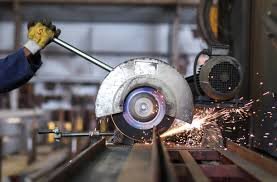
Metal cutting is a valuable skill for a variety of fabrication and construction projects. Whether you’re working on a home improvement task, repairing equipment, or starting a new hobby, it’s important to approach this work with both precision and caution. Safety and technique should be top priorities for any cutting job, especially for beginners. The type of metal, the right tools, and the correct safety measures all influence your results. Learning these basics will help you get started with confidence.
Know Your Materials
Before choosing a tool, you must understand the properties of the metal you are cutting. Metals vary significantly: steel is tough and durable, while aluminum and copper are softer and more pliable. These characteristics dictate your cutting speed, tool choice, and heat management. If you are working on outdoor structures or machinery, you may encounter weather-resistant alloys that respond differently to temperature and elevation. Identifying your material correctly ensures a cleaner cut and prevents tool damage. Note that some high-strength metals require specialized equipment that beginners should only operate with proper training or supervision.
Choose the Right Tools for the Job
There are several tools commonly used in metal cutting, each suited for different materials and thicknesses. Some of the most beginner-friendly options include:
- Hacksaws – Ideal for thin metal sheets or small tasks.
- Tin snips – Best for cutting softer metals like aluminum.
- Angle grinders – Useful for larger cuts and more durable metals.
- Cut-off saws or metal chop saws – Excellent for making straight cuts quickly.
Whatever tool you choose, ensure it’s rated for metal cutting. Using the wrong blade or disc can be dangerous and lead to poor-quality cuts. Metal cutting in Utah often requires efficient, reliable equipment that can handle high-altitude conditions and temperature changes. For both residential and industrial use, choosing the right tool for your environment can improve safety and extend tool life.
Always Prioritize Safety
One of the most important aspects of metal cutting is safety. Sharp edges, flying sparks, and hot surfaces are all part of the process. To protect yourself, always follow these safety guidelines:
- Wear safety goggles to shield your eyes from debris.
- Use gloves designed for metal work to protect your hands.
- Wear ear protection if using loud tools like grinders or saws.
- Use long sleeves and closed-toe shoes to minimize exposure to hot sparks.
- Work in a well-ventilated area to avoid inhaling dust or fumes.
- Clamp down your material to prevent slipping during cutting.
Taking these precautions creates a safer working environment and helps reduce the risk of injury, especially for those new to metal cutting.
Create a Clean and Organized Workspace
A cluttered or unstable workspace is a leading cause of accidents. Ensure your work surface is clean, flat, and secure by removing any unnecessary objects. Organizing your tools and materials before you begin streamlines the process and minimizes distractions, helping you stay focused on safety and precision. Since weather can be unpredictable, a dry, enclosed space like a garage or shed is ideal. This protects both you and your tools from moisture and cold, ensuring a safer and more comfortable environment for metalwork.
Practice Makes Progress
Mastering metal cutting takes time, and it’s normal if your first few attempts aren’t perfect. Start by practicing on scrap pieces to get a feel for the tool’s weight, vibration, and speed. This helps you develop a steady hand and teaches you how much pressure and speed to apply for the best results. As you gain experience, you’ll learn how different materials respond and which techniques yield the cleanest cuts. Tracking your progress through notes or photos can be a helpful way to see your improvement. For those just starting out, local workshops or community classes are excellent resources for hands-on experience and professional safety training.
Maintenance and Clean-Up
After you finish cutting, clean the area thoroughly. Loose metal shavings and debris can be hazardous. Sweep the floor, dispose of scrap material, and inspect your tools for wear and tear. Proper tool maintenance is crucial—dull blades or worn discs can lead to uneven cuts or dangerous kickbacks. Regular upkeep keeps your tools safe and extends their lifespan.
Conclusion
Metal cutting is a rewarding skill that opens doors to everything from DIY repairs to custom fabrication. For beginners, the focus should be on gradual learning, respecting safety protocols, and matching the right tools to the specific material. Whether you are working on a home project or starting a new trade, mastering proper techniques ensures safer, more efficient results. A strong foundation in these methods prepares you for the technical demands of metalworking and helps you navigate the unique challenges of the craft.

How to Challenge an Idea Without Losing Your Essay Argument

Who Can Be Held Liable for a Semi-Truck Accident?

How to Build a Case After a Slip and Fall in a Restaurant

A Resident’s Guidee Workers’ to the ChesapeakCompensation Hearing Office: What to Expect

What Does the Illinois Wrongful Death Act Cover? A Guide for Families

How To File For Divorce In California: A Practical Guide From A Family Law Attorney

How Estate Planning Differs From A Simple Will

Revolutionizing Fashion Retail: The Technical Shift to 3D Virtual Try-Ons

Entertaining Clients in London: How to Get It Right

Protecting Birmingham Businesses From Digital Threats

Who Is Jennifer Rauchet?: All You Need To Know About Pete Hegseth’s Wife

Who Is Mindy Jennings?: All You Need To Know About Ken Jennings Wife

Who Is Klarissa Munz: The Untold Story of Freddie Highmore’s Wife

Who Is Mallory Plotnik?: The Untold Story of Phil Wickham’s Wife

Can Anything Be Done About the Skyrocketing Prices of Essential Medicines?

Who Is Enrica Cenzatti?: The Untold Story of Andrea Bocelli’s Ex-Wife

Meet Christina Erika Carandini Lee?: All You Need To Know Christopher Lee’s Daughter

Who Is Jasmine Gong?: The Life and Legacy of Brad Williams Wife

Who Is Allison Butler?: The Life and Influence of Kirk Herbstreit Wife

Who Is Terrance Michael Murphy?: Everything about Audie Murphy’s Son
How to Challenge an Idea Without Losing Your Essay Argument
Who Can Be Held Liable for a Semi-Truck Accident?
How to Build a Case After a Slip and Fall in a Restaurant
A Resident’s Guidee Workers’ to the ChesapeakCompensation Hearing Office: What to Expect
What Does the Illinois Wrongful Death Act Cover? A Guide for Families
How To File For Divorce In California: A Practical Guide From A Family Law Attorney
How Estate Planning Differs From A Simple Will
Revolutionizing Fashion Retail: The Technical Shift to 3D Virtual Try-Ons
Entertaining Clients in London: How to Get It Right
Protecting Birmingham Businesses From Digital Threats

 Celebrity2 years ago
Who Is Jennifer Rauchet?: All You Need To Know About Pete Hegseth’s Wife
- Celebrity2 years ago
Who Is Mindy Jennings?: All You Need To Know About Ken Jennings Wife
- Celebrity2 years ago
Who Is Klarissa Munz: The Untold Story of Freddie Highmore’s Wife
- Celebrity2 years ago
Who Is Mallory Plotnik?: The Untold Story of Phil Wickham’s Wife