Tech
Planning Exterior Improvements for Educational Buildings

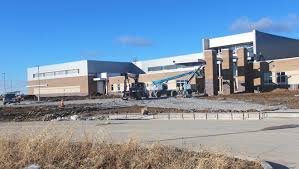
The exterior of an educational building does far more than just provide shelter; it sets the tone for the learning environment within. A well-maintained, aesthetically pleasing campus fosters a sense of pride among students, staff, and the community. However, beyond the visual appeal, the physical envelope of a school—comprising the roof, walls, windows, and grounds—plays a critical role in the safety, energy efficiency, and operational costs of the institution.
As educational facilities age, deferred maintenance can lead to compounding issues, from water intrusion to poor thermal regulation. Planning exterior improvements requires a strategic approach that balances immediate repair needs with long-term sustainability goals. Whether you are a facility manager for a university or a school board member for a K-12 district, understanding where to focus your resources is the first step toward a successful renovation project.
1. Prioritize Roofing Durability and Performance
The roof is arguably the most critical component of any building envelope. In educational facilities, where budgets are often tight and disruptions to the academic calendar must be minimized, a failing roof can be a catastrophic liability. Leaks not only damage interior assets like technology and books but can also lead to mold growth, creating health hazards for students.
When planning improvements, assess the lifespan of current materials. While traditional flat roofs are common, they often require frequent maintenance. Many institutions are now moving toward pitched solutions or more durable materials that offer longevity and weather resistance. For schools situated in areas with distinct four-season weather, selecting the right material is vital for temperature control and snow load management. For instance, utilizing high-quality metal roof panels in Michigan allows administrators to combat heavy snowfall and ice damming effectively, ensuring the building remains watertight and efficient throughout the harsh winter months.
2. Upgrade Windows and Doors for Energy Efficiency
According to the U.S. Department of Energy, heat gain and heat loss through windows are responsible for 25%–30% of residential heating and cooling energy use, and these figures are often higher for older institutional buildings with single-pane glass. Replacing aging windows and doors is one of the most impactful upgrades an educational facility can undertake.
Modern, energy-efficient windows with low-emissivity (Low-E) coatings and insulated frames can drastically reduce HVAC loads. This not only lowers utility bills—freeing up funds for educational programs—but also improves thermal comfort in classrooms. A comfortable temperature is directly linked to better student concentration and performance. Furthermore, upgrading entryways enhances security. Modern doors equipped with advanced locking mechanisms and impact-resistant glass provide a necessary layer of protection for the campus.
3. Improve Accessibility and Circulation
An inclusive educational environment starts at the curb. Exterior improvements provide the perfect opportunity to audit and upgrade the campus for accessibility, ensuring compliance with the Americans with Disabilities Act (ADA). This goes beyond simply having a ramp; it involves looking at the holistic flow of pedestrian traffic.
Inspect sidewalks for cracks or upheavals caused by tree roots, which can pose tripping hazards. widen pathways to accommodate peak traffic times during class changes. Ensure that ramps are not only functional but integrated into the landscape design so they don’t feel like an afterthought. Additionally, clear signage is a crucial part of the exterior. well-placed, high-visibility wayfinding signs help visitors, emergency responders, and new students navigate the campus efficiently, reducing confusion and congestion.
4. Enhance Security with Modern Lighting
As days get shorter in the winter months, students and staff often find themselves on campus after dark. Poorly lit exteriors can create safety vulnerabilities and encourage vandalism. upgrading outdoor lighting is a cost-effective improvement that yields immediate safety benefits.
Transitioning to LED lighting is the standard for modern educational facilities. LEDs provide a brighter, more natural light that improves visibility for pedestrians and security cameras alike. They are also significantly cheaper to operate and maintain than traditional sodium-vapor or halide bulbs. When planning, focus on key areas such as parking lots, building perimeters, and walkways. Motion-sensor lights can also be installed in low-traffic service areas to deter unauthorized access while conserving energy.
5. Address Landscaping and Water Management
Landscaping is often viewed purely as an aesthetic element, but it plays a significant functional role in preserving the building’s exterior. Overgrown vegetation can trap moisture against masonry, leading to deterioration, while large tree limbs overhanging roofs pose a risk during storms.
A comprehensive exterior plan should include managing the flow of water away from the building foundation. Poor drainage is a leading cause of structural instability and basement flooding. Installing rain gardens or bioswales can help manage stormwater runoff sustainably, serving as both a functional infrastructure improvement and an educational tool for students studying ecology. ensuring that gutters and downspouts are properly sized and directed away from pedestrian areas is also essential to prevent icing in the winter.
6. Refreshing Facades for Modern Appeal
Finally, the visual condition of the building’s skin affects community perception. A dilapidated exterior can signal neglect, while a fresh, modern façade suggests innovation and care. This doesn’t always require a total reconstruction.
Cleaning masonry, repointing brickwork, or applying new siding can transform the look of a building. In some cases, adding architectural elements like sunshades can modernize the appearance while serving the dual purpose of reducing solar heat gain. When choosing colors and materials, consider how they blend with the surrounding neighborhood and the institution’s branding, creating a cohesive and welcoming visual identity.
Investing in the exterior of educational buildings is an investment in the future of the students who occupy them. By focusing on critical elements like roofing, energy efficiency, accessibility, and safety, administrators can create a secure, sustainable, and inspiring environment. Thoughtful planning today prevents costly emergencies tomorrow, ensuring that the facility continues to serve the community effectively for decades to come.

How to Challenge an Idea Without Losing Your Essay Argument

Who Can Be Held Liable for a Semi-Truck Accident?

How to Build a Case After a Slip and Fall in a Restaurant

A Resident’s Guidee Workers’ to the ChesapeakCompensation Hearing Office: What to Expect

What Does the Illinois Wrongful Death Act Cover? A Guide for Families

How To File For Divorce In California: A Practical Guide From A Family Law Attorney

How Estate Planning Differs From A Simple Will

Revolutionizing Fashion Retail: The Technical Shift to 3D Virtual Try-Ons

Entertaining Clients in London: How to Get It Right

Protecting Birmingham Businesses From Digital Threats

Who Is Jennifer Rauchet?: All You Need To Know About Pete Hegseth’s Wife

Who Is Mindy Jennings?: All You Need To Know About Ken Jennings Wife

Who Is Klarissa Munz: The Untold Story of Freddie Highmore’s Wife

Who Is Mallory Plotnik?: The Untold Story of Phil Wickham’s Wife

Can Anything Be Done About the Skyrocketing Prices of Essential Medicines?

Who Is Enrica Cenzatti?: The Untold Story of Andrea Bocelli’s Ex-Wife

Meet Christina Erika Carandini Lee?: All You Need To Know Christopher Lee’s Daughter

Who Is Jasmine Gong?: The Life and Legacy of Brad Williams Wife

Who Is Allison Butler?: The Life and Influence of Kirk Herbstreit Wife

Who Is Terrance Michael Murphy?: Everything about Audie Murphy’s Son
How to Challenge an Idea Without Losing Your Essay Argument
Who Can Be Held Liable for a Semi-Truck Accident?
How to Build a Case After a Slip and Fall in a Restaurant
A Resident’s Guidee Workers’ to the ChesapeakCompensation Hearing Office: What to Expect
What Does the Illinois Wrongful Death Act Cover? A Guide for Families
How To File For Divorce In California: A Practical Guide From A Family Law Attorney
How Estate Planning Differs From A Simple Will
Revolutionizing Fashion Retail: The Technical Shift to 3D Virtual Try-Ons
Entertaining Clients in London: How to Get It Right
Protecting Birmingham Businesses From Digital Threats

 Celebrity2 years ago
Who Is Jennifer Rauchet?: All You Need To Know About Pete Hegseth’s Wife
- Celebrity2 years ago
Who Is Mindy Jennings?: All You Need To Know About Ken Jennings Wife
- Celebrity2 years ago
Who Is Klarissa Munz: The Untold Story of Freddie Highmore’s Wife
- Celebrity2 years ago
Who Is Mallory Plotnik?: The Untold Story of Phil Wickham’s Wife