Technology
Preventive Car Maintenance Habits That Save You Money

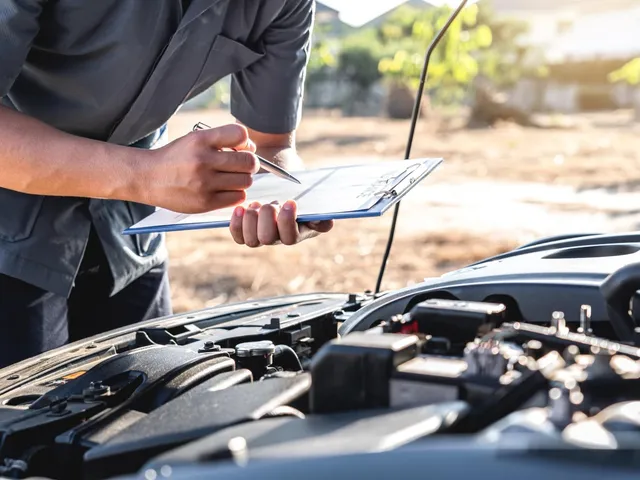
Owning a car is expensive. Between monthly payments, insurance premiums, and fueling up at the pump, it feels like your vehicle is constantly draining your bank account. But the biggest financial shocks often come from unexpected repairs—the kind that leave you stranded on the side of the road waiting for a tow truck, dreading the mechanic’s bill.
Check and Change Your Oil Regularly
Oil is the lifeblood of your engine. It lubricates thousands of moving parts, reduces friction, and helps dissipate heat. Over time, however, engine oil breaks down. It collects dirt, debris, and metal shavings, turning from a smooth golden liquid into a thick, sludge-like substance.
When you neglect oil changes, your engine has to work harder to perform. This increased friction leads to overheating and accelerated wear on vital components. In extreme cases, old oil can cause the engine to seize completely, leaving you with a repair bill that could easily exceed the value of the car itself.
Consult your owner’s manual for the manufacturer’s recommended service intervals. While the old “every 3,000 miles” rule is outdated for many modern vehicles using synthetic oil, you shouldn’t push it too far. Checking your oil level is a simple task you can do at the gas station. Pull out the dipstick, wipe it clean, reinsert it, and pull it out again. If the level is low or the oil looks black and gritty, it’s time for a change. Regular changes ensure your engine runs efficiently, which also helps you get better gas mileage.
Inspect and Rotate Your Tires
Your tires are the only point of contact between your vehicle and the road, making them critical for safety and fuel efficiency. Tires rarely wear down evenly on their own. Front tires often carry more weight (due to the engine) and handle all the steering, causing the edges to wear faster than the rear tires.
Regular rotation balances this wear, extending the lifespan of your set. If you don’t rotate them, you may find yourself replacing tires in pairs much sooner than expected. Furthermore, under-inflated tires increase rolling resistance, which forces your engine to burn more fuel to move the car.
Make it a habit to visually inspect your tires once a month. Look for:
- Tread depth: Use the “penny test” or a depth gauge to ensure you have enough traction.
- Uneven wear patterns: This could indicate alignment issues or suspension problems.
- Air pressure: Check this when the tires are cold for the most accurate reading.
Keeping your tires properly inflated and rotated doesn’t just save you the cost of a new set; it can improve your gas mileage by up to 3%, keeping more cash in your pocket every time you fill up.
Test Your Battery
There are few things more frustrating than turning your key and hearing nothing but a clicking sound. Car batteries have a limited lifespan—typically three to five years—but extreme temperatures can shorten that significantly. Heat accelerates internal corrosion, while cold weather forces the battery to work harder to start the engine.
You don’t have to wait for your car to die to know your battery is failing. Visual inspections can reveal corrosion around the terminals (a white or blue powdery substance), which can inhibit the flow of electricity. Cleaning this off with a wire brush and a mixture of baking soda and water can improve the connection.
Additionally, most auto parts stores will test your battery voltage for free. If your battery is showing signs of weakness, replacing it proactively is far cheaper and more convenient than paying for an emergency tow or a roadside assistance call when you’re late for work.
Check Your Windshields
We often ignore the glass around us until we can’t see through it. However, your windshield contributes significantly to the structural integrity of your vehicle’s cabin. A small chip might seem like a cosmetic annoyance, but it can quickly escalate into a major safety hazard.
Temperature fluctuations—like blasting the defroster on a freezing morning—can cause a tiny chip to spread into a massive spiderweb crack across your line of sight. Once a crack expands, the structural integrity of the glass is compromised.
Addressing a small chip is a quick, inexpensive repair that is often fully covered by insurance policies with no deductible. However, if you let the damage spread, you will eventually require a full windshield replacement, such as those offered in Tooele. This is a much more complex and costly procedure, especially on modern cars equipped with sensors and cameras behind the glass that need recalibration. Inspect your glass regularly for pitting or chips, and fix them before they grow.
Check Your Fluids
While oil gets all the attention, your vehicle relies on a complex cocktail of other fluids to function. Neglecting these can lead to system failures that are just as expensive as a blown engine.
- Coolant (Antifreeze): This regulates your engine’s temperature. Old coolant can become acidic, eating away at gaskets and seals, potentially leading to a blown head gasket.
- Transmission Fluid: This lubricates the gears in your transmission. If it gets low or burnt, you risk transmission failure, which is one of the most expensive repairs on a vehicle.
- Brake Fluid: This hydraulic fluid transfers the force of your foot to the brakes. Over time, it absorbs moisture from the air, which lowers its boiling point and can lead to brake fade or internal corrosion of the brake lines.
- Power Steering Fluid: Low levels can damage the power steering pump and make the steering wheel difficult to turn.
You don’t need to be a mechanic to check these. Most reservoirs in the engine bay are translucent with “min” and “max” fill lines. A glance under the hood once a month can alert you to leaks or low levels before components start grinding against each other.
Inspect Your Brakes
Brakes are a wear-and-tear item; they are designed to degrade over time. However, how you let them degrade determines the cost of the repair. Brake pads have a built-in wear indicator—a small metal tab that scrapes against the rotor when the pad gets too thin, creating a high-pitched squeal.
If you hear this noise, it is your car begging for maintenance. If you replace the pads immediately, the repair is relatively affordable.
If you ignore the noise, the pads will eventually wear down to the metal backing plate. When you hit the brakes, you will hear a terrible grinding sound as metal digs into metal. This destroys the rotors (the discs the pads clamp onto) and can damage the calipers. Suddenly, a routine maintenance job turns into a complete brake system overhaul. Listen to your car, and don’t turn up the radio to drown out the noise.
Conclusion
These six habits—checking oil, tires, battery, windshields, fluids, and brakes—require very little time but offer a massive return on investment. They prevent the snowball effect where minor neglects accumulate into major mechanical failures. Start a maintenance log today, set reminders on your phone, and treat your car with the care it deserves. Your future self and your bank account will be grateful for the effort.

Who Can Be Held Liable for a Semi-Truck Accident?

How to Build a Case After a Slip and Fall in a Restaurant

A Resident’s Guidee Workers’ to the ChesapeakCompensation Hearing Office: What to Expect

What Does the Illinois Wrongful Death Act Cover? A Guide for Families

How To File For Divorce In California: A Practical Guide From A Family Law Attorney

How Estate Planning Differs From A Simple Will

Revolutionizing Fashion Retail: The Technical Shift to 3D Virtual Try-Ons

Entertaining Clients in London: How to Get It Right

Protecting Birmingham Businesses From Digital Threats

Watch Winder vs. Watch Box: What Does Your Automatic Watch Collection Actually Need?

Who Is Jennifer Rauchet?: All You Need To Know About Pete Hegseth’s Wife

Who Is Mindy Jennings?: All You Need To Know About Ken Jennings Wife

Who Is Klarissa Munz: The Untold Story of Freddie Highmore’s Wife

Who Is Mallory Plotnik?: The Untold Story of Phil Wickham’s Wife

Can Anything Be Done About the Skyrocketing Prices of Essential Medicines?

Who Is Enrica Cenzatti?: The Untold Story of Andrea Bocelli’s Ex-Wife

Meet Christina Erika Carandini Lee?: All You Need To Know Christopher Lee’s Daughter

Who Is Jasmine Gong?: The Life and Legacy of Brad Williams Wife

Who Is Allison Butler?: The Life and Influence of Kirk Herbstreit Wife

Who Is Terrance Michael Murphy?: Everything about Audie Murphy’s Son
Who Can Be Held Liable for a Semi-Truck Accident?
How to Build a Case After a Slip and Fall in a Restaurant
A Resident’s Guidee Workers’ to the ChesapeakCompensation Hearing Office: What to Expect
What Does the Illinois Wrongful Death Act Cover? A Guide for Families
How To File For Divorce In California: A Practical Guide From A Family Law Attorney
How Estate Planning Differs From A Simple Will
Revolutionizing Fashion Retail: The Technical Shift to 3D Virtual Try-Ons
Entertaining Clients in London: How to Get It Right
Protecting Birmingham Businesses From Digital Threats
Watch Winder vs. Watch Box: What Does Your Automatic Watch Collection Actually Need?

 Celebrity2 years ago
Who Is Jennifer Rauchet?: All You Need To Know About Pete Hegseth’s Wife
- Celebrity2 years ago
Who Is Mindy Jennings?: All You Need To Know About Ken Jennings Wife
- Celebrity2 years ago
Who Is Klarissa Munz: The Untold Story of Freddie Highmore’s Wife
- Celebrity2 years ago
Who Is Mallory Plotnik?: The Untold Story of Phil Wickham’s Wife