Health
When Chronic Leg Pain Is More Than a Muscle Problem

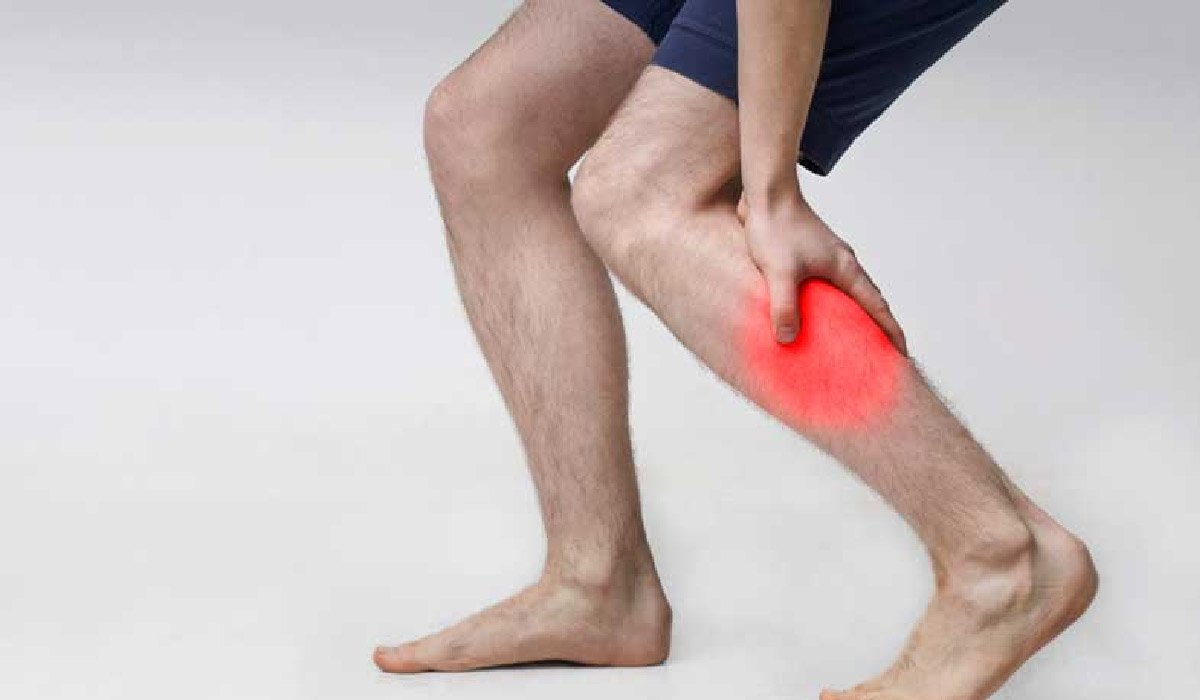
Leg pain is something most people experience at some point in their lives. A long walk, an awkward workout, or even sitting too long can leave your legs feeling sore or fatigued. In many cases, that discomfort fades with rest. But when leg pain becomes persistent—lasting weeks or months—it may be signalling something more complex than a muscle strain.
Chronic leg pain can take many forms. Some people describe a deep ache, others a burning or electric sensation. It may travel down one leg or affect both. It can interfere with sleep, limit mobility, and gradually erode quality of life. Understanding where that pain comes from is the first step toward addressing it effectively.
The Spine–Leg Connection Many People Overlook
One of the most commonly misunderstood causes of chronic leg pain is the spine.
The nerves that control sensation and strength in the legs originate in the lower back, branching out from the spinal cord through the lumbar spine. When those nerves are irritated or compressed, pain can radiate down the leg—even if the back itself doesn’t hurt very much.
This type of pain is often referred to as radicular pain or sciatica. It can feel sharp, burning, tingling, or numb, and may worsen with standing, walking, or certain movements. Sitting or leaning forward may bring temporary relief, which is often a clue that the source lies in the spine rather than the leg itself.
Common Spinal Causes of Chronic Leg Pain
Several spine-related conditions can contribute to ongoing leg pain:
Herniated or bulging discs
Discs act as cushions between the vertebrae. When a disc protrudes or ruptures, it can press on a nearby nerve root, sending pain down the leg.
Spinal stenosis
This is a narrowing of the spinal canal that places pressure on nerves, often worsening with standing or walking and improving when sitting.
Degenerative disc changes
As discs lose hydration and flexibility over time, inflammation and nerve irritation can develop, leading to leg symptoms.
Spondylolisthesis
When one vertebra slips forward over another, it can cause instability and nerve compression that radiates into the legs.
While these conditions are more common with age, they are not limited to older adults. Repetitive strain, previous injuries, genetics, and physically demanding work can all contribute.
When Leg Pain Isn’t Just “Wear and Tear”
Because leg pain can also stem from joints, muscles, circulation, or peripheral nerves, it’s easy to misattribute the cause. Knee arthritis, hip problems, or vascular conditions can mimic nerve pain, which is why careful evaluation matters.
Signs that leg pain may be nerve-related include:
- Pain that travels from the lower back into the thigh, calf, or foot
- Tingling or numbness in the leg or foot
- Muscle weakness or difficulty lifting the foot
- Pain that worsens with walking or standing
- Relief when sitting or bending forward
If these symptoms persist or progressively worsen, it’s worth seeking medical assessment rather than assuming they will resolve on their own.
Why Accurate Diagnosis Matters
Treating chronic leg pain effectively depends on understanding its true source. Without proper diagnosis, people may cycle through treatments that provide little relief—sometimes for years.
Evaluation typically starts with a detailed history and physical examination. Imaging studies such as MRI or CT scans may be used to visualise the spine and identify nerve compression. In some cases, additional testing helps determine whether symptoms are spinal or peripheral in origin.
This step is critical not only for treatment planning, but also for avoiding unnecessary procedures or prolonged discomfort.
Conservative Care Comes First for Many People
Not all spine-related leg pain requires surgery. In fact, many people improve with non-surgical approaches once the cause is clearly identified.
These may include:
- Targeted physical therapy to improve posture, strength, and spinal support
- Medications to reduce inflammation or nerve irritation
- Image-guided injections to calm irritated nerve roots
- Activity modification and ergonomic adjustments
For some individuals, these measures provide meaningful, lasting improvement. Surgery is generally considered only when symptoms persist, worsen, or begin to affect strength, balance, or daily function.
When Surgery Enters the Conversation
In cases where nerve compression is significant or progressive, surgical treatment may be recommended to relieve pressure and stabilise the spine. The goal is not simply pain reduction, but protecting nerve function and restoring mobility.
Because spine surgery is a major decision, many patients seek out educational resources to better understand their condition, treatment options, and recovery expectations. One such reference is this page on the website for Kelly Bridges Neurosurgery, which provides detailed information on spine-related causes of chronic leg pain and how they are evaluated and treated.
Access to clear, patient-focused information can make a meaningful difference in how confident someone feels when navigating complex medical decisions.
Living With Chronic Leg Pain Doesn’t Have to Be the Norm
Chronic leg pain can slowly reshape daily life—limiting movement, disrupting sleep, and making once-simple activities feel daunting. While it’s easy to normalise discomfort over time, persistent symptoms deserve attention.
Whether the cause lies in the spine or elsewhere, identifying the source opens the door to more effective treatment. For many people, that clarity alone brings relief, replacing uncertainty with a plan forward.
The most important takeaway is this: chronic leg pain isn’t something you simply have to “live with.” With proper evaluation and the right information, it’s often possible to regain comfort, function, and confidence in everyday life.

How to Challenge an Idea Without Losing Your Essay Argument

Who Can Be Held Liable for a Semi-Truck Accident?

How to Build a Case After a Slip and Fall in a Restaurant

A Resident’s Guidee Workers’ to the ChesapeakCompensation Hearing Office: What to Expect

What Does the Illinois Wrongful Death Act Cover? A Guide for Families

How To File For Divorce In California: A Practical Guide From A Family Law Attorney

How Estate Planning Differs From A Simple Will

Revolutionizing Fashion Retail: The Technical Shift to 3D Virtual Try-Ons

Entertaining Clients in London: How to Get It Right

Protecting Birmingham Businesses From Digital Threats

Who Is Jennifer Rauchet?: All You Need To Know About Pete Hegseth’s Wife

Who Is Mindy Jennings?: All You Need To Know About Ken Jennings Wife

Who Is Klarissa Munz: The Untold Story of Freddie Highmore’s Wife

Who Is Mallory Plotnik?: The Untold Story of Phil Wickham’s Wife

Can Anything Be Done About the Skyrocketing Prices of Essential Medicines?

Who Is Enrica Cenzatti?: The Untold Story of Andrea Bocelli’s Ex-Wife

Meet Christina Erika Carandini Lee?: All You Need To Know Christopher Lee’s Daughter

Who Is Jasmine Gong?: The Life and Legacy of Brad Williams Wife

Who Is Allison Butler?: The Life and Influence of Kirk Herbstreit Wife

Who Is Terrance Michael Murphy?: Everything about Audie Murphy’s Son
How to Challenge an Idea Without Losing Your Essay Argument
Who Can Be Held Liable for a Semi-Truck Accident?
How to Build a Case After a Slip and Fall in a Restaurant
A Resident’s Guidee Workers’ to the ChesapeakCompensation Hearing Office: What to Expect
What Does the Illinois Wrongful Death Act Cover? A Guide for Families
How To File For Divorce In California: A Practical Guide From A Family Law Attorney
How Estate Planning Differs From A Simple Will
Revolutionizing Fashion Retail: The Technical Shift to 3D Virtual Try-Ons
Entertaining Clients in London: How to Get It Right
Protecting Birmingham Businesses From Digital Threats

 Celebrity2 years ago
Who Is Jennifer Rauchet?: All You Need To Know About Pete Hegseth’s Wife
- Celebrity2 years ago
Who Is Mindy Jennings?: All You Need To Know About Ken Jennings Wife
- Celebrity2 years ago
Who Is Klarissa Munz: The Untold Story of Freddie Highmore’s Wife
- Celebrity2 years ago
Who Is Mallory Plotnik?: The Untold Story of Phil Wickham’s Wife