Business
Why Retail POS Still Matters In A Digital World

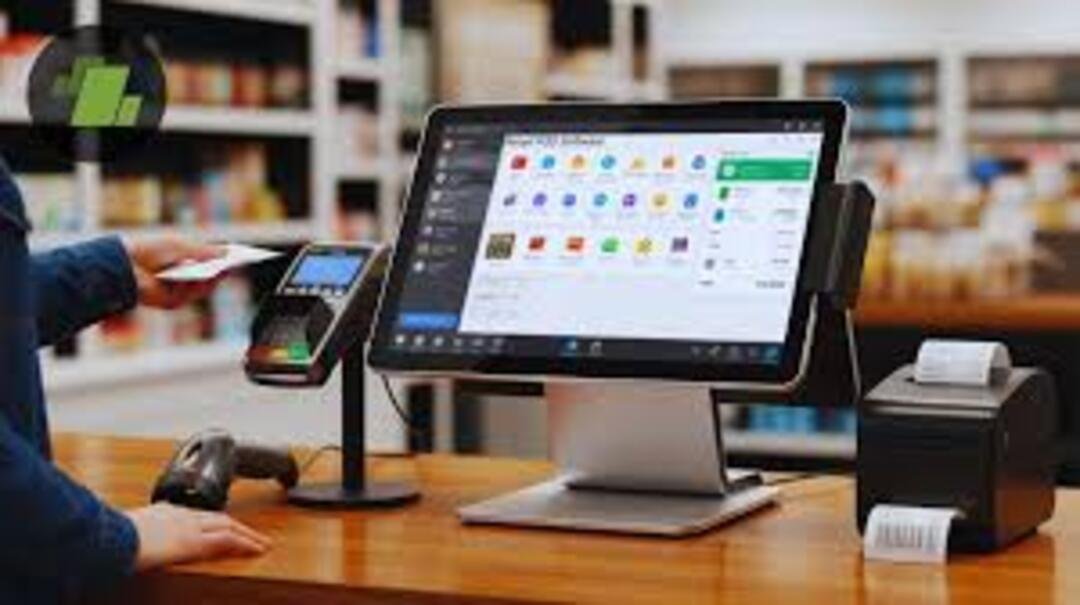
We live in an age of online shopping, next day delivery and algorithm driven recommendations. E commerce continues to grow, brands invest heavily in social media advertising, and digital touchpoints now shape much of the buyer journey. Yet despite this shift, physical retail has not disappeared. In fact, it has evolved. And at the centre of that evolution sits one powerful tool that many brands still underestimate: retail POS.
Point of sale displays are not relics of the high street’s past. They remain one of the most effective ways to influence purchasing decisions at the moment it matters most, when a customer is physically present and ready to buy.
The Physical Environment Still Drives Impulse Buying
Digital marketing can generate awareness. It can build desire. It can retarget potential customers repeatedly. But when someone walks into a store, their behaviour changes. They are in a decision making environment. They are comparing products, evaluating value and often open to spontaneous purchases.
Well designed POS displays capitalise on this mindset. They:
- Draw attention to specific products
• Highlight promotions or new launches
• Communicate benefits quickly and clearly
• Encourage impulse purchases
Research consistently shows that a significant proportion of in store purchases are unplanned. Strategic POS design can tip a neutral browsing experience into a sale. In that moment, the physical display becomes more persuasive than any online advert.
Retail Is No Longer Competing With Online, It Is Complementing It
The modern customer journey is rarely linear. A shopper might discover a product on Instagram, research it online, then encounter it again in store. When that happens, consistency matters.
Retail POS plays a key role in bridging the digital and physical experience. Strong visual storytelling, clear branding and intelligent layout reinforce what the customer has already seen online. Instead of competing with digital, physical displays amplify it.
QR codes, augmented reality elements and interactive screens can also connect POS to digital platforms. The difference today is that retail design must consider omnichannel behaviour rather than treating store displays as isolated marketing assets.
The Psychology Of Tangibility
Digital content is powerful, but it is intangible. Physical retail offers something the online world cannot fully replicate: scale, presence and spatial experience.
A customer standing in front of a well engineered floor display experiences proportion, texture and product context in real space. Lighting, material finishes and structural design all contribute to perceived value.
This is why many brands still invest heavily in high impact in store displays for product launches. A physical environment shapes perception in a way that even the most polished website cannot fully achieve.
Speed To Market Is Now Critical
One of the biggest changes in retail is speed. Trends move quickly. Campaigns are shorter. Seasonal launches are tightly scheduled.
Retail POS must now be developed efficiently, tested thoroughly and rolled out at scale without delays. This is where collaboration between brands and experienced retail design teams becomes crucial.
Many retail design agencies in Bristol and across the UK are now using advanced 3D modelling and visualisation to test concepts before manufacturing. By creating realistic digital prototypes of display units, brands can assess proportions, branding placement and shopper flow before committing to production.
This reduces risk, shortens development cycles and ensures that what arrives on the shop floor performs as intended.
Data Still Supports Physical Retail
It is easy to assume that because digital channels provide detailed analytics, physical retail is less measurable. That is no longer the case.
Retailers increasingly combine:
- Sales data
• Footfall tracking
• Heat mapping
• A B testing of display layouts
When POS design is treated as a strategic asset rather than an afterthought, it can be measured, refined and optimised. Just like a website landing page, a display can be iterated to improve performance.
Retail As Brand Theatre
In a digital world, stores are no longer just distribution points. They are brand environments. They are experiential spaces.
POS displays contribute to this theatre. They create focal points, guide the customer journey and reinforce brand positioning. For challenger brands entering competitive retail spaces, strong display design can be the difference between blending in and standing out.
A well considered retail display communicates:
- Who the brand is
• Why the product matters
• How it should be used
• What makes it different
All within seconds.
The Cost Of Getting It Wrong
Poorly designed POS does more than waste materials. It damages perception. A flimsy display suggests a low value product. An overcrowded layout creates confusion. Weak branding reduces recall.
In a crowded retail environment, attention is limited. If a display fails to communicate clearly and quickly, it is effectively invisible.
That is why forward thinking brands treat POS as part of product development rather than a last minute marketing add on. Early stage 3D design, realistic visualisation and careful engineering ensure structural integrity, manufacturability and impact.
Digital World, Physical Decisions
The retail landscape has undoubtedly changed. Consumers research more thoroughly. Online reviews influence trust. Social proof matters.
But when a customer is physically holding a product, comparing options and deciding whether to add it to their basket, physical design still plays a decisive role.
Retail POS remains one of the few marketing tools that operates at the precise point of purchase. In a digital world filled with distractions, that moment of physical presence is powerful.
Brands that recognise this do not see retail as outdated. They see it as an opportunity to combine digital awareness with physical persuasion. And when executed well, the results can be measurable, scalable and commercially significant.

Who Can Be Held Liable for a Semi-Truck Accident?

How to Build a Case After a Slip and Fall in a Restaurant

A Resident’s Guidee Workers’ to the ChesapeakCompensation Hearing Office: What to Expect

What Does the Illinois Wrongful Death Act Cover? A Guide for Families

How To File For Divorce In California: A Practical Guide From A Family Law Attorney

How Estate Planning Differs From A Simple Will

Revolutionizing Fashion Retail: The Technical Shift to 3D Virtual Try-Ons

Entertaining Clients in London: How to Get It Right

Protecting Birmingham Businesses From Digital Threats

Watch Winder vs. Watch Box: What Does Your Automatic Watch Collection Actually Need?

Who Is Jennifer Rauchet?: All You Need To Know About Pete Hegseth’s Wife

Who Is Mindy Jennings?: All You Need To Know About Ken Jennings Wife

Who Is Klarissa Munz: The Untold Story of Freddie Highmore’s Wife

Who Is Mallory Plotnik?: The Untold Story of Phil Wickham’s Wife

Can Anything Be Done About the Skyrocketing Prices of Essential Medicines?

Who Is Enrica Cenzatti?: The Untold Story of Andrea Bocelli’s Ex-Wife

Meet Christina Erika Carandini Lee?: All You Need To Know Christopher Lee’s Daughter

Who Is Jasmine Gong?: The Life and Legacy of Brad Williams Wife

Who Is Allison Butler?: The Life and Influence of Kirk Herbstreit Wife

Who Is Terrance Michael Murphy?: Everything about Audie Murphy’s Son
Who Can Be Held Liable for a Semi-Truck Accident?
How to Build a Case After a Slip and Fall in a Restaurant
A Resident’s Guidee Workers’ to the ChesapeakCompensation Hearing Office: What to Expect
What Does the Illinois Wrongful Death Act Cover? A Guide for Families
How To File For Divorce In California: A Practical Guide From A Family Law Attorney
How Estate Planning Differs From A Simple Will
Revolutionizing Fashion Retail: The Technical Shift to 3D Virtual Try-Ons
Entertaining Clients in London: How to Get It Right
Protecting Birmingham Businesses From Digital Threats
Watch Winder vs. Watch Box: What Does Your Automatic Watch Collection Actually Need?

 Celebrity2 years ago
Who Is Jennifer Rauchet?: All You Need To Know About Pete Hegseth’s Wife
- Celebrity2 years ago
Who Is Mindy Jennings?: All You Need To Know About Ken Jennings Wife
- Celebrity2 years ago
Who Is Klarissa Munz: The Untold Story of Freddie Highmore’s Wife
- Celebrity2 years ago
Who Is Mallory Plotnik?: The Untold Story of Phil Wickham’s Wife