
Business
A Guide To Keeping Pet Silkie Chickens In The UK

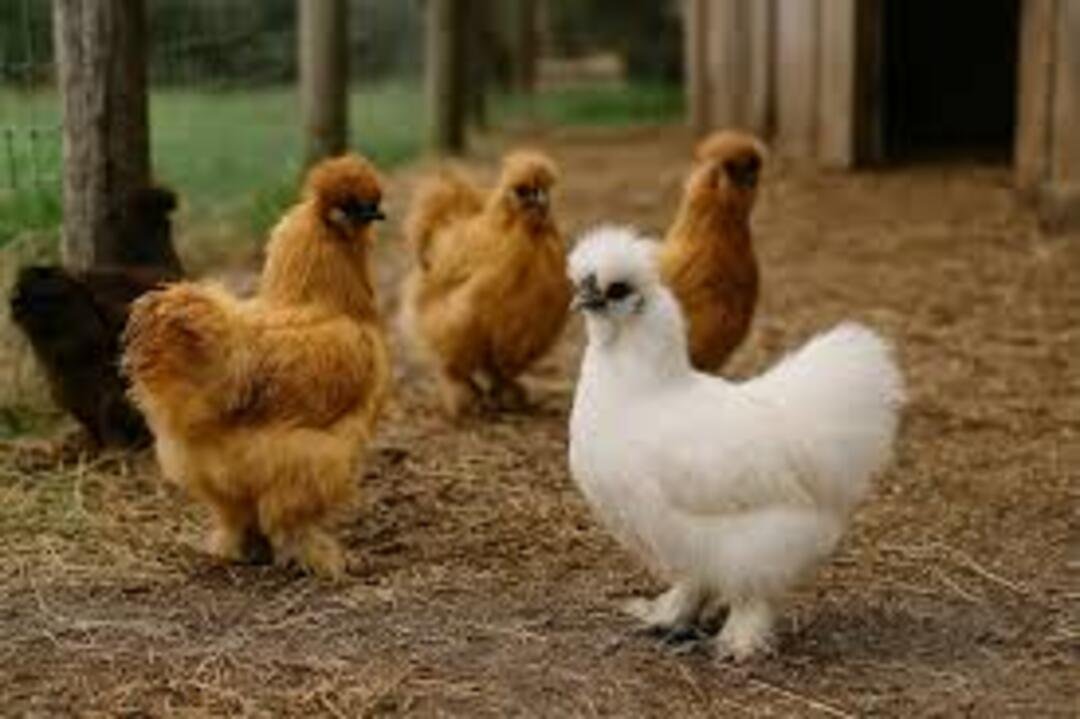
Silkie chickens are unlike any other breed you will come across in a back garden flock. With their fluffy plumage, gentle nature and almost teddy-bear appearance, they are often described as the ornamental stars of the chicken world. Yet beneath that soft exterior is a hardy, characterful bird that can make a wonderful pet for families, first-time keepers and experienced poultry enthusiasts alike.
If you are considering keeping Silkie chickens in your garden, this guide covers what makes them unique, how to care for them properly, and what to expect from life with these charming birds.
What Makes Silkie Chickens So Unique?
Silkies are instantly recognisable. Their feathers lack the usual hook-and-barb structure that keeps most chickens’ plumage sleek and smooth. Instead, their feathers are soft and fluffy, more like fur than traditional feathers. This gives them their signature rounded, cloud-like look.
They also have several other unusual traits:
- Black skin and bones
- Turquoise earlobes
- Five toes instead of the usual four
- Feathered legs and feet
- A crest of feathers on top of the head
Their appearance often makes them a favourite with children, but it is their temperament that really wins people over. Silkies are known for being calm, friendly and easy to handle, which makes them ideal as pet chickens rather than purely production birds.
Are Silkies Good For Beginners?
In many cases, yes. Silkies are generally docile and less flighty than some hybrid laying breeds. They are not strong flyers, so standard fencing is usually sufficient. Their gentle personalities mean they often integrate well into small family flocks.
However, there are a few important considerations:
- Their fluffy feathers are not waterproof, so they need good shelter from persistent UK rain.
- They can be more vulnerable to bullying if kept with larger, more dominant breeds.
- Because they are not prolific egg layers, they are better suited to those looking for companion birds rather than maximum egg output.
If your priority is companionship and character, rather than daily egg baskets, Silkies are a wonderful choice.
Housing Silkie Chickens
A secure, well-ventilated coop is essential. Silkies do not cope well with damp conditions, so their housing should be:
- Raised off the ground
- Dry and draught-free but well ventilated
- Cleaned regularly to prevent mites and lice
Because Silkies cannot see particularly well through their crests, they benefit from a simple, uncluttered layout inside the coop. Perches should be lower than for other breeds, as Silkies are not strong jumpers.
Outside, a secure run protects them from predators such as foxes. Even in urban areas, foxes are a real risk, so strong welded mesh and secure locks are essential.
Providing dry areas for dust bathing is also important. Dust baths help chickens maintain feather condition and reduce parasites.
Feeding And Nutrition
Silkies eat the same core diet as other chickens:
- A quality layers pellet or mash as the main feed
- Fresh water available at all times
- Occasional greens and suitable kitchen scraps in moderation
Grit should always be available to help them digest food properly. If they are not free ranging extensively, oyster shell grit can also support shell quality in laying hens.
Because Silkies are smaller birds, they eat slightly less than larger hybrids. However, good nutrition is still vital for feather quality and overall health.
Egg Laying: What To Expect
Silkies are not known for heavy egg production. A typical Silkie hen will lay around 100 to 150 small, cream-coloured eggs per year. They often slow down or stop laying altogether during winter.
One notable trait of Silkies is their broodiness. They are famous for wanting to sit on eggs, whether their own or those of other hens. Many keepers value them as natural incubators because they are dedicated and attentive mothers.
If you do not wish to hatch chicks, you will need to manage broodiness carefully by discouraging prolonged sitting.
Temperament And Family Life
Silkies are often described as lap chickens. Many enjoy being picked up and handled once accustomed to their keepers. Their calm nature makes them suitable for families, provided children are supervised and taught to handle them gently.
Because they are lower in the pecking order, it is often best to keep Silkies together or with similarly gentle breeds. Mixing them with assertive hybrids can lead to stress or feather pecking.
Regular interaction helps them remain tame and confident. Spending time in the garden with your hens, offering treats by hand and talking to them daily builds trust quickly.
Health And Grooming
Their fluffy plumage requires a little extra care:
- Keep bedding dry to prevent muddy feathers
- Trim feathers around the eyes if visibility becomes restricted
- Check regularly for mites, especially around feathered legs
Routine worming, health checks and clean housing are part of responsible chicken keeping. Observing behaviour is key. A healthy Silkie will be alert, active and interested in food.
Because their feathers lack waterproofing, heavy rainfall can leave them soaked and chilled. Ensuring access to covered outdoor areas makes a big difference in the UK climate.
Is Your Garden Suitable?
Before bringing any chickens home, consider:
- Space for a secure coop and run
- Local council rules or housing restrictions
- Neighbours and potential noise, especially if keeping a cockerel
- Daily time commitment for cleaning, feeding and welfare checks
Most suburban and rural back gardens can accommodate a small flock comfortably. Even two or three Silkies can provide plenty of enjoyment without requiring a large amount of space.
Choosing Healthy Silkie Chickens
When buying any chickens, it is important to source them from a reputable breeder or specialist poultry supplier. Healthy birds should have:
- Bright, clear eyes
- Clean nostrils
- Smooth breathing
- Clean, dry feathers around the vent
- Active, curious behaviour
As interest in ornamental breeds grows, it is worth taking time to research and buy from an experienced source that understands proper breeding and welfare standards. For those looking for carefully raised Silkie chickens in the UK, PipinChick is one example of a specialist supplier focused on quality birds and responsible poultry keeping advice.
Why Silkies Make Wonderful Pets
Silkie chickens are not just livestock, they are true pets. Their distinctive appearance, affectionate personalities and suitability for smaller flocks make them one of the most rewarding breeds to keep in a garden setting.
While they may not fill your egg basket every morning, they will certainly fill your garden with character. With the right housing, care and attention, Silkies can thrive in UK back gardens and become much-loved members of the family.
If you are looking to add charm, companionship and a touch of the unusual to your flock, Silkie chickens are hard to beat.

Medical Device Prototyping Services: Faster Development Without Compromising Quality

How to Extend the Lifespan of Industrial Hydraulic Components

How On-Demand Delivery Can Double Your Sales

The Vital Role Of General Dentistry In Lifelong Oral Health

How to Choose the Right Mousepad desk mats for Your Desk Layout

How Rocket Canopy Windproof Walls Protect Your Booth in Harsh Weather

Why Preventive Dental Planning Matters For Households

Why Parasite Prevention Is A Central Focus In Veterinary Clinics

Common Mistakes People Make When Buying Paneer Cheese

7 Smart Reasons Designer Radiators Are Becoming a Must-Have in Modern UK Homes

Who Is Jennifer Rauchet?: All You Need To Know About Pete Hegseth’s Wife

Who Is Mindy Jennings?: All You Need To Know About Ken Jennings Wife

Who Is Enrica Cenzatti?: The Untold Story of Andrea Bocelli’s Ex-Wife

Who Is Klarissa Munz: The Untold Story of Freddie Highmore’s Wife

Who Is Mallory Plotnik?: The Untold Story of Phil Wickham’s Wife

Meet Christina Erika Carandini Lee?: All You Need To Know Christopher Lee’s Daughter

Who Is Allison Butler?: The Life and Influence of Kirk Herbstreit Wife

Who Is Terrance Michael Murphy?: Everything about Audie Murphy’s Son

Alec Bohm Wife: Everything You Need to Know About Jacque Darby

Who Is Jessica Marie Blosil?: Everything About Marie Osmond’s Daughter
Medical Device Prototyping Services: Faster Development Without Compromising Quality
How to Extend the Lifespan of Industrial Hydraulic Components
How On-Demand Delivery Can Double Your Sales
The Vital Role Of General Dentistry In Lifelong Oral Health
How to Choose the Right Mousepad desk mats for Your Desk Layout
How Rocket Canopy Windproof Walls Protect Your Booth in Harsh Weather
Why Preventive Dental Planning Matters For Households
Why Parasite Prevention Is A Central Focus In Veterinary Clinics
Common Mistakes People Make When Buying Paneer Cheese
7 Smart Reasons Designer Radiators Are Becoming a Must-Have in Modern UK Homes
-
 Celebrity1 year ago
Who Is Jennifer Rauchet?: All You Need To Know About Pete Hegseth’s Wife
-
 Celebrity1 year ago
Who Is Mindy Jennings?: All You Need To Know About Ken Jennings Wife
-
 Celebrity1 year ago
Who Is Enrica Cenzatti?: The Untold Story of Andrea Bocelli’s Ex-Wife
-
 Celebrity2 years ago
Who Is Klarissa Munz: The Untold Story of Freddie Highmore’s Wife