
Business
Automotive AI at CES 2026: From Smart Features to Software-Defined Ecosystems

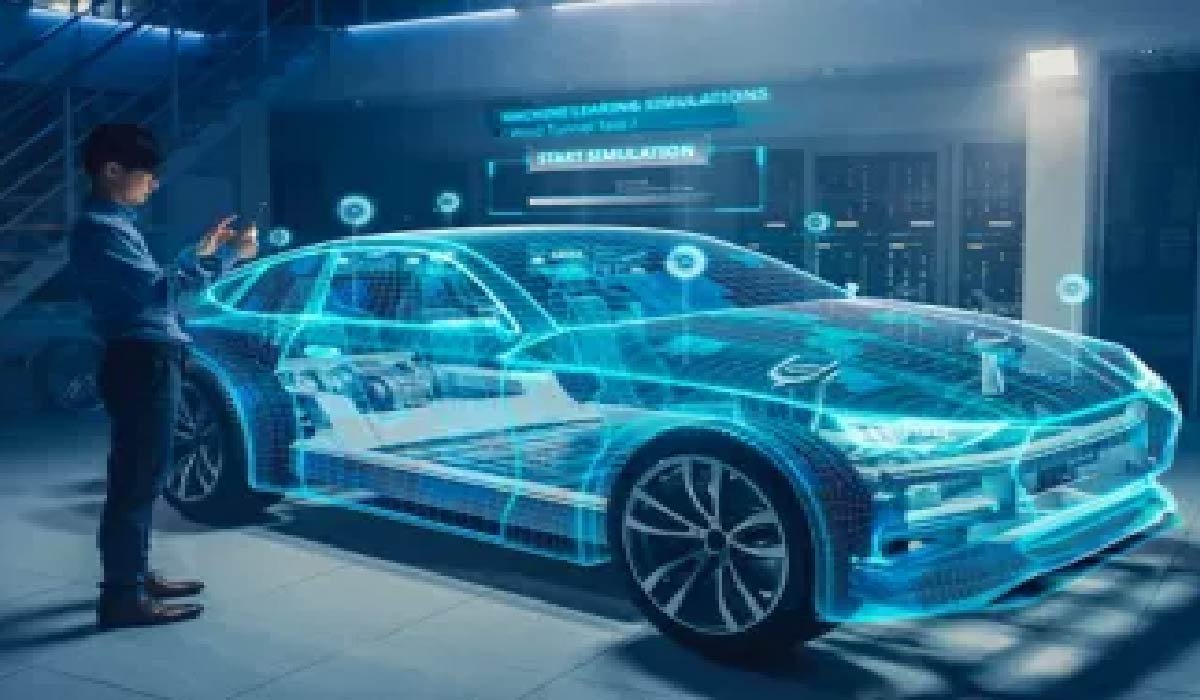
The automotive industry will find itself at a pivotal moment in Las Vegas this January, when automotive AI at CES 2026 shifts conversation beyond incorporating isolated features to vehicles. Automakers and technology partners are now unveiling comprehensive software-defined vehicle (SDV) platforms that transform cars into intelligent, adaptive computing systems on wheels.
The Software-Defined Vehicle Takes Center Stage
The industry’s challenge is clear: create SDVs that balance innovation, scalability, and affordability as development costs rise and vehicles grow more complex. At CES 2026, companies like Elektrobit will address this challenge directly, presenting strategies for reducing SDV development complexity and accelerating time-to-market.
Elektrobit plans to showcase scalable SDV cockpit solutions—from virtual low-code design tools to modular, safety-certified operating systems and ready-to-integrate hardware platforms. The company’s emphasis is on democratizing advanced technology so it reaches all market segments, not only premium models. This signals a fundamental shift in how innovation is deployed across the automotive landscape.
The SDV concept redefines traditional vehicle architecture. Instead of hardware determining a car’s capabilities for life, SDVs benefit from over-the-air updates that add features, improve performance, and enhance safety long after purchase. This mirrors the smartphone revolution, where software continuously expands device functionality.
AI Co-Pilots and Personalized Experiences
Manufacturers such as Mercedes-Benz, Hyundai, and Sony Honda Mobility will unveil vehicles equipped with next-generation AI co-pilots. These are not basic voice assistants—they are contextual, predictive systems that learn user preferences and proactively support the driver.
Expect vehicles that sync with calendars, prepare homes for arrival, and suggest stops based on traffic and personal habits. If a morning meeting appears across town, the vehicle may recommend leaving earlier, adjust cabin climate in advance, and queue preferred media.
Personalization permeates the entire driving experience. AI systems will fine-tune suspension settings based on road conditions and driving style, adjust interior lighting to match mood and time of day, and adapt the interface depending on whether the trip is a commute or a weekend getaway. These systems learn continuously, becoming more attuned to individual needs over time.
Vehicle-to-Everything Communication
One of the most transformative developments at CES 2026 will be the advancement of Vehicle-to-Everything (V2X) communication. Automakers like BMW and Ford, collaborating with major tech firms, are expected to highlight standards enabling vehicles to communicate with traffic lights, other cars, and smart homes to optimize routes, energy use, and safety.
V2X turns vehicles into nodes within an intelligent transportation grid. A car approaching an intersection may receive real-time updates from infrastructure and nearby vehicles, optimizing speed and timing. Hazards ahead can trigger alerts long before drivers can visually detect them.
Integration with the home ecosystem is equally compelling. A vehicle could trigger door locks, climate settings, or kitchen appliances upon arrival. When leaving, it could verify that doors are secured and security systems are engaged—reflecting the broader trend of ambient intelligence across CES 2026.
Safety and Autonomous Driving Advances
CES will also highlight significant progress in safety systems and autonomous capabilities. AI-driven sensor processing enables real-time prediction and prevention of accidents. Advanced driver assistance systems (ADAS) continue to push toward Level 4 autonomy in defined environments.
While fully autonomous robotaxis remain in development, production vehicles capable of hands-free highway driving, automated parking in complex conditions, and adaptive cruise control tuned to driver behavior will take center stage.
Safety innovations go beyond collision avoidance. AI will monitor driver attention and fatigue, detect microsleeps, and recognize medical emergencies—pulling over and contacting emergency services if needed. For fleets and commercial operators, such technology promises substantial reductions in accident rates and related costs.
The Platform Ecosystem Battle
Behind the scenes, a fierce competition is unfolding for control of the dominant automotive software platform. As smartphones converged around iOS and Android, the automotive sector is seeing similar consolidation pressures.
Automakers are developing proprietary systems while partnering with tech giants like Google, Apple, and NVIDIA. Suppliers such as Elektrobit offer modular platforms designed to accelerate SDV production without locking manufacturers into a single technology provider. Elektrobit and Foxconn’s smart EV platform exemplifies this approach, offering flexible hardware and software designed for rapid, cost-effective production.
Chipmakers are fighting their own battle. NVIDIA’s automotive platforms, Qualcomm’s Snapdragon Digital Chassis, and Intel’s emerging solutions each aim to power the massive AI workloads required for next-generation vehicles.
Sustainability Meets Intelligence
AI’s role in electrification is another CES highlight. Intelligent battery management systems optimize charging, predict range with greater accuracy, and extend battery life. Route planning algorithms evaluate elevation, weather, traffic, and charging availability. Vehicles may even coordinate with smart grids to charge when renewable energy is abundant.
AI also anticipates driver needs—charging overnight for a long trip, or preparing cabin temperature while still plugged in to preserve battery range.
The Road Ahead
The automotive innovations at CES 2026 reveal an industry undergoing profound transformation. Vehicles are evolving into adaptive, AI-powered platforms that grow more capable over time through software updates.
For consumers, this means vehicles that improve rather than depreciate. For automakers, it demands deep competency in software, data, and AI alongside traditional strengths.
As CES 2026 makes clear, the future of automotive is not only electric. It is intelligent, connected, and continuously evolving.

Why Preventive Dental Planning Matters For Households

Why Parasite Prevention Is A Central Focus In Veterinary Clinics

Common Mistakes People Make When Buying Paneer Cheese

7 Smart Reasons Designer Radiators Are Becoming a Must-Have in Modern UK Homes

Heavy Towing Near Me: Fast, Safe, and Reliable Solutions for Heavy-Duty Vehicle Recovery

From Messaging App to Digital Ecosystem: The Evolution of Telegram

The Future of Money Is Not Cashless — It’s Frictionless

Chinese Furniture Manufacturers: Why OPPEIN Stands Out Globally

Hire Vetted Data Scraping Experts to Power Your Business Intelligence in 2026

The London Brands Setting Global Fashion Standards

Who Is Jennifer Rauchet?: All You Need To Know About Pete Hegseth’s Wife

Who Is Mindy Jennings?: All You Need To Know About Ken Jennings Wife

Who Is Enrica Cenzatti?: The Untold Story of Andrea Bocelli’s Ex-Wife

Who Is Klarissa Munz: The Untold Story of Freddie Highmore’s Wife

Who Is Mallory Plotnik?: The Untold Story of Phil Wickham’s Wife

Meet Christina Erika Carandini Lee?: All You Need To Know Christopher Lee’s Daughter

Who Is Allison Butler?: The Life and Influence of Kirk Herbstreit Wife

Who Is Terrance Michael Murphy?: Everything about Audie Murphy’s Son

Alec Bohm Wife: Everything You Need to Know About Jacque Darby

Who Is Jessica Marie Blosil?: Everything About Marie Osmond’s Daughter
Why Preventive Dental Planning Matters For Households
Why Parasite Prevention Is A Central Focus In Veterinary Clinics
Common Mistakes People Make When Buying Paneer Cheese
7 Smart Reasons Designer Radiators Are Becoming a Must-Have in Modern UK Homes
Heavy Towing Near Me: Fast, Safe, and Reliable Solutions for Heavy-Duty Vehicle Recovery
From Messaging App to Digital Ecosystem: The Evolution of Telegram
The Future of Money Is Not Cashless — It’s Frictionless
Chinese Furniture Manufacturers: Why OPPEIN Stands Out Globally
Hire Vetted Data Scraping Experts to Power Your Business Intelligence in 2026
The London Brands Setting Global Fashion Standards
-
 Celebrity1 year ago
Who Is Jennifer Rauchet?: All You Need To Know About Pete Hegseth’s Wife
-
 Celebrity1 year ago
Who Is Mindy Jennings?: All You Need To Know About Ken Jennings Wife
-
 Celebrity1 year ago
Who Is Enrica Cenzatti?: The Untold Story of Andrea Bocelli’s Ex-Wife
-
 Celebrity2 years ago
Who Is Klarissa Munz: The Untold Story of Freddie Highmore’s Wife