
Health
How Alcohol Affects Anxiety and Depression Over Time

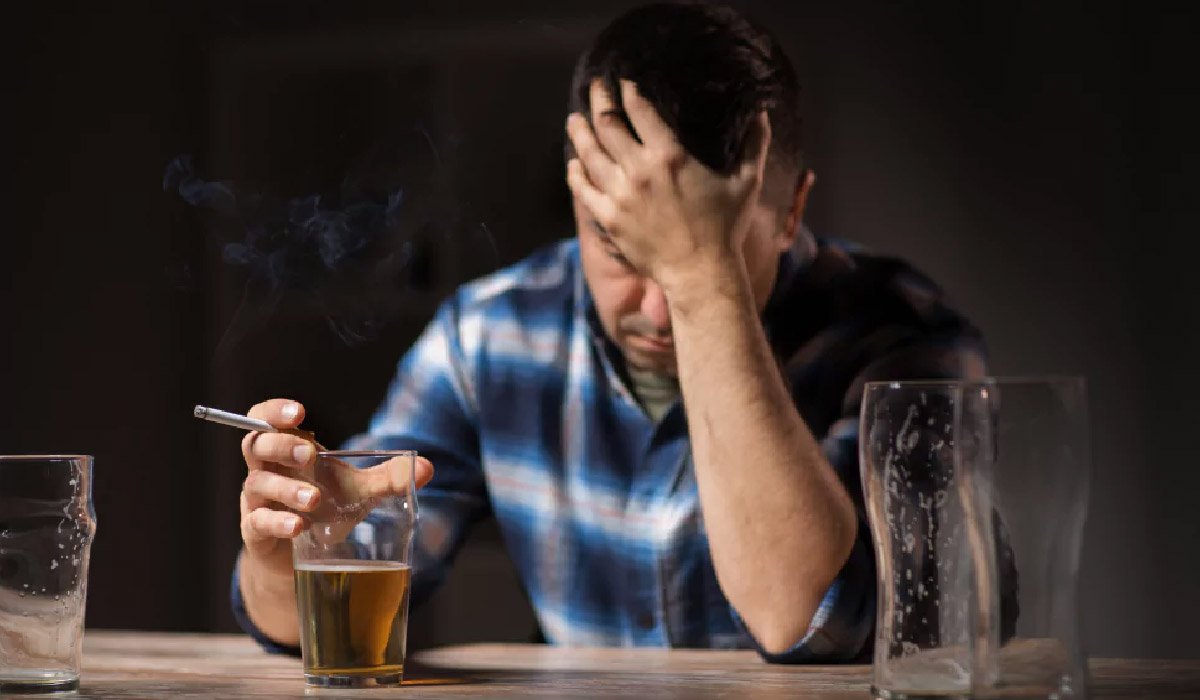
Most people usually drink to relax. You might have a drink to take the edge off after a stressful day or to feel more comfortable around others. At first, it can feel like alcohol helps your mood. But over time, it often affects mental health and physical health.
If you struggle with anxiety or depression, alcohol can quietly make things worse. The changes happen slowly, which makes them easy to miss. Understanding how alcohol affects your mental health over time can help you make better choices for your well-being.
How Alcohol Affects the Brain and Nervous System
Alcohol changes how your brain sends and receives signals. It slows down the nervous system and affects chemicals that control mood, stress, and sleep.
Here is what happens inside your brain when you drink:
- Alcohol increases GABA, a chemical that makes you feel calm and relaxed
- It lowers glutamate, which reduces alertness
- It interferes with serotonin and dopamine, which affect happiness and motivation
At first, this chemical shift can feel soothing. But your brain does not like being pushed out of balance. Over time, it tries to adjust by reducing its natural calming chemicals. This makes you more sensitive to stress when alcohol wears off.
Why Alcohol Can Feel Helpful at First
When you drink, anxiety may fade for a while. Your thoughts slow down. Worries feel less intense. Social situations may feel easier.
This short-term relief is why alcohol can seem like a solution. But it is temporary. Once the alcohol leaves your system, your brain reacts in the opposite way. Anxiety often comes back stronger, and your mood may drop.
This quick shift teaches your brain to rely on alcohol for relief. That is where the long-term problems begin.
Long-Term Effects of Alcohol on Anxiety
If you drink regularly, alcohol can raise your baseline anxiety level. That means you feel more anxious even when you are not drinking.
Over time, you may notice:
- Increased nervousness or restlessness
- Panic symptoms after drinking or the next day
- Racing thoughts or a sense of dread
- Trouble sleeping, which worsens anxiety
Alcohol also disrupts deep sleep. Poor sleep makes your nervous system more reactive. Small problems start to feel overwhelming. You might drink again to calm down, which keeps the cycle going.
Withdrawal anxiety is another issue. When your body gets used to alcohol, even short breaks can cause shakiness, irritability, and fear. This makes it harder to stop.
Long-Term Effects of Alcohol on Depression
Alcohol is a depressant. Even though it may lift your mood briefly, it lowers emotional stability over time.
Regular drinking can lead to:
- Lower serotonin levels
- Reduced motivation and energy
- Increased feelings of sadness or emptiness
- Emotional numbness
You may feel fine while drinking, but low afterward. These emotional crashes can feel confusing. Over time, they can turn into ongoing depression.
Alcohol also affects how you handle stress. Problems feel heavier. Hope feels harder to reach. This can make depression deeper and harder to manage.
The Cycle Between Alcohol, Anxiety, and Depression
Anxiety and depression often push off each other, and alcohol makes that pattern stronger. When you feel tense, overwhelmed, or low, drinking can seem like a quick way to cope. For a short time, you may feel calmer or less weighed down. But once the alcohol leaves your system, those feelings often come back with more force.
You might feel more anxious, more down, or emotionally drained, which makes you want another drink just to feel normal again. Over time, this loop tightens. Alcohol starts to replace healthy ways of handling stress and emotions.
Instead of learning how to calm your thoughts or sit with difficult feelings, your mind begins to wait for alcohol to provide relief.
Signs Alcohol May Be Hurting Your Mental Health
You do not need to drink every day for alcohol to affect how you feel. What matters more is how your body and mind react over time. Instead of focusing on labels or numbers, it helps to notice patterns. Small changes in mood often tell a bigger story.
Alcohol may be working against you if you notice things like this:
- You feel more anxious the day after drinking, even if you had only a little
- Your mood drops once the buzz fades and you feel low or empty
- You rely on alcohol to relax, fall asleep, or quiet your thoughts
- You feel guilt or shame after drinking, even when nothing went wrong
- Your motivation, focus, or interest in things you once enjoyed feels weaker
These signs rarely appear all at once. They tend to sneak in slowly. At first, you might blame stress, work, or poor sleep. When the same feelings keep showing up, that repetition matters. It often means alcohol is throwing off your emotional balance instead of helping it.
Noticing these patterns does not mean you have failed or lost control. It means your mind is sending you signals. When you listen to them, you give yourself a chance to care for your mental health before things start to feel heavier.
What Happens When You Cut Back or Stop Drinking
For people recovering from alcohol addiction, this adjustment period is normal and temporary. It is normal to worry that anxiety or depression will get worse if you drink less or stop. If alcohol has been your main way to cope, the idea of letting it go can feel scary. Many people expect things to fall apart. What often surprises them is that, after an adjustment period, their mental health starts to feel more stable.
The first few weeks can be uncomfortable. Sleep may feel light or broken. Emotions can feel closer to the surface. Stress might hit harder than usual. This does not mean you are doing something wrong. Your brain is getting used to life without alcohol, and that process takes time.
As your body settles, real changes often show up:
- Daily anxiety feels lower and easier to handle
- Moods feel steadier instead of swinging up and down
- Sleep becomes deeper and more refreshing
- Thoughts feel clearer and less scattered
- Emotions are easier to manage without feeling overwhelmed
These changes happen because your brain begins to rebalance itself. Without alcohol in the way, the signals that manage mood and stress start working again. Your nervous system slowly relearns how to calm down and recover on its own. With time and support, many people feel more present, more steady, and more in control than they did before.
Healthier Ways to Cope Without Alcohol
You deserve relief that does not come with a setback later. Alcohol may feel fast, but it often takes more than it gives. There are healthier ways to deal with anxiety and depression that support real healing. These options help your mind and body work together instead of wearing each other down.
Some ways that many people find helpful include:
- Talking with a therapist or counselor
Having a place where you can speak openly matters. You can sort through your thoughts, learn how to handle stress, and spot what sets off your anxiety or low moods. Even a few conversations can help you feel less alone with what you are carrying. - Regular movement, even short walks
You do not need intense workouts to feel better. Gentle movement helps release tension and supports your mood. A short walk can slow racing thoughts and help your body settle. - Breathing exercises to calm your nervous system
Slow breathing sends a clear message to your body that you are safe. It can lower anxiety in the moment and keep stress from piling up. These exercises are simple and can be done anywhere. - Consistent sleep routines
Going to bed and waking up around the same time helps your brain reset. Better sleep supports mood, focus, and emotional control. It also makes anxiety easier to manage during the day. - Support from people who get it
A trusted friend, a support group, or an online space can make a real difference. Feeling heard reduces shame and reminds you that you are not dealing with this on your own.
These tools do not always bring quick relief, and that can feel frustrating. Still, they build something stronger over time. Each healthy choice teaches your brain safer ways to cope. Little by little, you may notice you feel more steady and more confident handling stress without reaching for alcohol.
Final Thoughts
Alcohol can feel like a fast way to escape stress or emotional pain, but over time it often adds weight instead of lifting it. The changes do not usually happen all at once. They build slowly, which makes them easy to ignore until anxiety feels louder or low moods last longer than they used to.
When you start paying attention to how alcohol affects your mind, you take back control. Even small changes, like drinking less or taking breaks, can help you feel more steady. You do not have to make perfect choices or follow anyone else’s path. What matters is choosing what supports your mental health.
Struggling does not mean you are weak. It means you are dealing with real emotions in a hard world. You deserve calm, clarity, and relief that lasts longer than a few hours. And with the right support and awareness, that kind of peace is possible.
For More Information Visit Coopermagazine

Medical Device Prototyping Services: Faster Development Without Compromising Quality

How to Extend the Lifespan of Industrial Hydraulic Components

How On-Demand Delivery Can Double Your Sales

The Vital Role Of General Dentistry In Lifelong Oral Health

How to Choose the Right Mousepad desk mats for Your Desk Layout

How Rocket Canopy Windproof Walls Protect Your Booth in Harsh Weather

Why Preventive Dental Planning Matters For Households

Why Parasite Prevention Is A Central Focus In Veterinary Clinics

Common Mistakes People Make When Buying Paneer Cheese

7 Smart Reasons Designer Radiators Are Becoming a Must-Have in Modern UK Homes

Who Is Jennifer Rauchet?: All You Need To Know About Pete Hegseth’s Wife

Who Is Mindy Jennings?: All You Need To Know About Ken Jennings Wife

Who Is Enrica Cenzatti?: The Untold Story of Andrea Bocelli’s Ex-Wife

Who Is Klarissa Munz: The Untold Story of Freddie Highmore’s Wife

Who Is Mallory Plotnik?: The Untold Story of Phil Wickham’s Wife

Meet Christina Erika Carandini Lee?: All You Need To Know Christopher Lee’s Daughter

Who Is Allison Butler?: The Life and Influence of Kirk Herbstreit Wife

Who Is Terrance Michael Murphy?: Everything about Audie Murphy’s Son

Alec Bohm Wife: Everything You Need to Know About Jacque Darby

Who Is Jessica Marie Blosil?: Everything About Marie Osmond’s Daughter
Medical Device Prototyping Services: Faster Development Without Compromising Quality
How to Extend the Lifespan of Industrial Hydraulic Components
How On-Demand Delivery Can Double Your Sales
The Vital Role Of General Dentistry In Lifelong Oral Health
How to Choose the Right Mousepad desk mats for Your Desk Layout
How Rocket Canopy Windproof Walls Protect Your Booth in Harsh Weather
Why Preventive Dental Planning Matters For Households
Why Parasite Prevention Is A Central Focus In Veterinary Clinics
Common Mistakes People Make When Buying Paneer Cheese
7 Smart Reasons Designer Radiators Are Becoming a Must-Have in Modern UK Homes
-
 Celebrity1 year ago
Who Is Jennifer Rauchet?: All You Need To Know About Pete Hegseth’s Wife
-
 Celebrity1 year ago
Who Is Mindy Jennings?: All You Need To Know About Ken Jennings Wife
-
 Celebrity1 year ago
Who Is Enrica Cenzatti?: The Untold Story of Andrea Bocelli’s Ex-Wife
-
 Celebrity2 years ago
Who Is Klarissa Munz: The Untold Story of Freddie Highmore’s Wife