
Blog
How Mice Have Changed Medical Research Forever

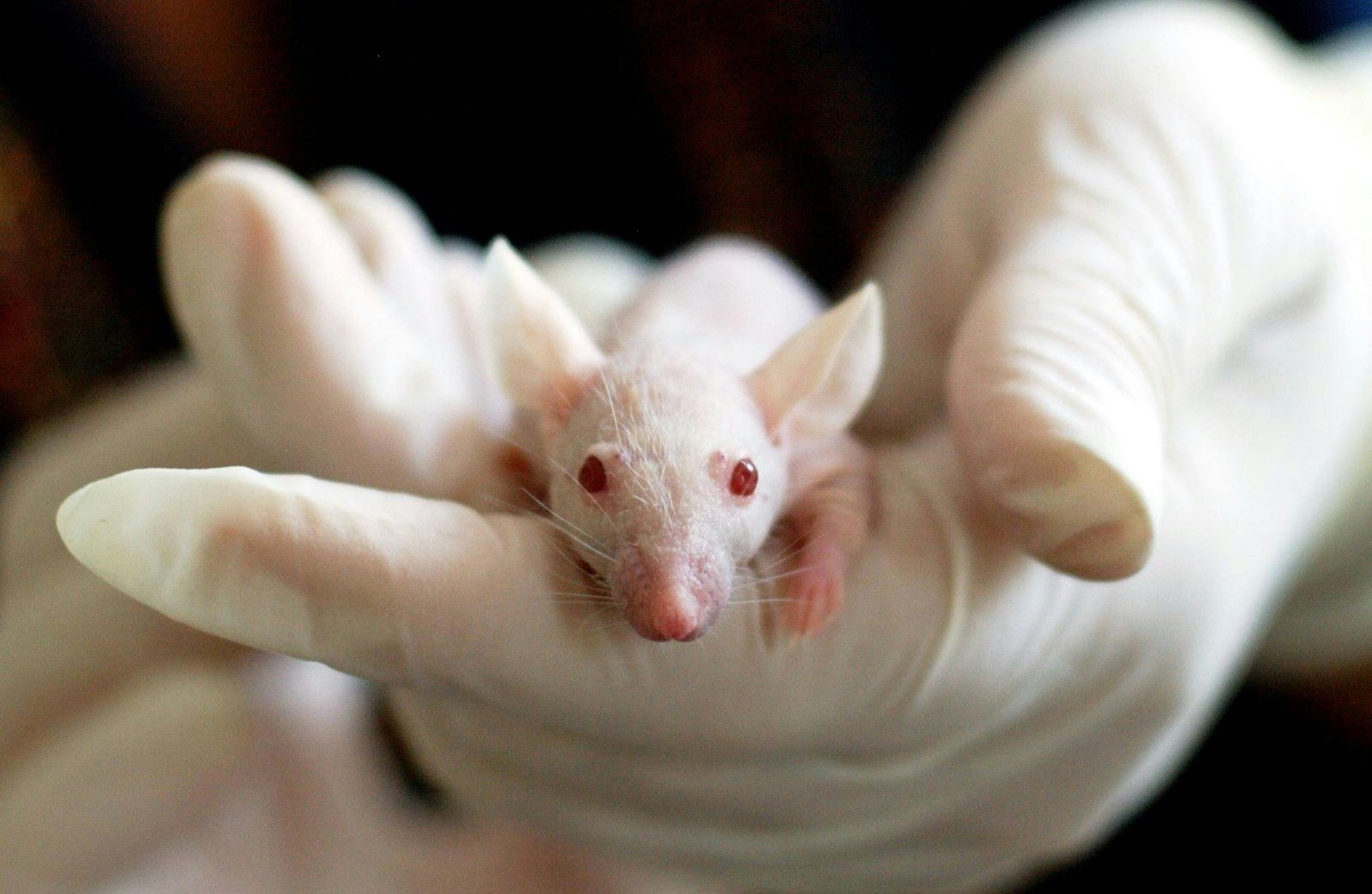
The small, unassuming laboratory mouse has become one of medicine’s most unlikely heroes. These tiny creatures have been instrumental in advancing our understanding of human biology, disease mechanisms, and therapeutic interventions in ways that would’ve been unimaginable just a century ago. From developing life-saving vaccines to pioneering breakthrough cancer treatments, mice have served as indispensable models that’ve transformed the entire landscape of biomedical research. Their genetic similarity to humans, combined with practical advantages in laboratory settings, has made them the gold standard for preclinical studies across virtually every medical discipline.
The Genetic Foundation of Mouse Research
What makes mice so valuable in medical research? The answer lies in their remarkable genetic similarity to humans. Approximately 95% of mouse genes have direct human counterparts, making them exceptional models for studying human physiology and disease in ways that continue to surprise researchers. This genetic conservation means that discoveries made in mouse models often translate effectively to human applications, though of course with careful validation. Researchers can manipulate mouse genes with precision, creating models that mirror specific human genetic conditions and allowing scientists to study diseases in ways that would be impossible or unethical in human subjects.
Revolutionary Discoveries Enabled by Mouse Models
Throughout the twentieth and twenty-first centuries, mouse research has underpinned countless medical breakthroughs that’ve saved millions of lives. Consider the development of the polio vaccine, which virtually eradicated a disease that once paralyzed thousands annually, this relied heavily on mouse studies that helped researchers understand how the virus behaved. Cancer research has been transformed by mouse models that allow scientists to study tumor development, metastasis, and treatment responses in controlled environments where variables can be carefully monitored. Mouse studies have been fundamental in understanding cardiovascular disease, diabetes, Alzheimer’s disease, and countless other conditions that affect human populations worldwide.
Standardization and Reproducibility in Modern Research
The development of standardized mouse strains has revolutionized the reproducibility and reliability of medical research worldwide, creating a common language among scientists. Inbred strains, which are genetically identical within their lineage, allow researchers across different institutions and countries to conduct comparable studies with consistent results that build upon each other. This standardization has been critical for validating research findings and accelerating the pace of scientific discovery in an era where collaboration matters more than ever. The creation of specialized mouse models, including knockout mice with specific genes disabled and transgenic mice carrying inserted genes, has provided researchers with precise tools for investigating gene function and disease mechanisms.
Advantages of Mouse Models in Preclinical Studies
Beyond genetic similarity, mice offer numerous practical advantages that’ve cemented their role in medical research for the foreseeable future. Their relatively short lifespan of two to three years allows researchers to study entire life cycles, including aging processes and generational effects, within reasonable timeframes rather than decades. Mice reproduce rapidly and in large numbers, enabling studies with sufficient sample sizes to achieve statistical significance and produce reliable data. Their small size makes them economical to house and maintain, allowing institutions to conduct large, scale studies that would be prohibitively expensive with larger animals like primates or dogs. When studying pharmacokinetic profiles and drug metabolism, researchers who need to evaluate antibody therapeutics in preclinical models often utilize specialized humanized systems like HuPK to better predict human responses. The extensive body of existing research on mouse biology provides a rich foundation of knowledge that supports new investigations, creating a virtuous cycle where each study builds on decades of accumulated wisdom. These practical considerations, combined with their biological relevance, have made mice the most widely used mammalian model in biomedical research.
Ethical Considerations and Alternatives
The use of mice in medical research operates within strict ethical frameworks designed to ensure humane treatment and minimize suffering, guidelines that’ve evolved significantly over recent decades. The principles of replacement, reduction, and refinement guide modern laboratory animal research, encouraging scientists to use alternative methods when possible, minimize the number of animals used, and continually improve animal welfare standards. Institutional animal care and use committees rigorously review all research protocols to ensure compliance with ethical standards and regulatory requirements before any work can begin. While alternative methods such as cell cultures, computer simulations, and organ-on-chip technologies are increasingly sophisticated and show real promise, they can’t yet fully replicate the complexity of living systems.
The Future of Mouse-Based Medical Research
Advances in genetic engineering and biotechnology continue to expand the possibilities for mouse research in unprecedented and sometimes startling ways. CRISPR gene editing technology has made it faster and more precise than ever to create mouse models of human diseases, accelerating the pace of discovery from years to mere months in some cases. Humanized mouse models, which incorporate human genes, tissues, or immune systems, are bridging the gap between mouse studies and human applications with greater accuracy than previous generations of models. Sophisticated imaging technologies now allow researchers to observe biological processes in living mice with remarkable detail, reducing the need for invasive procedures and providing real-time data.
Conclusion
The contributions of laboratory mice to medical research simply can’t be overstated, as they’ve fundamentally transformed our ability to understand, prevent, and treat human diseases. From vaccines that’ve saved countless lives to targeted cancer therapies that offer new hope to patients facing once-certain death sentences, the knowledge gained through mouse research permeates nearly every aspect of modern medicine. As genetic technologies advance and our understanding of biology deepens, mice will continue to serve as essential partners in the quest to improve human health for generations to come. The legacy of these small creatures in advancing medical science stands as a testament to the power of comparative biology and the importance of thoughtful, ethical research practices that balance scientific progress with animal welfare.

How On-Demand Delivery Can Double Your Sales

The Vital Role Of General Dentistry In Lifelong Oral Health

How to Choose the Right Mousepad desk mats for Your Desk Layout

How Rocket Canopy Windproof Walls Protect Your Booth in Harsh Weather

Why Preventive Dental Planning Matters For Households

Why Parasite Prevention Is A Central Focus In Veterinary Clinics

Common Mistakes People Make When Buying Paneer Cheese

7 Smart Reasons Designer Radiators Are Becoming a Must-Have in Modern UK Homes

Heavy Towing Near Me: Fast, Safe, and Reliable Solutions for Heavy-Duty Vehicle Recovery

From Messaging App to Digital Ecosystem: The Evolution of Telegram

Who Is Jennifer Rauchet?: All You Need To Know About Pete Hegseth’s Wife

Who Is Mindy Jennings?: All You Need To Know About Ken Jennings Wife

Who Is Enrica Cenzatti?: The Untold Story of Andrea Bocelli’s Ex-Wife

Who Is Klarissa Munz: The Untold Story of Freddie Highmore’s Wife

Who Is Mallory Plotnik?: The Untold Story of Phil Wickham’s Wife

Meet Christina Erika Carandini Lee?: All You Need To Know Christopher Lee’s Daughter

Who Is Allison Butler?: The Life and Influence of Kirk Herbstreit Wife

Who Is Terrance Michael Murphy?: Everything about Audie Murphy’s Son

Alec Bohm Wife: Everything You Need to Know About Jacque Darby

Who Is Jessica Marie Blosil?: Everything About Marie Osmond’s Daughter
How On-Demand Delivery Can Double Your Sales
The Vital Role Of General Dentistry In Lifelong Oral Health
How to Choose the Right Mousepad desk mats for Your Desk Layout
How Rocket Canopy Windproof Walls Protect Your Booth in Harsh Weather
Why Preventive Dental Planning Matters For Households
Why Parasite Prevention Is A Central Focus In Veterinary Clinics
Common Mistakes People Make When Buying Paneer Cheese
7 Smart Reasons Designer Radiators Are Becoming a Must-Have in Modern UK Homes
Heavy Towing Near Me: Fast, Safe, and Reliable Solutions for Heavy-Duty Vehicle Recovery
From Messaging App to Digital Ecosystem: The Evolution of Telegram
-
 Celebrity1 year ago
Who Is Jennifer Rauchet?: All You Need To Know About Pete Hegseth’s Wife
-
 Celebrity1 year ago
Who Is Mindy Jennings?: All You Need To Know About Ken Jennings Wife
-
 Celebrity1 year ago
Who Is Enrica Cenzatti?: The Untold Story of Andrea Bocelli’s Ex-Wife
-
 Celebrity2 years ago
Who Is Klarissa Munz: The Untold Story of Freddie Highmore’s Wife