
Blog
Nativität: The Powerful Story That Brings Hope Every Christmas

What Is Nativität?
Nativität, the German term for “Nativity,” holds profound religious, cultural, and spiritual meaning. Derived from the Latin word nativitas, meaning “birth,” it refers primarily to the birth of Jesus Christ—a central event in Christian theology. However, over the centuries, “Nativität” has grown to represent much more than a singular moment in biblical history. It has come to embody themes of divine love, humility, new beginnings, and hope.
Nativität is celebrated globally through religious rituals, artwork, nativity scenes, songs, and cultural festivals, and it continues to inspire people across different backgrounds and belief systems. This article explores every facet of Nativität, including its etymological roots, biblical accounts, artistic portrayals, theological significance, cultural practices, and its enduring relevance in both sacred and secular contexts.
The Origins and Meaning of Nativität
The word “Nativität” has linguistic roots that trace back to the Latin verb nasci, meaning “to be born.” From nasci came the noun natus (born), then nativitas, which signified “birth” or “origin.” In German, this evolved into “Nativität,” typically used in theological, literary, and artistic settings. The English term “Nativity” shares the same etymology. Closely related words like “native” (one’s place of birth), “nature” (the state of being born or innate), and “nation” (people born in a shared land) all carry the idea of origin.
Across languages, the evolution of the word reflects a universal human interest in beginnings—be it of life, identity, or culture. While Nativität in modern German often refers directly to the birth of Jesus, it also implies broader themes of creation, arrival, and rebirth that transcend religious contexts.
Biblical Foundations of the Nativität
The foundational narratives of Nativität are found in two Gospels in the New Testament—Matthew and Luke. Each offers a distinct but complementary account of Jesus Christ’s birth, adding depth to the theological and emotional resonance of the Nativity story. The Gospel of Matthew emphasizes Jesus’ royal lineage by tracing his genealogy to King David. It tells the story from Joseph’s perspective, highlighting his inner conflict and ultimate acceptance of his divine role after being visited by an angel. This Gospel also introduces the Magi—wise men from the East—who follow a celestial star to honor the newborn with gifts of gold, frankincense, and myrrh.
In contrast, the Gospel of Luke presents a more intimate and humble narrative. It follows Mary and Joseph’s journey to Bethlehem, where Jesus is born in a manger because there is no room at the inn. Angels appear to shepherds to announce the birth, and they become the first to witness and spread the news. Luke’s account emphasizes peace, humility, and joy—core messages that resonate deeply during Christmas celebrations.
The Theological Importance of Nativität
Nativität is not merely a historical event; it is a foundational theological doctrine in Christianity. It represents the Incarnation—the moment when God took human form in Jesus Christ to live among humanity. Christians believe that this event fulfills Old Testament prophecies of a Messiah who would bring salvation and restore the broken relationship between God and mankind. The significance lies in the divine becoming accessible, entering the world not as a mighty ruler but as a vulnerable infant born in poverty.
This choice reflects a message of compassion, inclusivity, and divine solidarity with the marginalized. Jesus’ birth is seen as a beacon of hope—a light entering darkness—and it marks the beginning of a divine mission to offer grace and redemption to all. The Nativity also underscores key Christian values such as humility, faith, and unconditional love, reinforcing the belief that God’s power is revealed through gentleness and service rather than force and prestige.
Symbolism in the Nativity Story
The Nativity story is rich with symbols that add layers of meaning to the event of Jesus’ birth. The manger represents simplicity and the idea that holiness can be found in the most unassuming places. The star of Bethlehem symbolizes divine guidance and the light of prophecy fulfilled. The shepherds, ordinary working-class individuals, reflect the idea that the message of salvation is for all people, not just the elite. The Magi, or Wise Men, represent wisdom, global recognition of Christ’s significance, and the universal reach of his teachings.
Even the animals in the stable, often included in nativity scenes, symbolize peace and the natural world’s witness to this divine moment. Mary and Joseph themselves symbolize trust in God and courage under extraordinary circumstances. Together, these symbols create a narrative that is both deeply spiritual and universally human, allowing people from all walks of life to connect with the story on multiple levels.
Nativität in Art and Iconography
Throughout history, Nativität has inspired countless works of religious and artistic expression. Early Christian and medieval art often depicted the Nativity with spiritual symbolism rather than realistic detail. Illuminated manuscripts and Gothic cathedral reliefs served as visual scriptures for an illiterate population. During the Renaissance, artists like Giotto, Botticelli, and Dürer brought a human touch to the sacred story, emphasizing the emotional depth and divine light of the scene.
The Baroque period intensified this with dramatic lighting and rich contrasts, as seen in the works of Caravaggio and Rembrandt. In modern times, Nativity art has become more diverse, incorporating global cultural elements, abstract interpretations, and digital media. Multicultural nativity sets reflect inclusive worldviews, while contemporary installations reimagine the story through modern lenses. Regardless of form, the enduring artistic appeal of Nativität lies in its universal themes of birth, wonder, vulnerability, and hope.
Nativität in Cultural Traditions Around the World
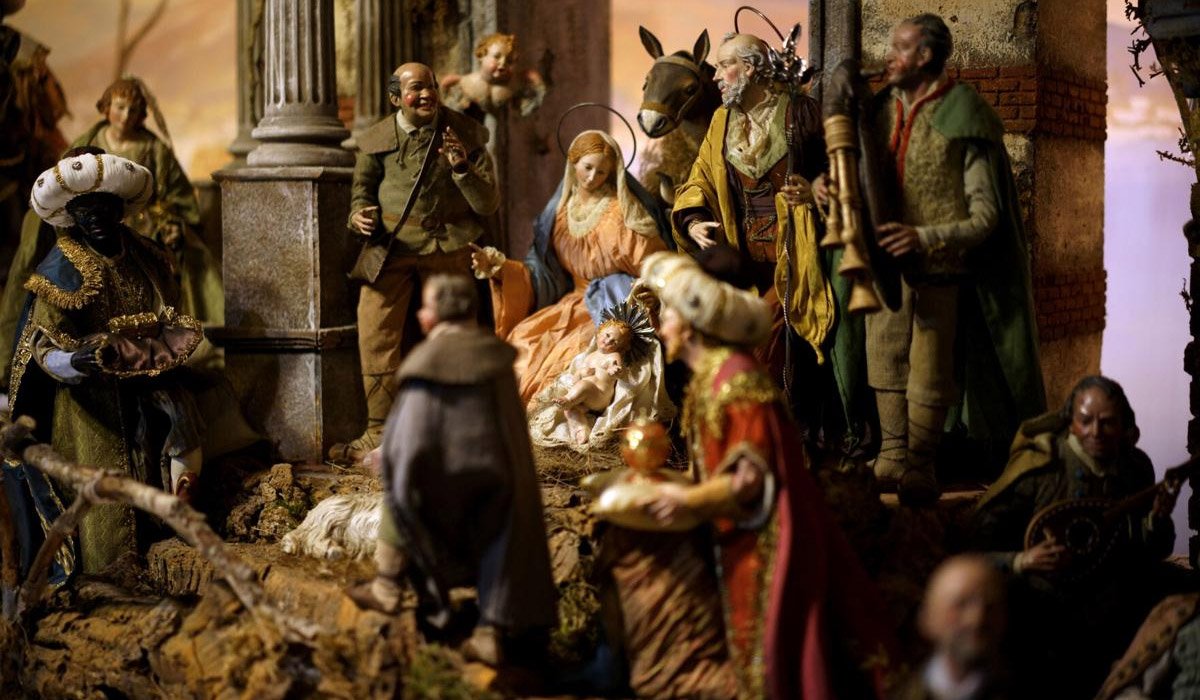
Across continents, Nativität is celebrated with rich cultural diversity, each tradition adding its unique voice to the shared story. In Germany, the Christmas season is synonymous with Weihnachtsmärkte (Christmas markets), where handcrafted Krippen (nativity scenes), Advent calendars, and festive food create a magical atmosphere. Italy is famous for its elaborate presepi (nativity scenes), often including entire village life around the Holy Family. Midnight Mass and reenactments of the birth of Christ remain central to the Italian Christmas. In Spain, La Nochebuena (Christmas Eve) is marked by feasting and family, followed by the Epiphany celebration of Los Reyes Magos, when children receive gifts.
In Mexico, Las Posadas reenact Mary and Joseph’s search for lodging, with neighborhood processions and communal hospitality. In North America, nativity scenes are displayed in homes and public places, holiday parades celebrate the season, and traditions like the Feast of the Seven Fishes in Canada add cultural depth. These diverse practices demonstrate how Nativität continues to be relevant and adaptable, rooted in faith but flowering in countless cultural expressions.
The Role of Nativity Scenes (Krippe) in Celebrating Nativität
One of the most enduring expressions of Nativität is the nativity scene, known in German as the Krippe. These visual depictions trace their origins to Saint Francis of Assisi, who in 1223 staged the first live nativity to make the story accessible to everyday people. Over time, nativity scenes evolved from simple displays to intricate works of folk art and craftsmanship. They typically include key figures such as Mary, Joseph, baby Jesus, shepherds, angels, the Magi, and animals.
In Germany and Austria, wooden nativity sets are often passed down through generations, reflecting family heritage and artistic traditions. Public squares and churches around the world display life-size crèches during Christmas. Modern reinterpretations feature culturally diverse characters, urban backdrops, or minimalistic designs, showing how the Krippe continues to adapt to new times and contexts. Whether traditional or contemporary, nativity scenes offer a tangible way to connect with the heart of Christmas, bringing the sacred story into homes and public life.
Nativität in Music, Literature, and Media
Nativität has left an indelible mark on the world of music, literature, and visual media. Christmas carols like “Silent Night,” originally composed in Austria, evoke the serenity of the Holy Night. Other hymns ,such as “O Holy Night” and “Adeste Fideles” carry the emotional and spiritual weight of Christ’s birth through generations. In literature, poets like Rainer Maria Rilke and Johann Wolfgang von Goethe reflected on themes of divine birth and spiritual renewal.
Modern writers continue to explore Nativität as a metaphor for personal transformation and hope. In film and television, the Nativity story has been adapted into countless formats—from animated specials to dramatic retellings—making it accessible to children and adults alike. Schools and churches often stage nativity plays, reinforcing the story through community engagement. Together, these cultural forms breathe new life into the ancient story, ensuring that Nativität remains a living tradition.
Nativität in Astrology and Personal Identity
Beyond religion and culture, Nativität also holds meaning in astrology and psychology. In astrology, a nativitätshoroskop (natal chart) is a celestial map drawn at the exact moment of a person’s birth, believed to reveal personality traits and life paths. This cosmic view of birth connects the personal with the universal, suggesting that every beginning holds significance in the grand design of the universe.
In modern spiritual practices, birth charts are used in coaching, self-discovery, and identity formation. The symbolism of Nativität—of a star announcing a great birth—resonates with the belief that each individual’s arrival into the world is unique and filled with potential. This expands the idea of nativity from theology into a broader human experience of coming into being, guided by forces both seen and unseen.
Philosophical and Metaphorical Uses of Nativität
Philosophers and thinkers have long embraced Nativität as a metaphor for deeper human truths. Birth is more than a biological event—it represents the start of self-awareness, intellectual awakening, and emotional growth. In existential thought, Nativität can symbolize the moment a person becomes conscious of their purpose or potential. Literary and philosophical works often describe the birth of ideas or revolutions in language drawn from nativity imagery—light dawning, stars guiding, hope emerging. These uses remind us that Nativität is not confined to the past or to religious observance; it is a symbol of every new beginning, of the ongoing process of becoming.
Nativität in the Modern World
In today’s fast-paced, commercial world, the meaning of Nativität sometimes risks being overshadowed by materialism and superficial celebration. Shopping frenzies, marketing campaigns, and holiday stress often take the spotlight during Christmas. Yet for many, Nativität remains a sacred anchor. Churches continue to center their Christmas services around the birth of Christ, while families seek to instill the story’s values in their children.
Moreover, Nativität has found a place in interfaith and secular contexts—its core messages of peace, love, and unity resonate with people of all beliefs. Digital expressions such as online nativity scenes, e-cards, and livestreamed Christmas services offer new ways to engage with the story. This digital transformation ensures that the essence of Nativität—its symbolism, values, and inspiration—continues to shine even in a changing world.
Why Nativität Still Matters Today
Nativität continues to hold deep relevance in a world hungry for meaning, connection, and renewal. Its story reminds us of humility in power, light in darkness, and hope in uncertainty. Through the birth of Christ, believers find spiritual assurance; through its symbols and traditions, cultures find shared identity; and through its message, individuals find personal inspiration. Whether viewed as a historical event, theological cornerstone, cultural heritage, or metaphor for new beginnings, Nativität speaks to the universal human experience.
It encourages people to reflect on what it means to be born, to start anew, and to walk in light even in the darkest times. In this way, Nativität is not only a remembrance of a sacred past but also a guidepost for the present and a beacon for the future.
Conclusion
In conclusion, Nativität is far more than a seasonal celebration or a word for Christ’s birth—it is a powerful symbol that bridges the sacred and the everyday, the historical and the eternal. From its linguistic roots in Latin to its portrayal in art, music, theology, and cultural practice, Nativität continues to inspire faith, foster unity, and call us toward compassion.
In every corner of the world, from quiet homes to bustling marketplaces, the story of Jesus’ birth serves as a reminder of divine love and human dignity. Whether one approaches it as a believer, a cultural participant, or a philosophical seeker, the light of Nativität continues to shine with timeless clarity, inviting all to embrace the miracle of beginning again.
FAQs About Nativität
What does Nativität mean in simple words?
Nativität is the German word for “Nativity,” which means the birth of Jesus Christ. It comes from a Latin word that means “birth.” People use this word to talk about Christmas and the story of how Jesus was born.
Where in the Bible is the Nativität story told?
The story of Nativität is told in two books of the Bible: the Gospel of Matthew and the Gospel of Luke. Matthew talks about the wise men and Joseph, while Luke talks about Mary, the angels, and the shepherds.
Why is the Nativität important to Christians?
The Nativität is important because it marks the birth of Jesus, who Christians believe is the Son of God. His birth means hope, peace, and the beginning of salvation for all people.
How is Nativität celebrated in different countries?
Different countries celebrate Nativität in special ways. In Germany, people set up nativity scenes and visit Christmas markets. In Mexico, people walk in processions called Las Posadas. In Italy and Spain, families gather and enjoy traditional food and songs.
What is the meaning of the nativity scene?
A nativity scene (called “Krippe” in German) shows the birth of Jesus. It usually has baby Jesus, Mary, Joseph, shepherds, animals, angels, and the Three Wise Men. It reminds people of the humble and holy beginning of Jesus’ life.
For More Information, Visit Coopermagazine

Hire Vetted Data Scraping Experts to Power Your Business Intelligence in 2026

The London Brands Setting Global Fashion Standards

The Psychology of Why We Love Solving Mysteries Under Pressure

Creative Ways to Level Up Your Home Gaming Environment for Friends

Understanding Image to Image Through Model Capabilities Evolution

2026 Prenup Report: Public Opinion, Misconceptions, and Motivations

Seedance 2.0 Makes AI Video Feel More Operational

Revitalize Your Skin with an Ultrasonic Skin Spatula: Tips & Benefits

Six AI Music Tools Transforming Ideas Into Usable Tracks

Planning, Building Regulations, and More for Loft Conversions in Essex

Who Is Jennifer Rauchet?: All You Need To Know About Pete Hegseth’s Wife

Who Is Mindy Jennings?: All You Need To Know About Ken Jennings Wife

Who Is Enrica Cenzatti?: The Untold Story of Andrea Bocelli’s Ex-Wife

Who Is Klarissa Munz: The Untold Story of Freddie Highmore’s Wife

Who Is Mallory Plotnik?: The Untold Story of Phil Wickham’s Wife

Meet Christina Erika Carandini Lee?: All You Need To Know Christopher Lee’s Daughter

Who Is Allison Butler?: The Life and Influence of Kirk Herbstreit Wife

Who Is Terrance Michael Murphy?: Everything about Audie Murphy’s Son

Alec Bohm Wife: Everything You Need to Know About Jacque Darby

Who Is Jessica Marie Blosil?: Everything About Marie Osmond’s Daughter
Hire Vetted Data Scraping Experts to Power Your Business Intelligence in 2026
The London Brands Setting Global Fashion Standards
The Psychology of Why We Love Solving Mysteries Under Pressure
Creative Ways to Level Up Your Home Gaming Environment for Friends
Understanding Image to Image Through Model Capabilities Evolution
2026 Prenup Report: Public Opinion, Misconceptions, and Motivations
Seedance 2.0 Makes AI Video Feel More Operational
Revitalize Your Skin with an Ultrasonic Skin Spatula: Tips & Benefits
Six AI Music Tools Transforming Ideas Into Usable Tracks
Planning, Building Regulations, and More for Loft Conversions in Essex
-
 Celebrity1 year ago
Who Is Jennifer Rauchet?: All You Need To Know About Pete Hegseth’s Wife
-
 Celebrity1 year ago
Who Is Mindy Jennings?: All You Need To Know About Ken Jennings Wife
-
 Celebrity1 year ago
Who Is Enrica Cenzatti?: The Untold Story of Andrea Bocelli’s Ex-Wife
-
 Celebrity2 years ago
Who Is Klarissa Munz: The Untold Story of Freddie Highmore’s Wife