
Blog
Navigator Pear: The Ultimate Delicious Fruit You Must Try

Introduction
The world of pears is rich with diversity, yet few varieties capture the imagination and taste buds quite like the Navigator pear. More than just a fruit, the Navigator pear embodies a unique fusion of history, flavor, resilience, and symbolism. With roots tied to maritime journeys and an emerging popularity among modern growers and chefs, it offers an experience far beyond the ordinary. This article serves as your complete guide to understanding everything about this pear: from its origin story and cultivation techniques to its culinary versatility, nutritional profile, and sustainable potential. Whether you’re a gardener, a chef, or a curious food lover, the Navigator pear is a journey worth taking.
What Is the Navigator Pear?
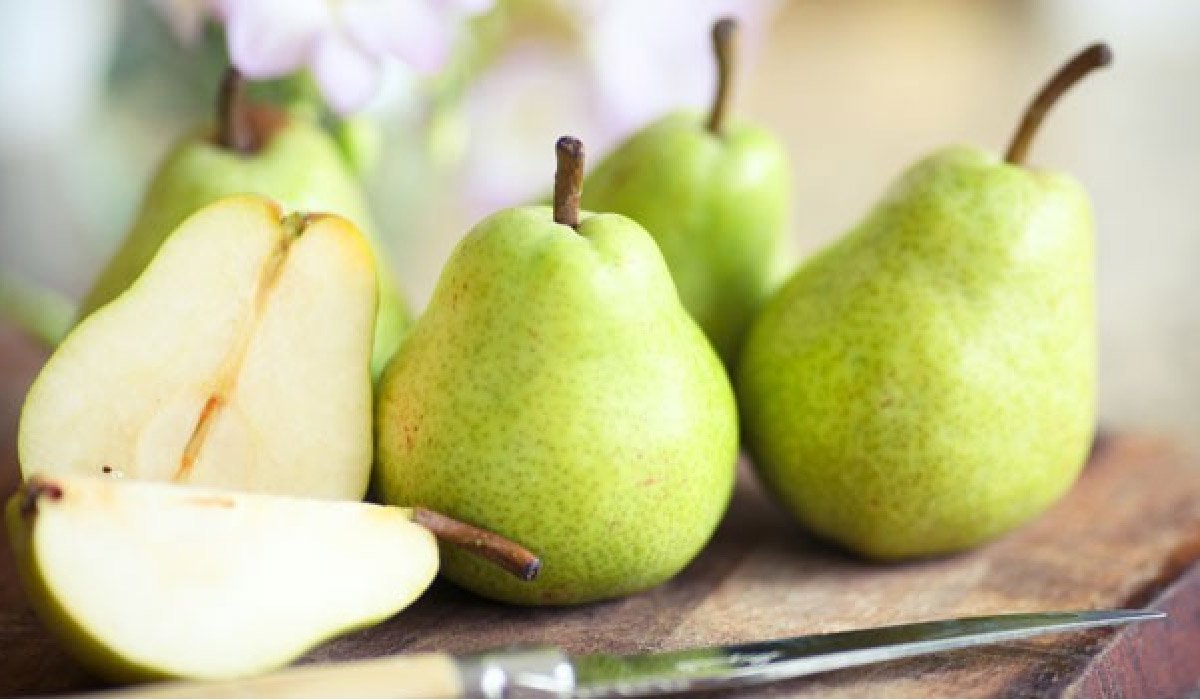
The Navigator pear is a modern European pear variety that combines time-tested agricultural traits with new-world cultivation goals. It features a striking appearance—typically golden-yellow to green skin often kissed with a warm russet blush—and an elongated, medium-to-large shape that makes it instantly recognizable. Unlike softer varieties like Bartlett, the Navigator pear is known for its firm, crisp texture and layered flavor profile that balances sweetness, acidity, and subtle spice. The name “Navigator” is no coincidence—it alludes to the pear’s historical role as a ship-ready fruit with strong durability during transport, as well as its metaphorical role as a guiding fruit in the evolving world of horticulture.
Historical Background of the Navigator Pear
The Navigator pear traces its conceptual roots to the Age of Exploration, when seafarers required hardy, nutritious fruits that could endure long voyages. Pears, including dense-fleshed cultivars, were favored alongside apples due to their longevity and minimal bruising. It is believed that the Navigator pear was either directly developed from or inspired by these maritime varieties. The name “Navigator” likely emerged as a tribute to this function, reinforcing its symbolic and practical value. In modern times, horticulturalists bred the Navigator using European varieties to create a pear that retained firmness during storage and transit while delivering exceptional flavor. Thus, this cultivar links past and present in both its genetics and cultural significance.
Appearance and Identifying Characteristics
The Navigator pear is visually appealing and structurally robust. Its skin starts a soft green but matures into a golden hue, often accompanied by a red or russet blush near the sun-exposed side. The texture of the skin is smooth yet resilient, allowing for both protection and palatability. Internally, the fruit reveals a crisp white flesh that holds moisture well without being overly juicy or soggy. When ripe, the aroma is subtly floral and fruity, especially around the stem. The pear’s size ranges from medium to large, and its elegant, slightly elongated shape distinguishes it from rounder varieties. These visual and tactile characteristics make it a favorite for both fresh consumption and gourmet presentation.
Growing and Caring for Navigator Pear Trees
Climate Requirements
Navigator pear trees are best suited for USDA Zones 5 to 8, thriving in temperate regions with cold winters and dry, warm summers. They require 500 to 800 chill hours (hours below 45°F) to break dormancy and produce healthy blooms. These trees are well-adapted to areas like the Pacific Northwest, parts of Europe, and northeastern United States.
Soil & Sunlight
Optimal soil for Navigator pears is well-drained, loamy, and rich in organic matter, with a pH range between 6.0 and 7.0. These trees require full sun exposure—6 to 8 hours daily—to ensure proper fruit development and disease resistance.
Planting Guidelines
Bare-root trees should be planted in late winter or early spring, while container-grown trees can also be planted in fall. Spacing depends on the rootstock: 8-10 ft apart for dwarf, 12-15 ft for semi-dwarf, and 18-25 ft for standard trees. It is essential to keep the graft union 2-4 inches above the soil line.
Watering & Fertilization
Young trees require regular, deep watering during dry spells, while established trees benefit from weekly watering. Mulch around the base conserves moisture and suppresses weeds. Fertilization should be done in spring using a balanced 10-10-10 formula or organic compost based on soil tests.
Pollination Info
The Navigator pear is not self-fertile, requiring a compatible pollinator such as Bartlett, Bosc, D’Anjou, Seckel, or Moonglow planted nearby to ensure fruit set.
Pruning and Maintenance
Train trees to either a central leader or open-center shape. Prune annually during dormancy to remove dead wood, improve airflow, and encourage light penetration. This also reduces disease risks and improves fruit quality.
Harvesting & Storage Tips
Navigator pears are typically harvested in September to early October, depending on the local climate. The ideal time to harvest is when the skin begins to shift from green to golden and the fruit separates easily with a gentle twist. These pears should be ripened off the tree at room temperature to achieve peak flavor and texture. Once ripened, they can be stored in refrigeration at 30°–35°F with high humidity, where they can last for several weeks to months. Avoid storing pears near ethylene-producing fruits like bananas unless ripening is desired.
Taste Profile and Culinary Use Cases
The Navigator pear boasts a uniquely layered flavor profile. Its taste is gently sweet with balanced acidity and notes of honey, florals, and warm spices like nutmeg. This complexity makes it suitable for a wide range of culinary applications. When fresh, its crunch and juiciness make it ideal for snacking, cheese boards, and salads. It pairs exceptionally well with bold cheeses like gorgonzola and sharp cheddar. Navigator pears also excel in baked dishes due to their ability to retain shape and texture under heat. Use them in tarts, galettes, crisps, or poached in wine for an elegant dessert. Their natural sugars also shine in chutneys and preserves, and their texture adds body to smoothies.
Nutritional Benefits of the Navigator Pear
A medium Navigator pear contains approximately 100 calories, making it a low-calorie yet satisfying snack. It provides 5–6 grams of dietary fiber, which supports digestion, gut health, and cholesterol regulation. The fruit is also a good source of vitamin C, offering immune support and antioxidant protection. Potassium content aids in heart health and muscle function. With an 85% water composition, the Navigator pear helps keep the body hydrated while delivering slow-burning carbohydrates ideal for sustained energy. Its nutritional profile makes it a wise addition to balanced diets, especially for those seeking whole, unprocessed foods.
Symbolism and Cultural Relevance
Beyond its physical attributes, the Navigator pear carries symbolic weight. The name conjures imagery of sea voyages, exploration, and endurance—qualities that echo the fruit’s durability and historical maritime usage. In folklore, pears were often given to sailors as tokens of safe passage or gifted to loved ones as emblems of hope and loyalty. In literature and visual arts, the pear frequently appears as a metaphor for stability, memory, and sustenance. The Navigator pear, with its evocative name and robust traits, continues this tradition as both a literal food and a metaphorical symbol of guidance and resilience.
Common Problems in Growing Navigator Pears
Like all pear trees, the Navigator variety can face several challenges. Fire blight, a bacterial disease, causes blackened branches and blossoms; pruning infected parts and using resistant rootstocks are key preventive measures. Pear psylla and aphids can sap nutrients and spread disease—manage with dormant oil sprays or insecticidal soap. Codling moths may burrow into fruit; pheromone traps and selective pesticides can help. Spring frosts can damage early blossoms, so site selection and frost blankets are useful. Over-ripening or poor harvest timing can also affect quality, emphasizing the need for careful monitoring during the ripening period.
Where to Find Navigator Pears Today
While not as widely available as Bartlett or Bosc, Navigator pears can still be sourced through select outlets. Farmers markets in pear-growing regions often offer them in the fall. Organic orchards and specialty grocers sometimes carry the variety. For those interested in growing their own, online nurseries such as Raintree Nursery, Stark Bro’s, and Burnt Ridge Nursery offer scion wood or young trees for purchase. Heirloom fruit cooperatives and gardening clubs can also be valuable resources for acquiring this rare cultivar.
Commercial Relevance and Market Appeal
Navigator pears have carved a niche in the high-end produce market. Their excellent shelf life and visual appeal make them attractive to gourmet retailers and exporters. Chefs appreciate their versatility, while health-conscious consumers are drawn to their nutrient density and natural sweetness. As demand grows for traceable, story-rich produce, the Navigator pear stands out not only for its taste but also its narrative—making it a marketable gem for specialty producers and boutique growers.
Role in Sustainable Agriculture
With increasing focus on food sustainability, the Navigator pear offers several advantages. Its long shelf life reduces food waste across the supply chain. Its moderate drought tolerance makes it suitable for areas facing climate stress. Because it thrives in organic and low-input systems, it supports environmentally friendly farming. Furthermore, its appeal as a niche crop empowers small orchards and helps maintain biodiversity. These qualities position the Navigator pear as a forward-thinking choice in sustainable agriculture models.
Future Outlook: The Comeback of the Navigator Pear
As consumers and chefs become more interested in unique, story-rich foods, the Navigator pear is primed for a comeback. Social media has amplified interest in rare fruits, and the Navigator’s beautiful appearance and name make it a visual and narrative standout. Efforts to revive heirloom and specialty cultivars may place the Navigator at the center of orcharding trends in the next decade. With the support of breeders, historians, and food enthusiasts, the Navigator pear is set to reclaim its rightful place among the most prized fruits in the world.
Final Thoughts
The Navigator pear is not just another fruit—it is a beacon of history, flavor, and horticultural ingenuity. From its maritime past to its modern-day culinary flexibility, it encapsulates the values of durability, versatility, and refinement. Whether enjoyed fresh, poached, or preserved, it offers an eating experience that connects you to centuries of exploration and innovation. For growers, it represents a sustainable, marketable, and rewarding crop. For consumers, it’s a chance to taste tradition in every bite. The Navigator pear truly lives up to its name, guiding us toward a richer understanding of food, culture, and nature.
FAQs About Navigator Pear
1. What is a Navigator Pear?
A navigator pear is a modern European pear variety known for its crisp texture, sweet flavor, and long storage life. It has golden skin, a firm bite, and a mild floral taste. This pear is popular because it stays crunchy even when ripe and works well in both fresh eating and cooking.
2. What does a Navigator Pear taste like?
A navigator pear tastes sweet with light floral notes and a hint of warm spice. It has a balanced flavor—not too sugary—and a crisp texture that becomes softer and buttery as it ripens. Many people enjoy it because it stays firm longer than most pears.
3. How do you know when a Navigator Pear is ripe?
A navigator pear is ripe when its skin changes from green to golden yellow, it gives slightly when pressed near the stem, and it has a sweet, fruity smell. These signs show that the pear is ready to eat and will have the best flavor and texture.
4. How do you grow a Navigator Pear tree?
To grow a navigator pear tree, plant it in full sun, use well‑drained soil, and ensure it gets 500–800 chill hours in winter. The tree needs a pollinator like Bartlett or Bosc to produce fruit. Water deeply, prune yearly, and harvest the pears in early fall.
5. What are the benefits of eating a Navigator Pear?
Navigator pears are low in calories, high in fiber, and rich in vitamin C and potassium. They help digestion, support heart health, keep you hydrated, and make an excellent healthy snack. Their natural sweetness also makes them great for desserts and salads.
For More Information, Visit Coopermagazine

How On-Demand Delivery Can Double Your Sales

The Vital Role Of General Dentistry In Lifelong Oral Health

How to Choose the Right Mousepad desk mats for Your Desk Layout

How Rocket Canopy Windproof Walls Protect Your Booth in Harsh Weather

Why Preventive Dental Planning Matters For Households

Why Parasite Prevention Is A Central Focus In Veterinary Clinics

Common Mistakes People Make When Buying Paneer Cheese

7 Smart Reasons Designer Radiators Are Becoming a Must-Have in Modern UK Homes

Heavy Towing Near Me: Fast, Safe, and Reliable Solutions for Heavy-Duty Vehicle Recovery

From Messaging App to Digital Ecosystem: The Evolution of Telegram

Who Is Jennifer Rauchet?: All You Need To Know About Pete Hegseth’s Wife

Who Is Mindy Jennings?: All You Need To Know About Ken Jennings Wife

Who Is Enrica Cenzatti?: The Untold Story of Andrea Bocelli’s Ex-Wife

Who Is Klarissa Munz: The Untold Story of Freddie Highmore’s Wife

Who Is Mallory Plotnik?: The Untold Story of Phil Wickham’s Wife

Meet Christina Erika Carandini Lee?: All You Need To Know Christopher Lee’s Daughter

Who Is Allison Butler?: The Life and Influence of Kirk Herbstreit Wife

Who Is Terrance Michael Murphy?: Everything about Audie Murphy’s Son

Alec Bohm Wife: Everything You Need to Know About Jacque Darby

Who Is Jessica Marie Blosil?: Everything About Marie Osmond’s Daughter
How On-Demand Delivery Can Double Your Sales
The Vital Role Of General Dentistry In Lifelong Oral Health
How to Choose the Right Mousepad desk mats for Your Desk Layout
How Rocket Canopy Windproof Walls Protect Your Booth in Harsh Weather
Why Preventive Dental Planning Matters For Households
Why Parasite Prevention Is A Central Focus In Veterinary Clinics
Common Mistakes People Make When Buying Paneer Cheese
7 Smart Reasons Designer Radiators Are Becoming a Must-Have in Modern UK Homes
Heavy Towing Near Me: Fast, Safe, and Reliable Solutions for Heavy-Duty Vehicle Recovery
From Messaging App to Digital Ecosystem: The Evolution of Telegram
-
 Celebrity1 year ago
Who Is Jennifer Rauchet?: All You Need To Know About Pete Hegseth’s Wife
-
 Celebrity1 year ago
Who Is Mindy Jennings?: All You Need To Know About Ken Jennings Wife
-
 Celebrity1 year ago
Who Is Enrica Cenzatti?: The Untold Story of Andrea Bocelli’s Ex-Wife
-
 Celebrity2 years ago
Who Is Klarissa Munz: The Untold Story of Freddie Highmore’s Wife