Health
Screening Results and Diagnostic Tests: Understanding the Next Steps After Initial Checks

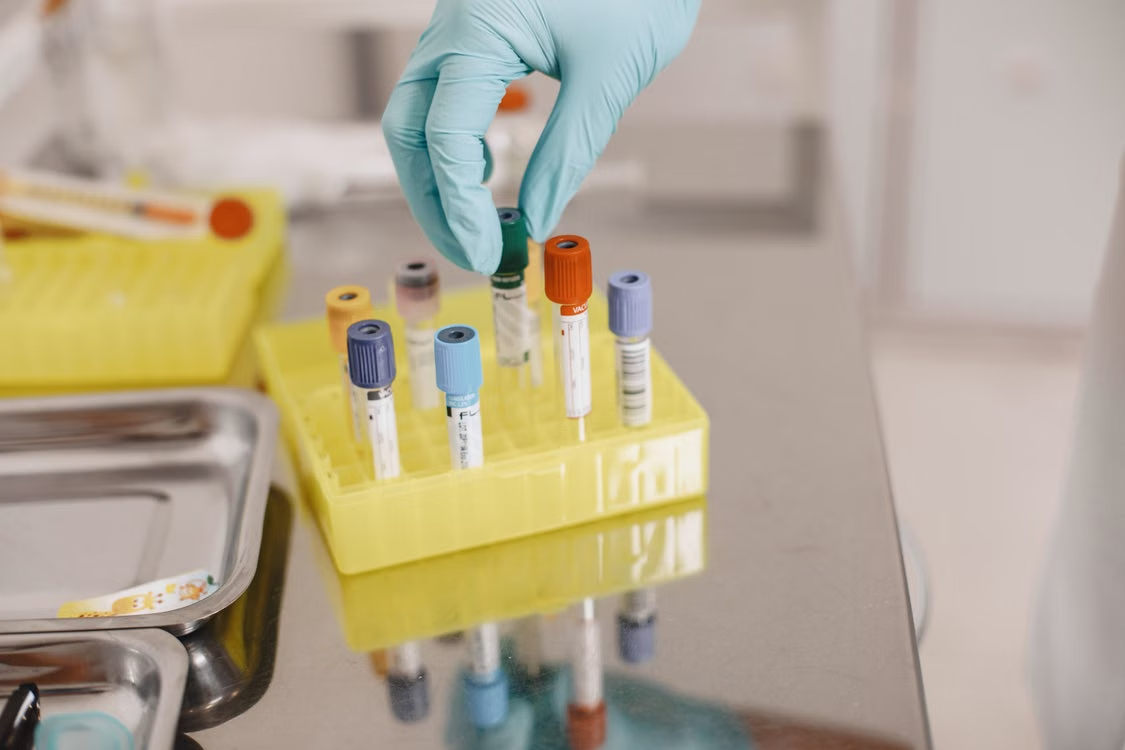
Health screening can give useful information about a person’s well-being before clear symptoms appear. Some results may show that no action is needed. Others may suggest a closer check.
Receiving an unexpected result can feel worrying. However, an unusual result does not automatically mean that a serious condition has been found. The next stage depends on what the first test showed and why further investigation may be needed.
Knowing the difference between screening and diagnostic testing can make the process easier to follow. It can also help patients understand why a doctor may recommend another test.
What Is Health Screening?
Screening looks for early signs of certain health conditions. It is often offered to people without symptoms.
The aim is to identify possible health concerns early. A result outside the expected range does not confirm that a person has the condition being checked.
It can involve blood tests, physical measurements, imaging, or other checks. The type offered depends on the condition being assessed.
Age, sex, family history, and personal risk can affect which screening programmes are available. Different conditions have different approaches, so the same checks are not suitable for everyone.
What Can a Screening Result Show?
A screening test can produce several types of result.
Some results may be reassuring, meaning no further checks are needed at that stage. Others may show that another test would be useful.
An unusual result can have several explanations. Temporary changes, health factors, or the limits of the first test may affect the outcome. That is why its result alone is usually not enough to confirm a diagnosis.
A doctor may discuss what the result means and explain whether another check is needed. If anything about the result is unclear, patients can ask their healthcare professional to explain it.
Screening and Diagnostic Testing Have Different Roles
Screening and diagnostic testing are different.
Screening looks for possible signs of a condition, often before symptoms develop. Diagnostic testing is used when a specific concern needs closer examination.
For example, a screening result may suggest that more information is needed. A doctor may then recommend a blood test, scan, or another form of assessment.
Diagnostic testing can give more detail about a particular concern. It may help a doctor decide whether a condition is present and what type of care may be suitable.
This distinction is important because an abnormal screening result does not necessarily lead to a diagnosis. Further testing may show that no condition is present.
Why Might Another Test Be Recommended?
The first check may not provide enough information to explain a result. A second test can focus on the area or medical issues in greater detail.
The type of investigation depends on what needs assessing. Blood tests can measure substances in the body. Imaging can show organs, tissues, bones, or blood vessels. Other examinations can assess how a particular part of the body is working.
A doctor may consider the person’s symptoms, medical history, previous results, and reason for the original screening when choosing the next test.
Being asked to have another check does not mean that a diagnosis has been made. It means more information is needed before a decision can be reached.
How Imaging Can Help With Further Investigation
Imaging can be useful when a symptom or test result needs a closer look.
Different scans provide different types of information. X-rays can show bones and some areas of the chest. During an ultrasound scan, sound waves produce pictures that show areas inside the body. CT scans provide detailed views of internal structures. MRI scans can show soft tissues, joints, and other areas in detail.
The choice of scan depends on what needs examining. A healthcare professional may consider symptoms, previous findings, medical history, and the area of concern.
The images then need to be reviewed by an appropriate professional. They can consider the findings alongside other clinical information before explaining the result.
Why Early Checks Matter
Early check-ups can give doctors information about possible health risks. This can help identify conditions that may develop without clear symptoms.
The World Health Organisation provides WHO cardiovascular risk facts, including information about cardiovascular disease and the value of identifying risk factors early.
Cancer care may also include screening to identify possible illness concerns. The World Health Organisation provides Global cancer screening recommendations as part of its wider information about cancer and early detection.
Its methods vary between conditions. Personal factors can also affect which checks are offered. Providers may consider age, family history, lifestyle, existing health conditions, and previous findings.
What Happens After Diagnostic Testing?
Once a diagnostic test is complete, the findings will guide what happens next.
Some results may be reassuring and require no additional action. Others may lead to a specialist appointment, another examination, or a repeat test.
Possible outcomes include:
- No further checks
- Repeat testing after a set period
- Additional imaging
- Blood tests
- Referral to a specialist
- Treatment or lifestyle advice
The recommended option depends on the findings and the person’s wellbeing.
A diagnostic test can sometimes show an unexpected change. If so, the finding may need review before you make any decision.
How to Read and Discuss Your Results
Clinical reports can contain terms that are unfamiliar to patients. Asking questions can make them easier to understand.
Useful questions include:
- What did the test show?
- Is the finding within the expected range?
- Why is another check needed?
- What does the recommended test involve?
- When should I receive more information?
- Who should I contact if I have concerns?
Patients may also find it useful to keep copies of reports, letters, and previous test results. These records can help doctors compare information over time.
Access to Diagnostic Imaging
Some patients may need imaging after a screening check or diagnostic assessment. Access can depend on the scan type, location, referral route, and available appointments.
Private imaging providers can offer another route for people who need specialist scans. Vista Health provides private diagnostic imaging services for patients seeking access to a range of scans.
Before an appointment, patients should know what the scan is for and what it involves. They should also know how the report will be shared and who will explain the findings.
When Should You Ask for More Advice?
You may need medical advice if a result is unclear or if you are unsure about the recommended course of action.
Also report symptoms that persist, worsen, or change while you wait for further assessment.
Some symptoms need urgent attention. Seek prompt assessment for sudden chest pain, severe breathing problems, sudden weakness, or other serious symptoms.
Do not use a previous result to dismiss new symptoms. Tell a professional clinician about any changes so they can decide whether you need another assessment.
Making Sense of the Process
Screening provides an early check for possible signs of a health condition. Diagnostic testing looks more closely when a symptom, finding, or screening result needs further investigation.
Not every result leads to another test. When additional checks are recommended, they can provide more information and help doctors decide what care may be suitable.
Clear explanations can make clinical results easier to understand. Asking questions, keeping relevant records, and following professional advice can help patients stay informed throughout the process.

Screening Results and Diagnostic Tests: Understanding the Next Steps After Initial Checks

Why Co-Managed IT Works Well for Businesses With Lean IT Departments

How Osteopathy Can Help Office Workers in Croydon

How to Challenge an Idea Without Losing Your Essay Argument

Who Can Be Held Liable for a Semi-Truck Accident?

How to Build a Case After a Slip and Fall in a Restaurant

A Resident’s Guidee Workers’ to the ChesapeakCompensation Hearing Office: What to Expect

What Does the Illinois Wrongful Death Act Cover? A Guide for Families

How To File For Divorce In California: A Practical Guide From A Family Law Attorney

How Estate Planning Differs From A Simple Will

Who Is Jennifer Rauchet?: All You Need To Know About Pete Hegseth’s Wife

Who Is Mindy Jennings?: All You Need To Know About Ken Jennings Wife

Who Is Klarissa Munz: The Untold Story of Freddie Highmore’s Wife

Who Is Mallory Plotnik?: The Untold Story of Phil Wickham’s Wife

Can Anything Be Done About the Skyrocketing Prices of Essential Medicines?

Who Is Enrica Cenzatti?: The Untold Story of Andrea Bocelli’s Ex-Wife

Meet Christina Erika Carandini Lee?: All You Need To Know Christopher Lee’s Daughter

Who Is Jasmine Gong?: The Life and Legacy of Brad Williams Wife

Who Is Allison Butler?: The Life and Influence of Kirk Herbstreit Wife

Who Is Terrance Michael Murphy?: Everything about Audie Murphy’s Son
Screening Results and Diagnostic Tests: Understanding the Next Steps After Initial Checks
Why Co-Managed IT Works Well for Businesses With Lean IT Departments
How Osteopathy Can Help Office Workers in Croydon
How to Challenge an Idea Without Losing Your Essay Argument
Who Can Be Held Liable for a Semi-Truck Accident?
How to Build a Case After a Slip and Fall in a Restaurant
A Resident’s Guidee Workers’ to the ChesapeakCompensation Hearing Office: What to Expect
What Does the Illinois Wrongful Death Act Cover? A Guide for Families
How To File For Divorce In California: A Practical Guide From A Family Law Attorney
How Estate Planning Differs From A Simple Will

 Celebrity2 years ago
Who Is Jennifer Rauchet?: All You Need To Know About Pete Hegseth’s Wife
- Celebrity2 years ago
Who Is Mindy Jennings?: All You Need To Know About Ken Jennings Wife
- Celebrity2 years ago
Who Is Klarissa Munz: The Untold Story of Freddie Highmore’s Wife
- Celebrity2 years ago
Who Is Mallory Plotnik?: The Untold Story of Phil Wickham’s Wife