
Food
Taking British Organic & Vegan Snacks to Dubai

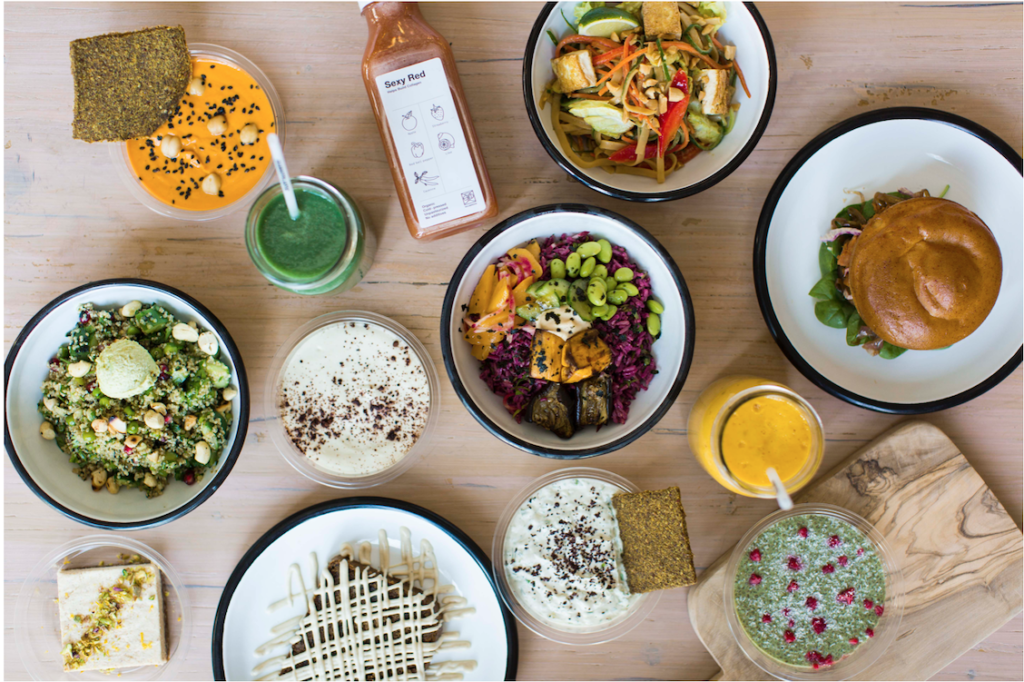
If you’ve spent time in the UK’s wellness scene — browsing Planet Organic, picking up a seed bar at Pret, or discovering a niche vegan brand on TikTok — you’ll know just how far British snack innovation has come. The UK now produces an exceptional range of organic and vegan foods: superfood bars, adaptogenic bites, gluten-free cookies, air-fried crisps, coconut-based chocolates, protein clusters, plant-based spreads, fermented snacks, and functional nibbles powered by mushrooms, botanicals, and probiotics.
Now imagine introducing that level of creativity to Dubai. As more UK founders explore business setup in Dubai, they quickly realise the city’s wellness culture is not a trend — it’s a lifestyle. Residents expect clean labels, premium ingredients, and snacks that align with gym-heavy, health-forward routines. Cafés showcase vegan pastries, supermarkets dedicate entire aisles to imported wellness brands, and luxury hotels replace traditional chocolate mints with plant-based treats.
With Dubai’s health and wellness food market projected to exceed US$4.3 billion by 2027, British organic snacks are not just welcome — they’re perfectly timed. This guide explains how UK founders can enter and scale in Dubai, from demand drivers and product fit to licensing, logistics, taxation, and why Meydan Free Zone plays a central role in making the journey smoother.
Why Dubai is actively seeking British organic and vegan brands
Wellness in Dubai is mainstream. Gyms double as social hubs, entire neighbourhoods revolve around healthy dining, and supermarkets compete aggressively to stock clean-label products. British brands arrive with a built-in advantage: UK organic standards are widely trusted, and British wellness design language — minimal, premium, purposeful — aligns closely with Dubai consumer expectations.
Demand is driven by several overlapping forces:
- Residents prioritising ingredient transparency
- A young, internationally minded population
- A booming fitness and outdoor lifestyle culture
- Cafés and restaurants committed to vegan and gluten-free menus
- Corporate offices upgrading pantry snacks
- A large expat community already familiar with UK wellness brands
This combination creates a rare environment where imported British snacks feel both aspirational and familiar.
Which British organic snacks perform best in Dubai
Dubai consumers buy with both logic and emotion. They want snacks that promise energy, purity, sustainability, or functional benefits — and British brands excel in communicating all four.
The strongest-performing categories include:
Organic snack bars and energy bites
Oat bars, date-based bites, seed clusters, protein squares, and adaptogen-infused cubes consistently rank as top sellers.
Vegan crisps and savoury snacks
Air-fried or baked crisps with clean ingredients and familiar flavours such as sea salt, cider vinegar, or herbs resonate strongly.
Organic biscuits and cookies
Gluten-free oat cookies, vegan digestives, protein cookies, and shortbread alternatives are popular in cafés and offices.
Raw chocolate and plant-based confectionery
High-cacao vegan chocolates, coconut-milk truffles, and organic indulgent bites perform well in boutique retail.
Nut butters and clean spreads
Products free from palm oil, seed oils, and refined sugars enjoy strong repeat demand.
Functional wellness snacks
Snacks featuring probiotics, mushrooms, botanicals, or nootropics speak directly to Dubai’s performance-focused consumers.
Across all categories, elegant packaging and clear messaging are essential. Dubai’s market rewards brands that look premium and communicate purpose instantly.
Getting licensed to import and sell organic snacks in Dubai
Any food product entering the UAE must be imported through a licensed entity and registered before it reaches shelves. This applies whether you’re supplying supermarkets, cafés, gyms, hotels, or selling online.
For UK founders, setting up through a free zone is the fastest and most flexible route — especially if you plan to combine importing, wholesale, e-commerce, pop-ups, and brand activations under one structure.
Why wellness brands choose Meydan Free Zone
Meydan Free Zone has become a preferred base for UK organic and vegan brands because it offers a familiar, digital-first experience. Company formation is fully online, requires only a passport, and with the Fawri business license, incorporation can be completed in under 60 minutes.
Key advantages include:
- Guaranteed IBAN through partner banks
- Access to 2,500+ business activities
- Ability to import, distribute, retail online, and run events under one license
- Streamlined visa management via mResidency
For wellness brands operating across wholesale, retail, gifting, and e-commerce, this flexibility is critical.
Product registration and packaging requirements
Every product must be registered with Dubai Municipality before import. Authorities review ingredients, allergens, nutritional information, shelf life, organic certifications, artwork, and storage conditions. UK and EU organic certifications are widely recognised, which simplifies approvals.
All products must feature bilingual English-Arabic labelling, including ingredient lists, allergens, origin, expiry dates, and storage instructions. Most British brands integrate Arabic into packaging or apply high-quality over-stickers without compromising design integrity.
Import logistics for organic and vegan snacks
Dubai’s climate makes logistics a brand-critical decision. Even shelf-stable snacks can degrade if exposed to heat, so climate-controlled handling is essential.
Many founders begin with air freight shipments of 150–300 kg to test demand and seed cafés, gyms, and retailers. As volumes stabilise, LCL sea freight improves margins for longer shelf-life products such as bars, crackers, and dried mixes.
Most organic snacks attract 5% customs duty, and storage in climate-controlled facilities typically costs AED 300–900 per pallet per month, depending on temperature and service level. Dubai also functions as a regional hub, enabling onward exports across the GCC once demand grows.
VAT, corporate tax, and the QFZP advantage
The UAE tax framework is refreshingly simple:
- VAT: 5% on UAE sales, 0% on exports
- Corporate tax: 0% on the first AED 375,000 of profit, 9% above
The strategic advantage lies in free zone structuring. A company operating from Meydan Free Zone may qualify as a Qualifying Free Zone Person (QFZP), allowing 0% corporate tax on qualifying income if compliance conditions are met.
For organic snack brands using Dubai as an export base to the GCC, a significant portion of revenue can potentially remain tax-free.
Conclusion: Dubai is ready for a wave of British organic snack brands
Dubai’s wellness market is expanding fast, and British organic and vegan brands arrive with built-in credibility, premium aesthetics, and trusted food standards. Strong purchasing power, a global consumer base, and a hospitality-led economy create ideal conditions for scale.
Pair this demand with Meydan Free Zone‘s digital setup, passport-only formation, guaranteed banking, broad activity coverage, and free zone tax advantages, and the move from UK startup to UAE wellness brand becomes not just possible — but strategically smart.
For founders ready to look beyond the UK, Dubai isn’t simply another market. It’s the market.

Hire Vetted Data Scraping Experts to Power Your Business Intelligence in 2026

The London Brands Setting Global Fashion Standards

The Psychology of Why We Love Solving Mysteries Under Pressure

Creative Ways to Level Up Your Home Gaming Environment for Friends

Understanding Image to Image Through Model Capabilities Evolution

2026 Prenup Report: Public Opinion, Misconceptions, and Motivations

Seedance 2.0 Makes AI Video Feel More Operational

Revitalize Your Skin with an Ultrasonic Skin Spatula: Tips & Benefits

Six AI Music Tools Transforming Ideas Into Usable Tracks

Planning, Building Regulations, and More for Loft Conversions in Essex

Who Is Jennifer Rauchet?: All You Need To Know About Pete Hegseth’s Wife

Who Is Mindy Jennings?: All You Need To Know About Ken Jennings Wife

Who Is Enrica Cenzatti?: The Untold Story of Andrea Bocelli’s Ex-Wife

Who Is Klarissa Munz: The Untold Story of Freddie Highmore’s Wife

Who Is Mallory Plotnik?: The Untold Story of Phil Wickham’s Wife

Meet Christina Erika Carandini Lee?: All You Need To Know Christopher Lee’s Daughter

Who Is Allison Butler?: The Life and Influence of Kirk Herbstreit Wife

Who Is Terrance Michael Murphy?: Everything about Audie Murphy’s Son

Alec Bohm Wife: Everything You Need to Know About Jacque Darby

Who Is Jessica Marie Blosil?: Everything About Marie Osmond’s Daughter
Hire Vetted Data Scraping Experts to Power Your Business Intelligence in 2026
The London Brands Setting Global Fashion Standards
The Psychology of Why We Love Solving Mysteries Under Pressure
Creative Ways to Level Up Your Home Gaming Environment for Friends
Understanding Image to Image Through Model Capabilities Evolution
2026 Prenup Report: Public Opinion, Misconceptions, and Motivations
Seedance 2.0 Makes AI Video Feel More Operational
Revitalize Your Skin with an Ultrasonic Skin Spatula: Tips & Benefits
Six AI Music Tools Transforming Ideas Into Usable Tracks
Planning, Building Regulations, and More for Loft Conversions in Essex
-
 Celebrity1 year ago
Who Is Jennifer Rauchet?: All You Need To Know About Pete Hegseth’s Wife
-
 Celebrity1 year ago
Who Is Mindy Jennings?: All You Need To Know About Ken Jennings Wife
-
 Celebrity1 year ago
Who Is Enrica Cenzatti?: The Untold Story of Andrea Bocelli’s Ex-Wife
-
 Celebrity2 years ago
Who Is Klarissa Munz: The Untold Story of Freddie Highmore’s Wife