
Health
The Healing Power of Physical Activity in Addiction Recovery: A Holistic Approach to Sobriety

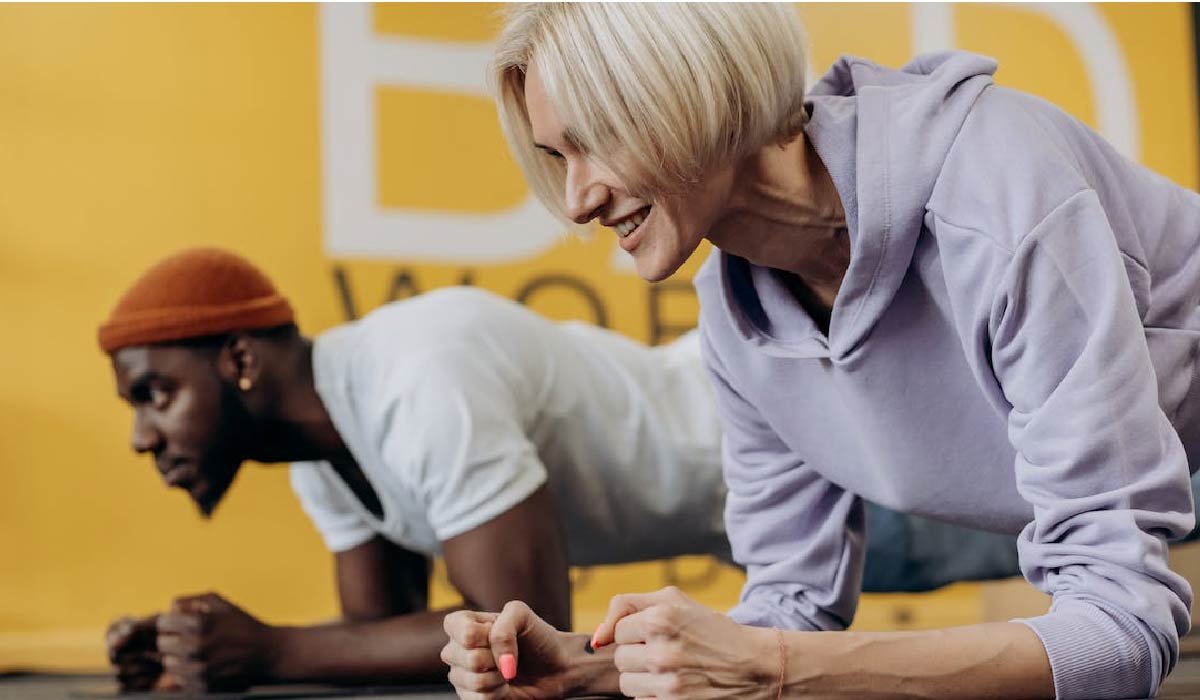
Many people mistakenly assume that detoxification is the final step in their addiction recovery process; however, detoxification is only part of achieving sobriety. In order to attain sobriety, one must learn to cope with the temptations of addiction every day, learn how to create a new, healthy life each day, and overcome everyday challenges along the journey to sobriety. The role of exercise is vital in creating the conditions necessary for sustained addiction recovery and to prepare the body for success in shifting toward a healthier, happier lifestyle.
For many individuals, long-term sobriety is strongest when healthy habits like exercise are combined with structured clinical support from an experienced addiction treatment center.
In this article, the relationship between exercise and addiction recovery will be explored. It will be demonstrated through scientific studies that demonstrate how exercise can lead to a healthier brain wiring, improve emotional health, and create an improved support system for an individual who is working to become “sober.” After reading this article, you will realize that regular exercise plays an essential role in helping you to maintain your sobriety
Biological Foundations: How Exercise Rewires the Addicted Brain
One of the long-term effects of addiction is the way that drugs and alcohol impact the brain. While they hijack the brain’s reward systems, exercise provides a balance that does not harm the addict. This can help them regain their ability to experience joy in other activities, such as eating, spending time with others, etc.
Natural Dopamine Regulation and Reward Pathways
Constantly using addictive substances will diminish the user’s dopamine levels from other activities and will lead to a craving for that ‘quick fix’ from drugs. Aerobic exercises like running or jogging produce a steady flow of dopamine that rebuilds the brain’s ability to feel pleasure from normal rewards. Studies have shown a correlation between working out regularly and improved neuroplasticity in the brain. So, as the brain ages, it develops new connections or paths. A recent review published in 2023 of the Journal of Addiction Medicine found that people who were in recovery from addiction, who worked out three times per week, experienced an increased stability of mood. Resistance training (lifting weights etc.) produces a similar effect by creating stronger connections with each repetition.
Just as a person must retrain their muscles after an injury, a person can rebuild their brain’s capacity to feel pleasure from exertion. By continuing to perform activities that stimulate dopamine production, this will eventually lessen the enjoyment of old habits.
Reducing Cravings Through Endorphin Release
Initially, you will have trouble recovering as your cravings will be heightened, becoming like a scratch that you can never get rid of. Exercise will assist you in easing these cravings because when you exercise, your body releases a lot of endorphins. Endorphins allow for relief from physical pain, plus they cause individuals (the person) to view themselves in a more positive light.
Endorphins are an effective pain reliever and therefore may help replace the ‘high’ you used to feel from drugs without the associated harmful effects of those same drugs. According to a study conducted by the American Psychological Association, it was discovered that individuals who were addicted to drugs experienced a decrease in their cravings by approximately 40% after performing moderate-intensity exercise. When individuals participate in vigorous-intensity activities (e.g., cycling, running, etc.), they can have even more of a protective effect against relapse into drug abuse.
Running a marathon is not necessary – as long as you do something to get your heart rate elevated, even if it’s only low-intensity exercise, your body will release endorphins. Exercise provides a way to cope with the stress and uneasiness of your recovery process in a very healthy manner.
Social Integration and Community Building Through Movement
Addiction thrives in isolation. You hide from others to use. Physical activity pulls you back into the world.
Replacing Isolation with Structured Social Interaction
Feeling Alone Will Lead to Relapsing & Going To Group Exercise & Making Sober Connections Will Avoid This (Join A Soccer Team Or Spin Class):
Group Exercise Builds Trust Through Hard Work Together……….. The Phoenix Recovery Program In The United States Provides Group Hikes…………….. Participants In The Phoenix Recovery Program Report Having Larger Support Networks Within 6-Months Compared To Individuals Who Were Still Going To Bars Before Enrolling In The Program. Instead of Being Surrounded By Bar Scene Friends, Participants Who Attend Group Hikes Were Surrounded By People Who Are On The Same Path To Recovery, Giving Participants Friends Who Understand Their Journey & Friends Who Lift Them Up & Encourage Them To Continue On Their Path.
Rebuilding Trust and Accountability Structures
People in active addiction repeatedly break promises to others and to themselves. Having a partner to work out with helps to repair that. Make a commitment to showing up for one another. A missed training session may hurt your feelings. This type of accountability helps to create an element of enjoyment in your workout; however, the long term benefit is the restoration of faith in a workout routine.
You build trust by being accountable and reliable. Although your commitment to your workout partner may seem like a small act, it has a significant impact.
Establishing Healthy Daily Routines
When you’re in the early stages of recovery, life can feel disorganized and unstructured so it is important to have a schedule that provides stability. Scheduling your exercise is still another fixed point in your schedule that gives you a sense of purpose and stability during this time of adjustment.
It’s also important to remember that addiction and mental health challenges often overlap. For individuals working through anxiety, depression, trauma, or other conditions alongside substance use recovery, focusing on bolstering mental well-being can significantly improve long-term outcomes.
Begin your daily exercise schedule by scheduling an early morning run or walk before you eat breakfast. This type of activity will help you feel energized throughout the day and will help you develop the habit of exercising at the same time every day. After doing that, schedule other activities for the day including meals, meetings, and times for rest. If you establish a daily routine of exercise, you will likely have fewer chances of having a slip-up.
Eventually, daily routines will become habits, thus creating a strong foundation for the establishment of a new lifestyle after you have achieved sobriety.
Conclusion: The Long-Term Return on Investment in Physical Health
Addiction recovery is positively influenced through three areas of physical activity. The balancing of chemical imbalances helps to reduce cravings for substances. Movement strengthens resilience from thoughts of shame and doubt. Movement allows you to reconnect to the community you once belonged to.
Incorporate physical activity into your plan rather than putting it on the side. You can speak to a qualified professional about how to include this type of activity in your recovery plan so that you will have a more complete life.
The benefit of physical activity is a continuous cycle of improving overall health that leads to improved emotional resilience in your body and improved emotional resilience in your mind leading to maintaining long-term recovery from addiction. Get started with moving your body every day. The future, sober you, will be thankful.

Why Preventive Dental Planning Matters For Households

Why Parasite Prevention Is A Central Focus In Veterinary Clinics

Common Mistakes People Make When Buying Paneer Cheese

7 Smart Reasons Designer Radiators Are Becoming a Must-Have in Modern UK Homes

Heavy Towing Near Me: Fast, Safe, and Reliable Solutions for Heavy-Duty Vehicle Recovery

From Messaging App to Digital Ecosystem: The Evolution of Telegram

The Future of Money Is Not Cashless — It’s Frictionless

Chinese Furniture Manufacturers: Why OPPEIN Stands Out Globally

Hire Vetted Data Scraping Experts to Power Your Business Intelligence in 2026

The London Brands Setting Global Fashion Standards

Who Is Jennifer Rauchet?: All You Need To Know About Pete Hegseth’s Wife

Who Is Mindy Jennings?: All You Need To Know About Ken Jennings Wife

Who Is Enrica Cenzatti?: The Untold Story of Andrea Bocelli’s Ex-Wife

Who Is Klarissa Munz: The Untold Story of Freddie Highmore’s Wife

Who Is Mallory Plotnik?: The Untold Story of Phil Wickham’s Wife

Meet Christina Erika Carandini Lee?: All You Need To Know Christopher Lee’s Daughter

Who Is Allison Butler?: The Life and Influence of Kirk Herbstreit Wife

Who Is Terrance Michael Murphy?: Everything about Audie Murphy’s Son

Alec Bohm Wife: Everything You Need to Know About Jacque Darby

Who Is Jessica Marie Blosil?: Everything About Marie Osmond’s Daughter
Why Preventive Dental Planning Matters For Households
Why Parasite Prevention Is A Central Focus In Veterinary Clinics
Common Mistakes People Make When Buying Paneer Cheese
7 Smart Reasons Designer Radiators Are Becoming a Must-Have in Modern UK Homes
Heavy Towing Near Me: Fast, Safe, and Reliable Solutions for Heavy-Duty Vehicle Recovery
From Messaging App to Digital Ecosystem: The Evolution of Telegram
The Future of Money Is Not Cashless — It’s Frictionless
Chinese Furniture Manufacturers: Why OPPEIN Stands Out Globally
Hire Vetted Data Scraping Experts to Power Your Business Intelligence in 2026
The London Brands Setting Global Fashion Standards
-
 Celebrity1 year ago
Who Is Jennifer Rauchet?: All You Need To Know About Pete Hegseth’s Wife
-
 Celebrity1 year ago
Who Is Mindy Jennings?: All You Need To Know About Ken Jennings Wife
-
 Celebrity1 year ago
Who Is Enrica Cenzatti?: The Untold Story of Andrea Bocelli’s Ex-Wife
-
 Celebrity2 years ago
Who Is Klarissa Munz: The Untold Story of Freddie Highmore’s Wife