
Health
The Role of Home Care Services in Supporting Mental Well-being for Seniors

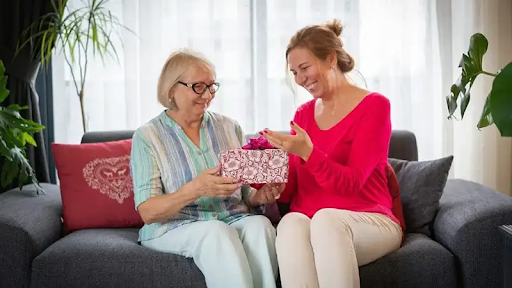
Growing older brings many changes, some welcome, others challenging. While physical health often takes the spotlight, mental well-being is equally important for seniors’ quality of life. Loneliness, anxiety, and social isolation can have a significant impact on emotional health, particularly for older adults living alone or with limited social interaction.
Home care services play a crucial role in addressing these challenges, providing not only practical support but also meaningful companionship that nurtures mental and emotional well-being.
Why Mental Wellbeing Matters in Later Life
Good mental health isn’t simply the absence of distress; it’s a sense of purpose, connection, and emotional balance. When seniors feel socially isolated or unsupported, they face a higher risk of depression, anxiety, cognitive decline, and even physical health issues.
Studies show that chronic loneliness and social isolation can significantly impact overall health, to the extent that some public health experts compare their effects to those of smoking in terms of long-term risk. This underscores just how essential social connection and engagement are for well-being in later life.
How Home Care Services Help Support Mental Well-being
Home care services can be a lifeline for older adults by offering personalised support that goes beyond basic tasks. When care is tailored to a person’s needs, it helps maintain dignity, independence, and emotional stability. A key aspect of this is companionship care at home, spending quality time with seniors, engaging in meaningful conversation, and simply being there as a friendly presence.
1. Companionship Care for the Elderly Supports Emotional Health
One of the greatest gifts seniors can receive is companionship. Companionship care for elderly individuals helps reduce feelings of loneliness and social isolation by fostering regular social interaction. Whether it’s sharing a hobby, going for a walk, or reminiscing over family photos, these connections help nurture emotional well-being and reinforce a sense of belonging.
2. Encouraging Daily Engagement and Routine
Routine offers comfort, predictability, and a sense of purpose. Caregivers can help seniors continue everyday activities, such as preparing meals, doing light exercise, or enjoying a cup of tea and conversation, without taking over. This balance between assistance and autonomy can uplift motivation and self-confidence, which are critical for mental well-being.
3. Creating a Safe, Familiar Environment
Remaining in a familiar home environment enhances comfort and security. For many seniors, this sense of safety directly reduces anxiety and stress. Home care providers help individuals remain in the places they cherish, preserving memories and treasured routines that contribute to mental peace.
4. Tailored Support for Cognitive Stimulation
Staying mentally active matters at every age. Care professionals often incorporate activities like games, puzzles, reading, or discussions into daily care plans. Such engagement not only stimulates cognitive function but also creates enjoyable moments of connection and learning, important pillars of well-being.
Benefits of Private Home Care for Seniors
Choosing private home care services offers advantages that go far beyond physical assistance:
- Personalised attention: Caregivers tailor support to each senior’s routines, preferences, and unique needs, helping maintain independence and dignity.
- Stronger emotional bonds: Regular interaction fosters trust and stability, boosting emotional well-being and reducing feelings of loneliness.
- Flexible scheduling: Care at home services can be arranged around hobbies, social engagements, and daily activities, keeping seniors engaged and active.
- Family involvement and peace of mind: Families can remain involved in care while knowing their loved one is supported consistently and compassionately.
These benefits highlight why many families value elderly companion care as an essential part of maintaining seniors’ emotional and mental well-being, helping them feel connected, purposeful, and cared for every day.
Finding the Right Care at Home Services
When selecting care services, it’s important to choose providers who offer both emotional and social support alongside practical assistance. Ask about the types of support they provide, including companionship, and whether care plans can be tailored to meet the individual needs of the senior. A thoughtful home care provider works with families to ensure services adapt as needs evolve, creating a supportive environment that fosters independence and emotional well-being.
For example, some families turn to Choice Care 4U, which offers personalised care at home services that combine practical help with companionship home care, helping seniors feel valued, engaged, and supported in their daily lives.
Mental Wellbeing Is a Holistic Journey
Supporting seniors’ mental health isn’t just about preventing illness; it’s about fostering joy, connection, and a sense of purpose every day. Companionship home care and personalised care at home services provide more than practical support; they offer meaningful social interaction, conversation, and engagement in activities that seniors enjoy.
These connections help reduce loneliness, improve mood, and maintain cognitive and emotional health. By addressing both emotional and physical needs, home care services empower older adults to remain independent, engaged, and fulfilled, allowing them to continue living enriching, connected lives in the comfort of their own homes.

The Best 5 Free AI Photo Editor Platforms

Transition and transformation: The New Worksite Machinery

7 Aesthetic Accessories That Instantly Elevate Your Outfit

4 Benefits Of Having A Dedicated Tax Accountant For Your Business

How Firms Adapt Their Services To Regulatory And Market Shifts

Medical Device Prototyping Services: Faster Development Without Compromising Quality

How to Extend the Lifespan of Industrial Hydraulic Components

The Vital Role Of General Dentistry In Lifelong Oral Health

How to Choose the Right Mousepad desk mats for Your Desk Layout

How Rocket Canopy Windproof Walls Protect Your Booth in Harsh Weather

Who Is Jennifer Rauchet?: All You Need To Know About Pete Hegseth’s Wife

Who Is Mindy Jennings?: All You Need To Know About Ken Jennings Wife

Who Is Enrica Cenzatti?: The Untold Story of Andrea Bocelli’s Ex-Wife

Who Is Klarissa Munz: The Untold Story of Freddie Highmore’s Wife

Who Is Mallory Plotnik?: The Untold Story of Phil Wickham’s Wife

Meet Christina Erika Carandini Lee?: All You Need To Know Christopher Lee’s Daughter

Who Is Allison Butler?: The Life and Influence of Kirk Herbstreit Wife

Who Is Terrance Michael Murphy?: Everything about Audie Murphy’s Son

Alec Bohm Wife: Everything You Need to Know About Jacque Darby

Who Is Jessica Marie Blosil?: Everything About Marie Osmond’s Daughter
The Best 5 Free AI Photo Editor Platforms
Transition and transformation: The New Worksite Machinery
7 Aesthetic Accessories That Instantly Elevate Your Outfit
4 Benefits Of Having A Dedicated Tax Accountant For Your Business
How Firms Adapt Their Services To Regulatory And Market Shifts
Medical Device Prototyping Services: Faster Development Without Compromising Quality
How to Extend the Lifespan of Industrial Hydraulic Components
The Vital Role Of General Dentistry In Lifelong Oral Health
How to Choose the Right Mousepad desk mats for Your Desk Layout
How Rocket Canopy Windproof Walls Protect Your Booth in Harsh Weather
-
 Celebrity2 years ago
Who Is Jennifer Rauchet?: All You Need To Know About Pete Hegseth’s Wife
-
 Celebrity1 year ago
Who Is Mindy Jennings?: All You Need To Know About Ken Jennings Wife
-
 Celebrity2 years ago
Who Is Enrica Cenzatti?: The Untold Story of Andrea Bocelli’s Ex-Wife
-
 Celebrity2 years ago
Who Is Klarissa Munz: The Untold Story of Freddie Highmore’s Wife