
Blog
The Significance of Ancestral Tablets and Pedestals in Honoring Loved Ones

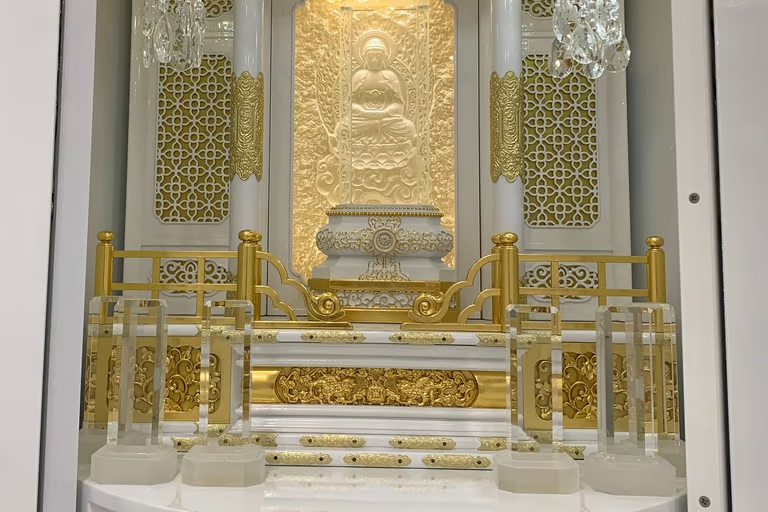
In cultures around the world, the reverence for ancestors plays a pivotal role in shaping identities, traditions, and communal ties. Among the various expressions of this veneration, ancestral tablets and pedestals stand out as profound symbols of respect and remembrance. These artifacts serve not only as physical markers of familial lineage but also as conduits of spiritual connection, embodying the enduring bonds between the living and the deceased. By design, ancestral tablets are imbued with rich symbolism and often intricately inscribed with names, dates, and meaningful imagery, encapsulating the legacy of loved ones who have passed. Similarly, pedestals create a dedicated space for reflection and tribute, encouraging the living to engage in rituals that honor their ancestors’ contributions and teachings. The ancestral tablet services at Nirvana Memorial Garden provide families with a meaningful way to honor their ancestors through respectful traditions and lasting remembrance. In examining the significance of these practices, this article delves into their historical roots, cultural variations, and the psychological benefits they confer upon individuals and communities. As modern society grapples with the challenges of loss and disconnection, the cultivation of ancestral remembrance through tablets and pedestals emerges as a powerful means of fostering continuity, healing, and a deeper understanding of one’s heritage. Through this exploration, we aim to highlight the enduring importance of honoring those who came before us.
Understanding Ancestral Tablets’ Cultural Importance
Ancestral tablets serve as vital cultural artifacts that embody the respect and reverence communities hold for their forebearers. These objects act as tangible representations of familial lineage and heritage, creating a space where the living can connect with their roots. Traditionally, they are displayed prominently in homes and during rituals, reinforcing the bonds between generations and allowing individuals to honor their ancestors in a meaningful way. The act of maintaining these tablets often involves ceremonial practices that highlight the cultural values associated with memory, respect, and continuity, ensuring that the teachings and legacies of previous generations endure.
Furthermore, the practice of venerating ancestral tablets underscores the communal aspect of cultural identity. These tablets are not merely personal to each family; they symbolize a collective history that is shared among members of a community. Annual memorial services and specific rites associated with the tablets strengthen social ties and foster a sense of belonging among participants. Through these rituals, stories of ancestors are passed down, enriching the cultural narrative and reinforcing the moral and ethical frameworks that guide contemporary life. In this way, ancestral tablets play a crucial role in preserving cultural heritage while also nurturing intergenerational connections within society.
Choosing Appropriate Pedestals for Memorials
When selecting pedestals for memorials, it is essential to consider not only the aesthetic appeal but also the durability and significance of the materials used. Pedestals should complement the ancestral tablets they support, enhancing their visual impact while providing a stable foundation. The choice of material whether wood, stone, or metal must reflect both the cultural traditions and personal preferences of the family, ensuring that the memorial resonates with the values and history it represents. Additionally, the dimensions and design of the pedestal should allow for proper visibility and accessibility, inviting family members and visitors to engage with the memorial in a respectful manner.
Incorporating symbolic elements into the pedestal design can further deepen the connection to ancestral heritage. This might include carvings, inscriptions, or motifs that pay homage to the family’s cultural background or the legacy of the ancestors being honored. By thoughtfully selecting pedestals that align with these considerations, families can create a cohesive and dignified memorial space that not only preserves the memory of their loved ones but also fosters a continual sense of connection to their lineage and community.
Rituals Involving Ancestral Tablets and Pedestals
Ceremonies centered around ancestral tablets and their accompanying pedestals often serve as profound expressions of reverence and continuity within families. These rituals typically involve the gathering of relatives to engage in activities such as lighting incense, offering food, and reciting prayers or affirmations. Such practices not only reaffirm familial bonds but also create a sacred space where memories can be shared and legacies celebrated. During these gatherings, participants may reflect on the qualities and achievements of their ancestors, fostering a sense of belonging and identity that transcends generations.
The rituals can vary significantly across cultures, yet they uniformly emphasize the importance of remembrance and gratitude. The ancestral tablet, often inscribed with names and significant dates, acts as a focal point for these observances, drawing attention to the lineage and heritage of the family. As individuals partake in these rites, they not only honor those who came before but also reinforce their commitment to uphold the values imparted by their ancestors, thereby ensuring that their teachings remain vital within the fabric of contemporary life.
Personalizing Ancestral Tablets for Connection
Customization of ancestral tablets plays a pivotal role in enhancing the emotional and spiritual connection to one’s lineage. By incorporating unique elements such as personal inscriptions, symbols, or images that reflect the individual’s relationship with their ancestors, these tablets become more than mere markers; they transform into personalized heirlooms that resonate deeply with family history. This tailored approach not only honors the specific traits and legacies of the forebears but also invites future generations to engage with their ancestry on a more intimate level.
Furthermore, the process of personalizing these tablets fosters a sense of responsibility and stewardship among family members. When individuals take the time to reflect on the qualities they wish to commemorate or the stories they want to pass down, it encourages a deeper understanding of their heritage. This intentionality cultivates an environment where members feel connected not only to the past but also to each other, reinforcing the collective identity of the family while ensuring that the narratives of their ancestors continue to be cherished and celebrated.
Maintaining Ancestral Tablets’ Significance Over Time
As families gather to honor their ancestors, the act of maintaining these tablets becomes a shared ritual, imbuing the experience with collective meaning. Ensuring the physical upkeep and relevance of ancestral tablets, whether through proper care, regular cleaning, or the integration of contemporary practices, emphasizes their importance within the family narrative and serves as a continual reminder of the values and lessons imparted by those who came before.
Maintaining the significance of ancestral tablets also involves adapting their representation to reflect the evolving identity of the family. As new members join or familial circumstances change, the tablets can be reinterpreted to include modern elements that resonate with contemporary values while still paying homage to traditional beliefs. This balance between honoring the past and embracing the present empowers families to create a living legacy that remains relevant, ensuring that respect for their heritage endures through time. In this way, ancestral tablets serve not only as static memorials but as dynamic symbols of lineage that inspire ongoing reflection and connection among family members.
Conclusion
Ancestral tablets and pedestals serve as profound symbols of reverence and remembrance, connecting generations while preserving cultural heritage. These artifacts not only honor the memory of loved ones but also reinforce familial bonds and community ties. By incorporating these traditions into modern practices, we cultivate a deeper appreciation for our roots and the values that shape our identities. As we continue to pay homage to those who came before us, we ensure that their legacies endure, guiding us in our present and future endeavors. Embracing the significance of ancestral tablets and pedestals enriches our lives, fostering a sense of belonging and continuity that is essential in today’s fast-paced world.

The Best 5 Free AI Photo Editor Platforms

Transition and transformation: The New Worksite Machinery

7 Aesthetic Accessories That Instantly Elevate Your Outfit

4 Benefits Of Having A Dedicated Tax Accountant For Your Business

How Firms Adapt Their Services To Regulatory And Market Shifts

Medical Device Prototyping Services: Faster Development Without Compromising Quality

How to Extend the Lifespan of Industrial Hydraulic Components

The Vital Role Of General Dentistry In Lifelong Oral Health

How to Choose the Right Mousepad desk mats for Your Desk Layout

How Rocket Canopy Windproof Walls Protect Your Booth in Harsh Weather

Who Is Jennifer Rauchet?: All You Need To Know About Pete Hegseth’s Wife

Who Is Mindy Jennings?: All You Need To Know About Ken Jennings Wife

Who Is Enrica Cenzatti?: The Untold Story of Andrea Bocelli’s Ex-Wife

Who Is Klarissa Munz: The Untold Story of Freddie Highmore’s Wife

Who Is Mallory Plotnik?: The Untold Story of Phil Wickham’s Wife

Meet Christina Erika Carandini Lee?: All You Need To Know Christopher Lee’s Daughter

Who Is Allison Butler?: The Life and Influence of Kirk Herbstreit Wife

Who Is Terrance Michael Murphy?: Everything about Audie Murphy’s Son

Alec Bohm Wife: Everything You Need to Know About Jacque Darby

Who Is Jessica Marie Blosil?: Everything About Marie Osmond’s Daughter
The Best 5 Free AI Photo Editor Platforms
Transition and transformation: The New Worksite Machinery
7 Aesthetic Accessories That Instantly Elevate Your Outfit
4 Benefits Of Having A Dedicated Tax Accountant For Your Business
How Firms Adapt Their Services To Regulatory And Market Shifts
Medical Device Prototyping Services: Faster Development Without Compromising Quality
How to Extend the Lifespan of Industrial Hydraulic Components
The Vital Role Of General Dentistry In Lifelong Oral Health
How to Choose the Right Mousepad desk mats for Your Desk Layout
How Rocket Canopy Windproof Walls Protect Your Booth in Harsh Weather
-
 Celebrity2 years ago
Who Is Jennifer Rauchet?: All You Need To Know About Pete Hegseth’s Wife
-
 Celebrity1 year ago
Who Is Mindy Jennings?: All You Need To Know About Ken Jennings Wife
-
 Celebrity2 years ago
Who Is Enrica Cenzatti?: The Untold Story of Andrea Bocelli’s Ex-Wife
-
 Celebrity2 years ago
Who Is Klarissa Munz: The Untold Story of Freddie Highmore’s Wife