
Tech
Top 9 Benefits of Cyber Security Services for Small Businesses

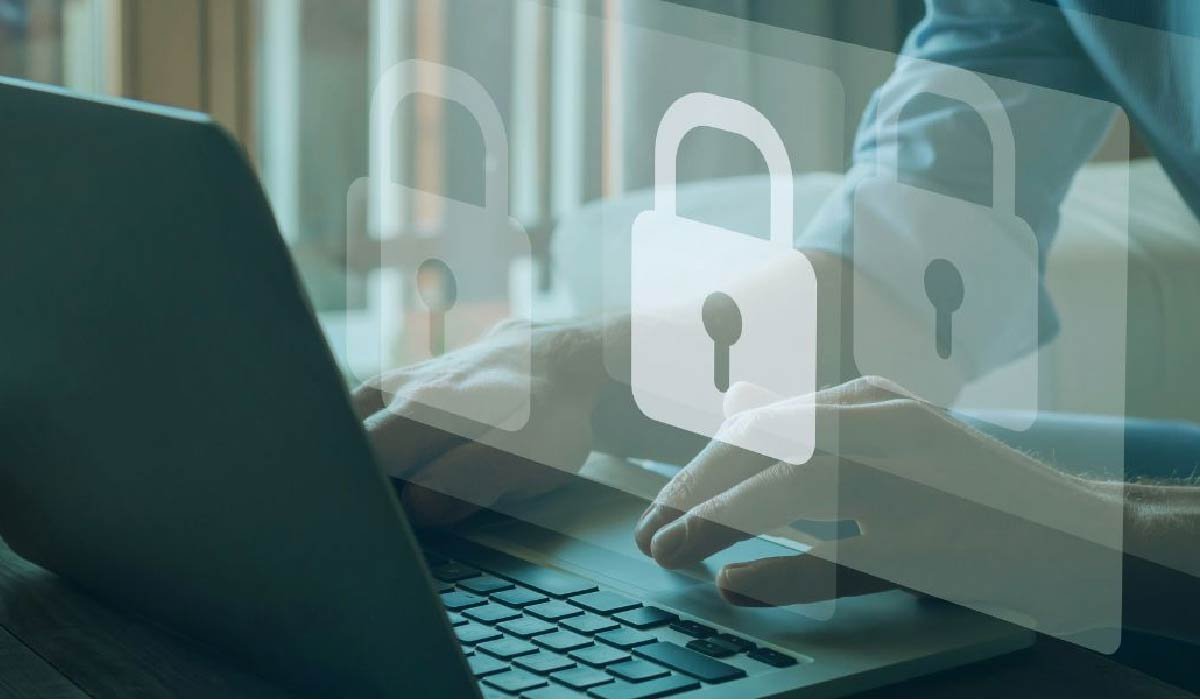
Cyber security services provide the framework small businesses need to protect their digital assets. They focus on identifying weak spots, monitoring for threats, and quickly responding to incidents. This proactive approach can be the difference between minor hiccups and a major crisis.
Businesses of all sizes need to take it seriously, but small enterprises face unique challenges when resources are limited. Rising attacks on smaller organizations highlight how crucial it is to have well-structured defenses in place.
The Evolving Threat Landscape for Small Enterprises
Many digital criminals have learned that small businesses often lack the extensive defenses of larger organizations. This knowledge makes smaller enterprises an appealing target, especially when these companies process sensitive information but don’t have the resources for expensive security infrastructure. Attackers regularly adapt their methods, taking advantage of human error, outdated software, or weak credentials to break in with minimal effort.
Experts report an increased prevalence of ransomware, phishing, and targeted malware campaigns aimed at local firms. If these threats remain unchecked, the consequences can be devastating for both finances and reputation.
Why Proactive Cyber Security Measures Are Essential
A passive “it won’t happen to us” outlook is risky when digital threats grow more sophisticated each day. Proactive solutions keep businesses on the offense, eliminating or reducing vulnerabilities before attackers exploit them. They also allow for swift detection, ensuring any breach attempts are identified and neutralized early, saving valuable time and resources.
Prioritizing cyber security demonstrates professionalism, protects brand credibility, and reduces the stress of constant uncertainty. It’s a foundation that helps small enterprises stay productive and stay ready for whatever new risks surface in the digital world.
-
Safeguarding Against Data Breaches in 2025
Data breaches can expose sensitive customer details and proprietary information, causing both financial and reputational harm. Cyber security services help plug the holes that hackers might exploit, reducing the likelihood of breaches and swiftly containing them if they occur. This can involve layering controls like firewalls, endpoint protection, and intrusion detection systems.
By staying one step ahead of attackers, small businesses can avoid downtime, legal troubles, and the erosion of trust that follows a breach. Stories of small firms struggling to recover emphasize the serious repercussions when defenses are inadequate.
-
Enhanced Customer Trust and Loyalty
When clients feel their information is safe, they’re more likely to stay loyal and spread the word. Cyber security services help build confidence by protecting the data customers share, such as payment details or personal profiles. A robust security posture also signals professionalism and diligence, qualities that resonate with buyers.
Over time, a stellar security record can strengthen customer relationships. That trust becomes a key differentiator in a crowded marketplace.
-
Financial Savings and Cost Management
Small businesses often operate on slim margins, so avoiding major losses is vital. By minimizing exposure to attacks, cyber security services save companies from the financial pain of lawsuits, settlements, and regulatory fines. Managed service packages also help predict monthly costs, supporting better budgeting and preventing hidden IT expenses.
Investing in security tools and expertise is typically less expensive than cleaning up after a serious incident. This proactive mindset keeps precious resources focused on growth instead of crisis management.
-
Operational Continuity and Resilience
Cyber incidents can knock out systems, forcing employees to halt projects or scramble for temporary solutions. A strong security setup includes redundancy measures, backup plans, and rapid incident response. These elements ensure that disruptions remain short-lived and don’t escalate into extended downtime.
Maintaining smooth operations helps preserve customer satisfaction and protects revenue streams. Real-world examples show how businesses with robust contingency plans can bounce back swiftly, avoiding weeks of setbacks.
-
Compliance with Regulatory Requirements
Regulations like GDPR or CCPA outline how companies must handle personal data. Cyber security services help align processes with these laws, reducing the risk of noncompliance penalties. This often involves systematic approaches to data encryption, storage, and access, ensuring all bases are covered.
By taking compliance seriously, businesses show respect for user privacy and dodge potential legal repercussions. Thorough documentation and regular audits further solidify the organization’s commitment to safety.
-
Competitive Advantage in the Marketplace
In today’s digital space, being able to keep yourself protected is a win. Clients increasingly choose partners who can demonstrate strong data protection, making security a valuable selling point. A solid cyber strategy also signals that your business is forward-thinking and ready to address modern risks.
These factors create a competitive edge. Strong defenses keep your organization out of embarrassing headlines and reassure prospective customers who value peace of mind.
-
Proactive Threat Detection and Response
Waiting for an attack to happen is risky and can lead to devastating outcomes. By using advanced monitoring tools and threat intelligence, cyber security services spot suspicious activities before they spiral into full-blown crises. Managed services often provide 24/7 support, ensuring that threats are quickly contained regardless of the time they strike.
Over time, this vigilant stance reduces vulnerabilities and keeps systems healthy. Documented success stories reveal how early detection prevents costly damage and safeguards business reputations.
-
Employee Training and Awareness
-
Scalability and Flexibility of Cyber Security Solutions
As a business grows, its security needs expand too. Flexible solutions let you scale up or down, making sure protection always matches the current threat level and budget constraints. Tailored services can address specific vulnerabilities, ensuring resources are allocated effectively.
By planning ahead and embracing adaptable cyber security measures, small enterprises stay agile. Preparing for next-generation threats keeps them ready for whatever challenges lie on the horizon.
Investing in Cyber Security Services is the Way Forward
Cyber security services give small businesses the peace of mind to focus on what they do best. When your data stays safe, you can nurture loyal customers, meet regulatory demands, and gain a stronger foothold against competitors. Now is an ideal moment to review your existing defenses and pinpoint any gaps or areas needing improvement.
By exploring reputable resources, you’ll find fresh insights and tools that fit your organization’s needs. Investing in cyber security today lays the foundation for a safer, more confident tomorrow. You can start by looking at partners like Devsinc that have a proven track record of delivering professional IT projects across industries worldwide to over 200+ organizations.

How Firms Adapt Their Services To Regulatory And Market Shifts

Medical Device Prototyping Services: Faster Development Without Compromising Quality

How to Extend the Lifespan of Industrial Hydraulic Components

How On-Demand Delivery Can Double Your Sales

The Vital Role Of General Dentistry In Lifelong Oral Health

How to Choose the Right Mousepad desk mats for Your Desk Layout

How Rocket Canopy Windproof Walls Protect Your Booth in Harsh Weather

Why Preventive Dental Planning Matters For Households

Why Parasite Prevention Is A Central Focus In Veterinary Clinics

Common Mistakes People Make When Buying Paneer Cheese

Who Is Jennifer Rauchet?: All You Need To Know About Pete Hegseth’s Wife

Who Is Mindy Jennings?: All You Need To Know About Ken Jennings Wife

Who Is Enrica Cenzatti?: The Untold Story of Andrea Bocelli’s Ex-Wife

Who Is Klarissa Munz: The Untold Story of Freddie Highmore’s Wife

Who Is Mallory Plotnik?: The Untold Story of Phil Wickham’s Wife

Meet Christina Erika Carandini Lee?: All You Need To Know Christopher Lee’s Daughter

Who Is Allison Butler?: The Life and Influence of Kirk Herbstreit Wife

Who Is Terrance Michael Murphy?: Everything about Audie Murphy’s Son

Alec Bohm Wife: Everything You Need to Know About Jacque Darby

Who Is Jessica Marie Blosil?: Everything About Marie Osmond’s Daughter
How Firms Adapt Their Services To Regulatory And Market Shifts
Medical Device Prototyping Services: Faster Development Without Compromising Quality
How to Extend the Lifespan of Industrial Hydraulic Components
How On-Demand Delivery Can Double Your Sales
The Vital Role Of General Dentistry In Lifelong Oral Health
How to Choose the Right Mousepad desk mats for Your Desk Layout
How Rocket Canopy Windproof Walls Protect Your Booth in Harsh Weather
Why Preventive Dental Planning Matters For Households
Why Parasite Prevention Is A Central Focus In Veterinary Clinics
Common Mistakes People Make When Buying Paneer Cheese
-
 Celebrity1 year ago
Who Is Jennifer Rauchet?: All You Need To Know About Pete Hegseth’s Wife
-
 Celebrity1 year ago
Who Is Mindy Jennings?: All You Need To Know About Ken Jennings Wife
-
 Celebrity1 year ago
Who Is Enrica Cenzatti?: The Untold Story of Andrea Bocelli’s Ex-Wife
-
 Celebrity2 years ago
Who Is Klarissa Munz: The Untold Story of Freddie Highmore’s Wife