Construction
Top Skid Steer Attachments and How to Choose the Right One

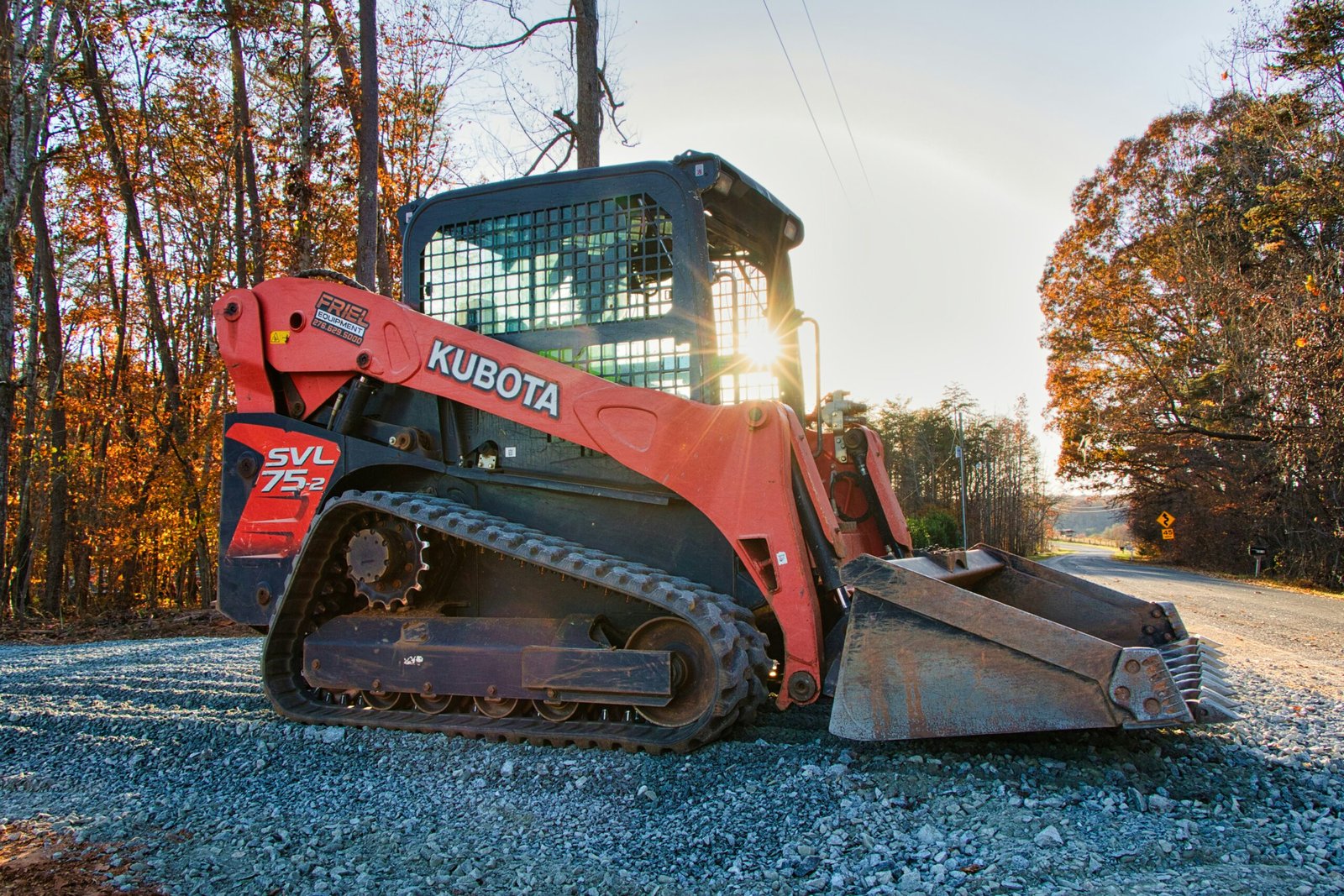
Skid steers are among the most versatile machines used across construction, landscaping, and agricultural projects. Their compact size and manoeuvrability make them suitable for a wide range of tasks, but it is the attachments that truly unlock their full potential.
With a variety of attachment options available, choosing the right one can significantly impact efficiency, productivity, and overall project success. Understanding the most commonly used attachments and how to select them based on job requirements is essential for maximising performance.
Why Attachments Matter
A skid steer’s core strength lies in its adaptability. By switching attachments, operators can transform a single machine into a multi-purpose tool capable of handling diverse tasks.
Key benefits of using the right attachments include:
- Reduced the need for multiple machines
- Improved task efficiency
- Lower operational costs
- Greater flexibility across projects
However, these benefits depend on selecting attachments that align with specific job conditions and machine capabilities.
Common Skid Steer Attachments
There are numerous attachments available, each designed for a particular function. Some of the most widely used include:
Buckets
Buckets are the most common attachment and are used for:
- Material handling
- Loading and unloading
- Grading and levelling
Different bucket types, such as general-purpose, rock, or high-capacity, offer varying levels of performance depending on the material being handled.
Augers
Augers are essential for drilling holes in applications such as fencing, foundation work, and landscaping. A well-matched auger attachment allows for precise and efficient drilling across different soil types.
Augers can be fitted with various bit types to suit conditions ranging from soft soil to more compact or rocky ground.
Pallet Forks
Pallet forks are commonly used for:
- Transporting materials
- Handling pallets and bulk loads
- Moving equipment around the site
They are particularly useful in construction and warehouse environments where lifting and positioning materials quickly is essential.
Trenchers
Trenching attachments are designed for digging narrow trenches for:
- Utility lines
- Irrigation systems
- Drainage installation
They provide a faster and more consistent alternative to manual trenching methods.
Brush Cutters
Brush cutters are used for clearing vegetation, including:
- Grass and light brush
- Overgrown areas
- Site preparation tasks
They are especially useful in landscaping and land management applications.
How to Choose the Right Attachment
Selecting the right attachment involves more than simply identifying the task at hand. Several factors should be considered to ensure compatibility and optimal performance.
Match the Attachment to the Job
The first step is to clearly define the task requirements. Consider:
- The type of material being handled
- Ground conditions
- Required precision and finish
- Project scale and duration
For example, drilling post holes requires a different setup than clearing vegetation or moving bulk materials.
Check Machine Compatibility
Not all attachments are suitable for every skid steer. It is important to ensure that the attachment matches the machine’s:
- Hydraulic flow and pressure
- Operating capacity
- Mounting system
Using an incompatible attachment can lead to poor performance or potential equipment damage.
Consider Hydraulic Requirements
Many attachments rely on hydraulic power to operate effectively. High-demand tools such as augers and trenchers require sufficient hydraulic flow to function properly.
Before selecting an attachment, verify that the skid steer can support the required hydraulic output. This helps maintain efficiency and prevents overheating or excessive wear.
Evaluate Build Quality and Durability
Attachments are often exposed to harsh working conditions, so durability is a key consideration.
Look for features such as:
- Reinforced construction
- High-quality materials
- Protected hydraulic components
- Replaceable wear parts
Investing in well-built attachments can reduce maintenance needs and extend service life.
Think About Versatility
For contractors working across multiple project types, versatility is an important factor.
A single skid steer attachment system that supports interchangeable tools can provide greater flexibility. For example, using one drive unit with multiple auger bits allows operators to handle different soil conditions without needing separate attachments.
This approach can improve equipment utilisation and reduce overall costs.
Assess Maintenance Requirements
Ease of maintenance should not be overlooked. Attachments that are simple to service can help minimise downtime and keep projects running smoothly.
Consider:
- Accessibility of service points
- Availability of replacement parts
- Frequency of required maintenance
Choosing attachments with straightforward maintenance needs can improve long-term efficiency.
Balancing Cost and Performance
While budget is always a factor, selecting the lowest-cost attachment is not always the most effective decision. Lower-quality equipment may result in:
- Reduced performance
- Higher maintenance costs
- Shorter lifespan
Balancing upfront cost with long-term value is essential. In many cases, investing in higher-quality attachments leads to better performance and lower total cost of ownership over time.
Final Thoughts
Skid steer attachments play a critical role in determining how effectively a machine performs on site. From buckets and augers to trenchers and brush cutters, each attachment serves a specific purpose and contributes to overall productivity.
By carefully evaluating job requirements, machine compatibility, and long-term performance factors, operators can select the right tools for the task. With the appropriate attachments in place, a skid steer becomes a highly efficient and adaptable asset capable of meeting the demands of a wide range of projects.

How to Make Your Money Work Around an Irregular Income

A Complete Guide To Professional Teeth Whitening Treatments

How to Evaluate a Luxury Watch Before Buying: Materials, Movement, Fit, and Long-Term Value

Why So Many UK Businesses Are Still Overpaying for Energy in 2026

Luxury Smelling Local Perfume Brands from Dubai to Try

Why B2B website projects break when branding and development are split

Business Coach Calgary: Why Every Growing Company Eventually Needs One

The Biggest Negotiation Mistakes Motorcycle Sellers Make

Teachersgram First Day Collection: Unique Teacher Apparel for Every Educator

How CherryKitten Helps You Express Your Unique Style

Who Is Jennifer Rauchet?: All You Need To Know About Pete Hegseth’s Wife

Who Is Mindy Jennings?: All You Need To Know About Ken Jennings Wife

Who Is Klarissa Munz: The Untold Story of Freddie Highmore’s Wife

Who Is Mallory Plotnik?: The Untold Story of Phil Wickham’s Wife

Who Is Enrica Cenzatti?: The Untold Story of Andrea Bocelli’s Ex-Wife

Can Anything Be Done About the Skyrocketing Prices of Essential Medicines?

Meet Christina Erika Carandini Lee?: All You Need To Know Christopher Lee’s Daughter

Who Is Jasmine Gong?: The Life and Legacy of Brad Williams Wife

Who Is Allison Butler?: The Life and Influence of Kirk Herbstreit Wife

Who Is Terrance Michael Murphy?: Everything about Audie Murphy’s Son
How to Make Your Money Work Around an Irregular Income
A Complete Guide To Professional Teeth Whitening Treatments
How to Evaluate a Luxury Watch Before Buying: Materials, Movement, Fit, and Long-Term Value
Why So Many UK Businesses Are Still Overpaying for Energy in 2026
Luxury Smelling Local Perfume Brands from Dubai to Try
Why B2B website projects break when branding and development are split
Business Coach Calgary: Why Every Growing Company Eventually Needs One
The Biggest Negotiation Mistakes Motorcycle Sellers Make
Teachersgram First Day Collection: Unique Teacher Apparel for Every Educator
How CherryKitten Helps You Express Your Unique Style

 Celebrity2 years ago
Who Is Jennifer Rauchet?: All You Need To Know About Pete Hegseth’s Wife
- Celebrity2 years ago
Who Is Mindy Jennings?: All You Need To Know About Ken Jennings Wife
- Celebrity2 years ago
Who Is Klarissa Munz: The Untold Story of Freddie Highmore’s Wife
- Celebrity2 years ago
Who Is Mallory Plotnik?: The Untold Story of Phil Wickham’s Wife