
Tech
Ultimate Guide to Choosing the Perfect Gaming Monitor for Immersive Gameplay

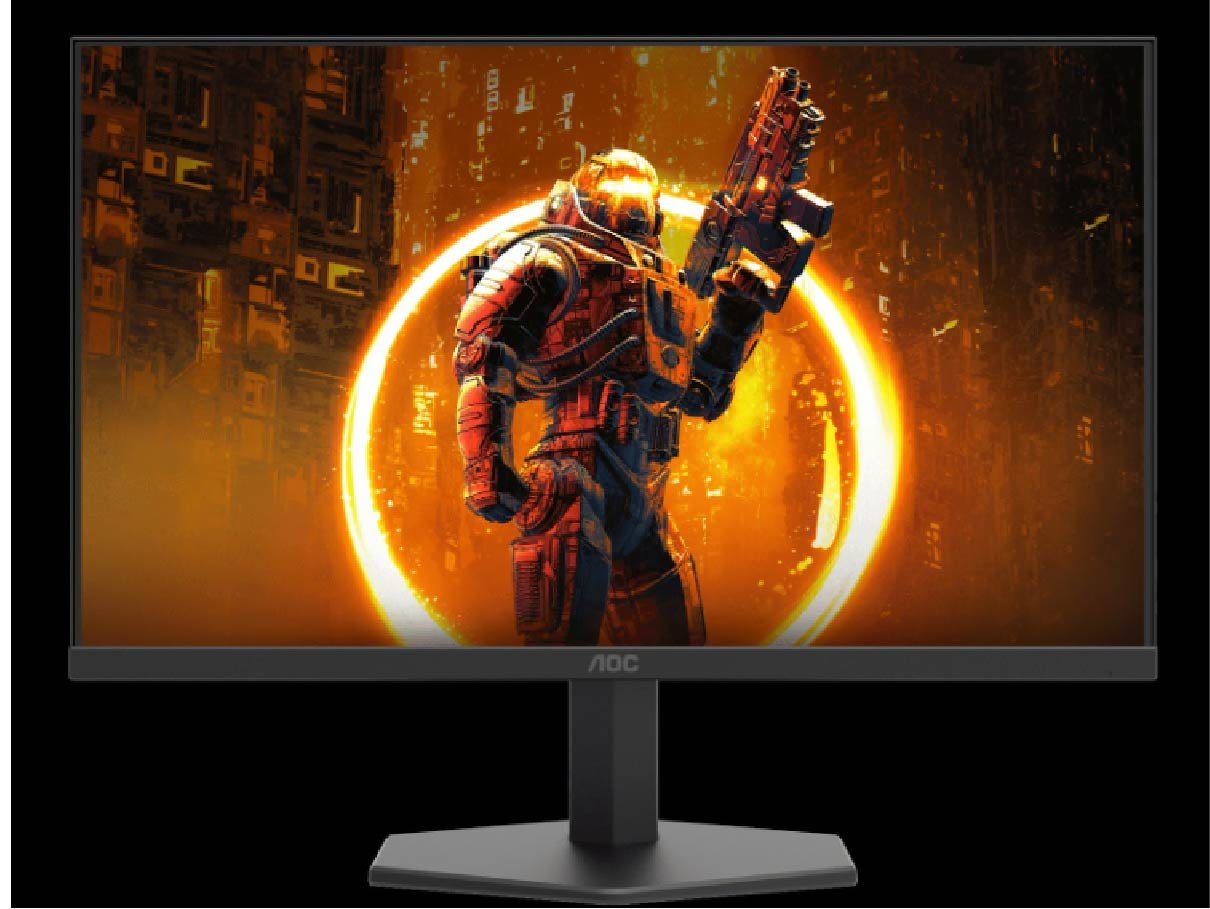
Selecting the right gaming monitor is crucial for any gamer seeking to enhance their immersive gameplay experience. Monitors are not merely a window to your gaming universe; they elevate the minutest details, ensuring both visual comfort and performance are optimised. This guide will help you understand the key features and specifications to consider when choosing a gaming monitor that suits your needs.
Understanding Resolution
Resolution is a primary factor when evaluating gaming monitors. It determines the clarity and detail of images displayed on the screen. Higher resolutions such as 1440p or 4K provide sharper images, which is vital for modern gaming experiences that demand intricate graphic details. However, higher resolution requires a more powerful GPU, so balance this aspect with your PC’s capabilities.
Refresh Rate and Response Time
The refresh rate, measured in Hertz (Hz), indicates how many times the monitor updates with new information per second. Standard monitors typically feature a 60Hz refresh rate, but gaming demands higher rates like 144Hz or even 240Hz to ensure smooth, fluid motion. Alongside, the response time, measured in milliseconds (ms), determines how quickly pixels change from one colour to another. Faster response times, such as 1ms to 5ms, help to eliminate ghosting and improve image clarity during fast-paced action.
Panel Technology
The type of panel technology used in a monitor significantly influences image quality and overall gaming experience. The main panel types include TN (Twisted Nematic), IPS (In-Plane Switching), and VA (Vertical Alignment). TN panels offer fast response times at a lower cost, making them ideal for competitive gaming. IPS panels provide better colour reproduction and wider viewing angles, suitable for gamers who also require excellent visual quality. VA panels offer the best contrast ratios and better colour shades, perfect for immersive games with dark scenes.
Screen Size and Aspect Ratio
Screen size influences both the overall viewing experience and the level of immersion in gameplay. While larger screens provide a more immersive experience, it is essential to consider the space they will occupy on your desk. Common gaming monitor sizes range from 24 to 32 inches. Also important is the aspect ratio, with the standard being 16:9 and ultrawide options at 21:9, which offer a broader field of view beneficial in simulators or expansive adventure games.
Adaptive Sync Technology
Adaptive sync technologies such as NVIDIA G-Sync and AMD FreeSync are designed to eliminate screen tearing and stuttering that occur when the frame rates of your GPU and monitor are out of sync. These technologies ensure the smoothest possible gaming experience by synchronising the monitor’s refresh rate with the GPU’s frame rate, ensuring gameplay remains uninterrupted and fluid.
Ergonomic Design and Connectivity
The physical design of a gaming monitor can significantly impact comfort during long gaming sessions. Ergonomic features such as adjustable height, tilt, swivel, and pivot should be considered to ensure proper posture and reduce strain. Additionally, ensure the monitor has adequate connectivity options, including HDMI, DisplayPort, and USB ports, to connect various devices seamlessly.
Budget Considerations
Budget is often a deciding factor in purchasing a gaming monitor. While higher-end monitors offer advanced features and better specifications, there are quality options available at lower price points. Consider what features are essential and what can be compromised without significantly impacting your gaming experience.
HDR (High Dynamic Range) Capabilities
Monitors with HDR capabilities offer enhanced contrast levels and a wider colour spectrum, contributing to a more vibrant and realistic gaming experience. HDR technology allows you to see deeper blacks and brighter whites, along with a wider range of colours, making it a valuable feature for gamers who prioritise visual quality.
Brand and Warranty
While choosing a gaming monitor, consider reputable brands known for their quality and customer service. Checking the warranty provided can also give peace of mind. A longer warranty period can reflect the manufacturer’s confidence in the product’s durability and performance.
Conclusion
In summary, selecting the perfect gaming monitor requires careful consideration of various factors such as resolution, refresh rate, panel technology, and more. Evaluating your gaming requirements alongside these specifications will help ensure that you choose a monitor that enhances your gameplay, fits within your budget, and meets your performance expectations.

Why Preventive Dental Planning Matters For Households

Why Parasite Prevention Is A Central Focus In Veterinary Clinics

Common Mistakes People Make When Buying Paneer Cheese

7 Smart Reasons Designer Radiators Are Becoming a Must-Have in Modern UK Homes

Heavy Towing Near Me: Fast, Safe, and Reliable Solutions for Heavy-Duty Vehicle Recovery

From Messaging App to Digital Ecosystem: The Evolution of Telegram

The Future of Money Is Not Cashless — It’s Frictionless

Chinese Furniture Manufacturers: Why OPPEIN Stands Out Globally

Hire Vetted Data Scraping Experts to Power Your Business Intelligence in 2026

The London Brands Setting Global Fashion Standards

Who Is Jennifer Rauchet?: All You Need To Know About Pete Hegseth’s Wife

Who Is Mindy Jennings?: All You Need To Know About Ken Jennings Wife

Who Is Enrica Cenzatti?: The Untold Story of Andrea Bocelli’s Ex-Wife

Who Is Klarissa Munz: The Untold Story of Freddie Highmore’s Wife

Who Is Mallory Plotnik?: The Untold Story of Phil Wickham’s Wife

Meet Christina Erika Carandini Lee?: All You Need To Know Christopher Lee’s Daughter

Who Is Allison Butler?: The Life and Influence of Kirk Herbstreit Wife

Who Is Terrance Michael Murphy?: Everything about Audie Murphy’s Son

Alec Bohm Wife: Everything You Need to Know About Jacque Darby

Who Is Jessica Marie Blosil?: Everything About Marie Osmond’s Daughter
Why Preventive Dental Planning Matters For Households
Why Parasite Prevention Is A Central Focus In Veterinary Clinics
Common Mistakes People Make When Buying Paneer Cheese
7 Smart Reasons Designer Radiators Are Becoming a Must-Have in Modern UK Homes
Heavy Towing Near Me: Fast, Safe, and Reliable Solutions for Heavy-Duty Vehicle Recovery
From Messaging App to Digital Ecosystem: The Evolution of Telegram
The Future of Money Is Not Cashless — It’s Frictionless
Chinese Furniture Manufacturers: Why OPPEIN Stands Out Globally
Hire Vetted Data Scraping Experts to Power Your Business Intelligence in 2026
The London Brands Setting Global Fashion Standards
-
 Celebrity1 year ago
Who Is Jennifer Rauchet?: All You Need To Know About Pete Hegseth’s Wife
-
 Celebrity1 year ago
Who Is Mindy Jennings?: All You Need To Know About Ken Jennings Wife
-
 Celebrity1 year ago
Who Is Enrica Cenzatti?: The Untold Story of Andrea Bocelli’s Ex-Wife
-
 Celebrity2 years ago
Who Is Klarissa Munz: The Untold Story of Freddie Highmore’s Wife