
Health
Why Preventive Dental Planning Matters For Households

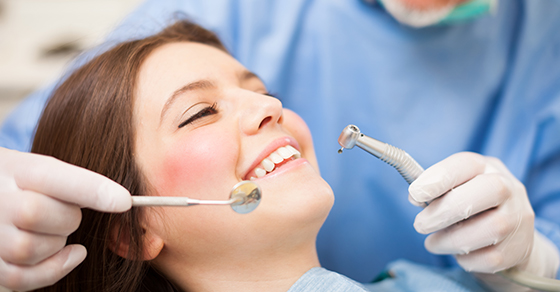
Healthy teeth protect more than your smile. They protect your sleep, your heart, and your wallet. When you plan dental care for your whole household, you cut surprise pain, missed school days, and emergency bills that crush a budget. You also teach your children that their mouths matter. Preventive dental planning means you decide in advance how often you schedule checkups, how you handle small problems, and how you pay for care. You do not wait for a broken tooth or a late night infection. Instead, you build simple habits, clear routines, and a trusted home base for treatment. A dentist in Riverview, FL can help you map out a yearly plan, explain what to expect at each age, and point out early warning signs. This kind of planning gives your family fewer shocks, fewer fears, and more control over health.
How Poor Dental Health Hurts Your Whole Household
Tooth problems do not stay in the mouth. They spread into daily life. They can also spread infection through the body.
The Centers for Disease Control and Prevention explains that untreated cavities in children cause pain, trouble eating, and trouble learning.
Without a clear plan, your household faces three common harms.
- More pain and lost sleep for children and adults
- More missed school days and workdays
- More costly emergency visits
Each late-night trip for a toothache is a sign that planning came too late. A simple checkup months earlier could have stopped the crisis.
Why Planning Costs Less Than Waiting
Preventive care often looks like “one more bill” at first. In truth, it protects your money. You trade one planned cost for three painful costs.
The pattern is simple. Cleanings and early fillings are cheaper than crowns and extractions. Those larger treatments are cheaper than hospital care for severe infection.
Typical Dental Cost Pattern Over Time
| Type of visit | When it happens | Usual cost level | Common result
|
|---|---|---|---|
| Routine checkup and cleaning | Every 6 to 12 months | Low | Early problem found or no problem |
| Small filling | Early decay | Low to medium | Tooth saved with little pain |
| Crown or root canal | Late decay or fracture | High | More visits and more missed time |
| Emergency visit or hospital care | Severe pain or infection | Very high | Strong medicine. Possible days off work or school |
When you plan, you aim to keep your family in the first two rows. You try to avoid the last two. That simple choice protects savings and cuts stress.
Setting Up A Household Dental Plan
You do not need complex tools. You only need a clear routine that everyone understands. Start with three steps.
Step 1. Set a checkup schedule for each age
The American Dental Association advises regular checkups, often every 6 months. You can see ADA guidance.
- Babies and toddlers. First visit by age 1 or within 6 months of the first tooth
- Children and teens. Regular checkups every 6 months unless the dentist suggests a different plan
- Adults. Regular checkups, often every 6 to 12 months, based on risk and history
Write these visits on a family calendar. Use reminders on your phone. Treat them like school or work. You do not skip them unless you truly must. If you cancel, you reschedule at once.
Step 2. Plan how you will pay
Money fear stops many households from planning. Honest planning can ease that fear.
- Review your insurance benefits each year
- Ask your dentist to explain costs for routine care and common treatments
- Set aside a small monthly amount in a separate savings account for dental needs
If you do not have insurance, ask about payment plans, community clinics, or school programs. Some states support low-cost or free care for children through Medicaid or CHIP. You can look up options through your state health department site.
Step 3. Agree on daily home habits
Dental planning is not only about visits. It is also about what happens in your bathroom and kitchen every day.
- Brush teeth with fluoride toothpaste twice a day
- Floss once a day when teeth touch
- Limit sugary drinks and snacks between meals
Set the same rules for everyone. Children watch adults. When you follow the routine, they are more likely to follow it too.
Teaching Children That Teeth Matter
Children learn what you repeat. When you treat dental visits as normal, they feel safer. When you only go during a crisis, they learn to fear the chair.
Use clear words. Explain that the dentist checks for small spots before they turn into big holes. Praise brave behavior. Never use the dentist as a threat or punishment.
You can also let children help with planning.
- Let them place stickers on the calendar for upcoming visits
- Let them pick a toothbrush and toothpaste flavor
- Let them choose a short song to play while brushing
These small choices give them control and lower fear.
Special Planning For High Risk Family Members
Some people need closer planning. That includes family members who smoke, have diabetes, take certain medicines, or have already lost teeth. It also includes pregnant people.
These family members may need more frequent cleanings or checks. They may face a higher risk of gum disease and infection. Write their visits on the calendar first. Then build the rest of the family plan around them.
What To Ask Your Dentist Each Year
A strong plan grows over time. Use your regular visits to adjust it. You can bring a short list of questions.
- How are my teeth and gums compared with last year
- What should I watch for at home
- How often should I schedule visits for each family member
- Are sealants or fluoride treatments right for my children
- Are there lower cost options for the care we need
Write the answers. Then update your calendar and savings plan.
Turning Planning Into A Family Habit
Preventive dental planning is not a one-time project. It is a steady habit. You look ahead. You act early. You protect your household from pain and sudden costs.
You can start this week.
- Pick a dentist for your family
- Schedule overdue checkups
- Set simple brushing and flossing rules at home
Each small step gives your household more safety, more comfort, and more control over health.

Why Preventive Dental Planning Matters For Households

Why Parasite Prevention Is A Central Focus In Veterinary Clinics

Common Mistakes People Make When Buying Paneer Cheese

7 Smart Reasons Designer Radiators Are Becoming a Must-Have in Modern UK Homes

Heavy Towing Near Me: Fast, Safe, and Reliable Solutions for Heavy-Duty Vehicle Recovery

From Messaging App to Digital Ecosystem: The Evolution of Telegram

The Future of Money Is Not Cashless — It’s Frictionless

Chinese Furniture Manufacturers: Why OPPEIN Stands Out Globally

Hire Vetted Data Scraping Experts to Power Your Business Intelligence in 2026

The London Brands Setting Global Fashion Standards

Who Is Jennifer Rauchet?: All You Need To Know About Pete Hegseth’s Wife

Who Is Mindy Jennings?: All You Need To Know About Ken Jennings Wife

Who Is Enrica Cenzatti?: The Untold Story of Andrea Bocelli’s Ex-Wife

Who Is Klarissa Munz: The Untold Story of Freddie Highmore’s Wife

Who Is Mallory Plotnik?: The Untold Story of Phil Wickham’s Wife

Meet Christina Erika Carandini Lee?: All You Need To Know Christopher Lee’s Daughter

Who Is Allison Butler?: The Life and Influence of Kirk Herbstreit Wife

Who Is Terrance Michael Murphy?: Everything about Audie Murphy’s Son

Alec Bohm Wife: Everything You Need to Know About Jacque Darby

Who Is Jessica Marie Blosil?: Everything About Marie Osmond’s Daughter
Why Preventive Dental Planning Matters For Households
Why Parasite Prevention Is A Central Focus In Veterinary Clinics
Common Mistakes People Make When Buying Paneer Cheese
7 Smart Reasons Designer Radiators Are Becoming a Must-Have in Modern UK Homes
Heavy Towing Near Me: Fast, Safe, and Reliable Solutions for Heavy-Duty Vehicle Recovery
From Messaging App to Digital Ecosystem: The Evolution of Telegram
The Future of Money Is Not Cashless — It’s Frictionless
Chinese Furniture Manufacturers: Why OPPEIN Stands Out Globally
Hire Vetted Data Scraping Experts to Power Your Business Intelligence in 2026
The London Brands Setting Global Fashion Standards
-
 Celebrity1 year ago
Who Is Jennifer Rauchet?: All You Need To Know About Pete Hegseth’s Wife
-
 Celebrity1 year ago
Who Is Mindy Jennings?: All You Need To Know About Ken Jennings Wife
-
 Celebrity1 year ago
Who Is Enrica Cenzatti?: The Untold Story of Andrea Bocelli’s Ex-Wife
-
 Celebrity2 years ago
Who Is Klarissa Munz: The Untold Story of Freddie Highmore’s Wife