
Health
Why Rubber Dam Isolation Enhances Patient Comfort and Safety

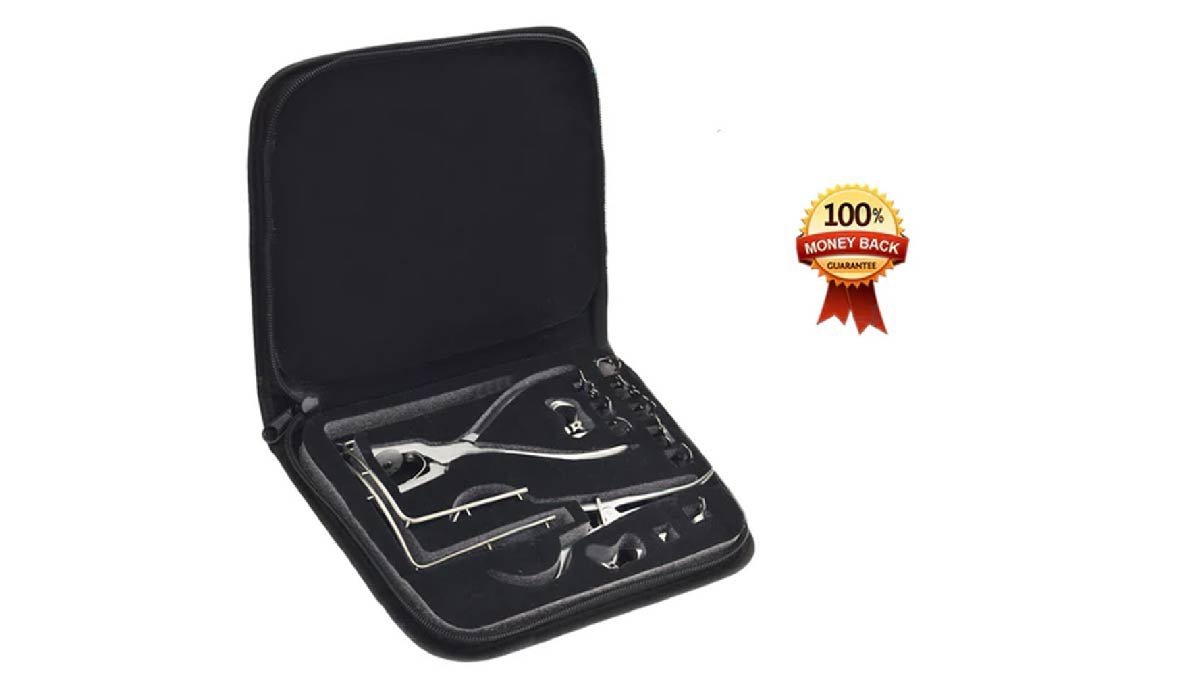
In the field of dentistry, small instruments are often the ones that make the biggest impact. One of these tools is the rubber dam. It’s simple in appearance but incredibly significant in its effect on the comfort of patients as well as clinical security. While patients may not be aware of its function or even realize it, dental professionals are mindful of the importance of rubber dam isolation as a standard of excellence in various procedures, including endodontic and restorative treatments.
In a world where patient-centered care, infection control and efficiency of procedures are paramount, the rubber dam isolate is an approach that can address all three. It eases anxiety, reduces discomfort, shields patients from possible hazards, and permits dentists to perform their work more precisely. Despite these benefits, the use of rubber dams is not widely understood or utilized in certain practices, usually due to misperceptions about patients’ tolerance or the time limit.
This article examines in depth why the isolation of the rubber dam increases patient comfort and safety by reviewing its function from psychological, clinical and practical angles. If you’re a dental professional working on improving your workflow or a patient interested in the factors that make dental visits more secure, knowing the importance of rubber dam isolation will help you understand how it’s an integral component of a high-quality dental treatment.
Understanding Rubber Dam Isolation
What Is a Rubber Dam?
It is a fine, flexible sheet that is typically made of latex or other latex-free materials and is used to protect the teeth in dental treatments. It acts as a physical separation between the area of treatment and the remainder of your mouth, which includes cheeks, tongue and saliva, as well as the throat.
The dam is held in place by tiny clamps around the tooth to be treated, and frames hold the dam in place on the outside of the mouth. Once it has been properly placed, it will leave only the tooth being treated exposed, providing a clean, dry and controlled work area.
While it appears straightforward, the rubber dam has multiple purposes. At the same time, it serves various purposes: control of moisture, infection prevention, protection for patients and effectiveness in the procedure. This is the reason why it is so useful in modern-day dentistry.
A Brief History of Rubber Dam Use in Dentistry
Isolation of the dam from rubber isn’t an entirely new idea. It was first introduced in the late 19th century and soon gained traction with dentists who understood its potential to improve the outcomes of treatments. As time has passed, the styles and materials have evolved and made rubber dams less bulky and more comfortable. They also make them more adaptable.
Despite advancements in dental technology, only a few innovations have equalled the efficacy of the rubber dam. The longevity of the rubber dam in the clinical setting is a testament to its dependability and its continued value. In reality, many dental associations around the world still advocate the use of rubber dams as a recommended method of treatment, especially for root canal treatment and adhesive restorations.
Components of a Rubber Dam System
A complete system of rubber dams has several parts, all having a part to play in the patient’s well-being and security:
- A sheet of rubber available in various thicknesses and materials
- Clamp – Secures the dam in place around the tooth
- Frame – Stabilizes and stretches the dam just outside the mouth
- Punch – Punches holes to allow teeth exposure
- Forceps – Used to put on and take off clamps
If used properly When used properly, these components function in a seamless manner, minimizing discomfort and maximizing security.
How Rubber Dam Isolation Works in Practice
After the dam is set, saliva is eliminated from the area of treatment, and the cheeks and tongue are held gently to prevent any interference. For patients, this can mean less pressure to keep the mouth open and be concerned about taking in fluids.
From a dentist’s perspective, the dam’s rubber creates an ideal atmosphere: dry, visible and controlled. From the standpoint of the patient, it gives a feeling of safety and security, both of which are crucial to ensure comfort during dental procedures.
Patient Comfort: A Core Priority in Dental Care
Common Sources of Discomfort During Dental Procedures
The pain doesn’t always cause dental discomfort. For a lot of patients, the cause of discomfort is:
- The mouth is flooded with water.
- Constant suction noises
- The fear of swallowing instruments
- Tongue fatigue
- Jaw strain due to extended opening
These issues can make simple procedures seem uncomfortable. The rubber dam isolation solution addresses the majority of problems directly through controlling the oral environment.
Psychological Anxiety and Dental Fear
Dental anxiety is well-documented as a phenomenon. Patients frequently fear the possibility of choking, vomiting or losing control of their mouth while undergoing treatment. The vulnerability of the mouth can trigger stress reactions, particularly in those with previously negative experiences.
The isolation of the rubber dam provides psychological protection. The knowledge that the barrier is there to protect the airway and throat assists patients in relaxing. The sense of safety is as vital as physical comfort and plays an important role in the overall satisfaction of the patient.
How Isolation Techniques Influence Patient Experience
Techniques for isolation can help or degrade the comfort of patients. Suction and cotton rolls alone generally require constant adjustments that can be uncomfortable. However, an isolation dam made of rubber is positioned only once and stays steady, reducing interruptions and discomfort during the process.
How Rubber Dam Isolation Enhances Patient Comfort
Reduced Risk of Gag Reflex
One of the most immediate advantages is the reduction in gag reflex. By isolating the area where treatment occurs and stopping debris and water from flowing towards the throat area, dams made of rubber considerably reduce the risk of gags. This is especially helpful for those who have gag reflexes that are sensitive.
Less Jaw and Tongue Fatigue
When the cheeks and tongue are being held in a relaxed manner Patients don’t have to exert control over the muscles in their mouths. This results in less fatigue in long procedures, and an overall more relaxing experience.
Improved Breathing Comfort
Contrary to popular belief, the rubber dams are not able to limit breathing. Patients can breathe normally using their nose, typically finding that their experience is more tranquil due to the fact that there is less suction and less water within the mouth.
Enhanced Sense of Safety
The most overlooked aspect of tranquility. Being aware that tiny instruments, liquids or other debris are not able to enter the throat accidentally can help patients be more relaxed, which reduces the sensation of discomfort.
How Rubber Dam Isolation Enhances Patient Safety
Prevention of Aspiration and Ingestion
One of the primary benefits of a rubber dam is preventing accidental swallowing and breathing in dental tools, materials or other debris. This is crucial when dealing with small burs, files or restorative material.
Improved Infection Control
By separating your tooth from saliva, the rubber dams greatly reduce the risk of the bacterial burden. This is vital in the process of root canal treatment, where the maintenance of a clean and sterile environment directly impacts the success of treatment.
Protection of Soft Tissues
Rubber dams function as a shield of protection for the cheeks, tongue and lips. This reduces the chance of injury caused by cutting instruments, rotating burs, or chemical irritants utilized in treatment.
Enhanced Accuracy and Treatment Outcomes
Dry, clear fields permit dentists to be more precise in their work. This helps reduce errors, increases the longevity of restorations, and eventually results in fewer complications, all of which can contribute to the longevity of patient security.
Rubber Dam Isolation in Different Dental Procedures
Endodontic (Root Canal) Treatments
The isolation of the rubber dam is necessary in endodontics. It guarantees sterility, stops instrument aspiration and increases visibility within the root canal.
Restorative Dentistry
In the case of crowns, fillings and bonding, the control of moisture is crucial. Dams made of rubber increase adhesion and can lead to more durable restorations and fewer visits.
Pediatric Dentistry
Children typically benefit most from the isolation of the rubber dam. It speeds up the process as well as improves cooperation. It also reduces anxiety by removing the discomfort caused by suction and water.
Cosmetic Dentistry
For veneer and whitening processes, rubber dams guard gums from chemical irritation, while making sure that the process is precise, increasing aesthetics and security.
Addressing Common Myths About Rubber Dam Isolation
“Patients Don’t Like Rubber Dams”
The results of studies and feedback from patients indicate that the majority of patients like rubber dams or prefer them after they have understood the advantages. Most discomforts are caused by an improper installation, not the dam itself.
“Rubber Dams Take Too Much Time”
When properly trained, placement takes only a couple of minutes. The time saved due to more efficiency and fewer interruptions is often more than the initial set-up time.
“They Are Unnecessary With Modern Tools”
Although technology has improved, the main challenges to the control of moisture and safety persist. Rubber dams continue outperform alternatives for isolation in several situations in clinical practice.
Conclusive: A Basic Tool with a Profound Impact
The isolation of a rubber dam is much more than just a technological device. It is the foundation of safe, patient-centered and efficient dental care. Through increasing comfort, reducing anxiety, avoiding dangerous dangers to safety, and enhancing outcomes for patients, the benefits of rubber dams are beneficial to dentists and patients alike.
In a world of healthcare that is concerned with safety, quality and patient satisfaction, rubber dam isolation has been viewed as an unchanging solution. Its continual use is an unwavering dedication to excellence, precision and compassion in dentistry. Values that patients feel, even when they can’t recognize the device behind them.
Frequently Asked Questions (FAQs)
- Does a rubber dam make dental treatment painful?
No. If it is placed properly, the dam will not cause pain. It also often minimizes discomfort by reducing suction, water, or interruptions.
- Do patients breathe normally when using the aid of a rubber dam?
Patients can breathe easily through their noses, and many feel more peaceful when they undergo the treatment.
- Is isolation of the rubber dam necessary for every dental procedure? Not every procedure requires it, however, it is strongly suggested for any treatment that involves moisture-sensitive materials or instruments that are small in size.
- Are there rubber dams made of latex that are available? Are there any?
The latex-free alternatives are readily available to patients suffering from allergies or sensitivities.
- Why aren’t all dentists using rubber dams regularly?
The reasons differ, including ignorance or lack of training. But awareness of their advantages is growing throughout the dental profession.

The Best 5 Free AI Photo Editor Platforms

Transition and transformation: The New Worksite Machinery

7 Aesthetic Accessories That Instantly Elevate Your Outfit

4 Benefits Of Having A Dedicated Tax Accountant For Your Business

How Firms Adapt Their Services To Regulatory And Market Shifts

Medical Device Prototyping Services: Faster Development Without Compromising Quality

How to Extend the Lifespan of Industrial Hydraulic Components

The Vital Role Of General Dentistry In Lifelong Oral Health

How to Choose the Right Mousepad desk mats for Your Desk Layout

How Rocket Canopy Windproof Walls Protect Your Booth in Harsh Weather

Who Is Jennifer Rauchet?: All You Need To Know About Pete Hegseth’s Wife

Who Is Mindy Jennings?: All You Need To Know About Ken Jennings Wife

Who Is Enrica Cenzatti?: The Untold Story of Andrea Bocelli’s Ex-Wife

Who Is Klarissa Munz: The Untold Story of Freddie Highmore’s Wife

Who Is Mallory Plotnik?: The Untold Story of Phil Wickham’s Wife

Meet Christina Erika Carandini Lee?: All You Need To Know Christopher Lee’s Daughter

Who Is Allison Butler?: The Life and Influence of Kirk Herbstreit Wife

Who Is Terrance Michael Murphy?: Everything about Audie Murphy’s Son

Alec Bohm Wife: Everything You Need to Know About Jacque Darby

Who Is Jessica Marie Blosil?: Everything About Marie Osmond’s Daughter
The Best 5 Free AI Photo Editor Platforms
Transition and transformation: The New Worksite Machinery
7 Aesthetic Accessories That Instantly Elevate Your Outfit
4 Benefits Of Having A Dedicated Tax Accountant For Your Business
How Firms Adapt Their Services To Regulatory And Market Shifts
Medical Device Prototyping Services: Faster Development Without Compromising Quality
How to Extend the Lifespan of Industrial Hydraulic Components
The Vital Role Of General Dentistry In Lifelong Oral Health
How to Choose the Right Mousepad desk mats for Your Desk Layout
How Rocket Canopy Windproof Walls Protect Your Booth in Harsh Weather
-
 Celebrity2 years ago
Who Is Jennifer Rauchet?: All You Need To Know About Pete Hegseth’s Wife
-
 Celebrity1 year ago
Who Is Mindy Jennings?: All You Need To Know About Ken Jennings Wife
-
 Celebrity1 year ago
Who Is Enrica Cenzatti?: The Untold Story of Andrea Bocelli’s Ex-Wife
-
 Celebrity2 years ago
Who Is Klarissa Munz: The Untold Story of Freddie Highmore’s Wife