
Blog
Wollmatten Guide: The Powerful Eco Choice for Modern Living

Introduction
Wollmatten, or wool mats in English, are emerging as one of the most versatile and eco-conscious materials across a wide range of industries. As the world shifts toward sustainability, these natural wool-based mats are gaining global attention for their multifunctionality and environmental benefits. Whether used in agriculture, construction, interior design, or scientific fields, Wollmatten offer a biodegradable, renewable, and effective alternative to plastic and synthetic materials. The term itself originates from German—”Woll” meaning wool and “Matten” meaning mats—emphasizing the natural fiber’s importance in European culture and modern eco-engineering.
In this comprehensive guide, we will explore what wollmatten are, how they are made, why wool’s unique chemistry makes them ideal for various applications, and how they are transforming both traditional and modern industries. We’ll also break down their historical background, industry-specific applications, care instructions, advantages, and what the future holds for this fascinating material.
What Are Wollmatten?
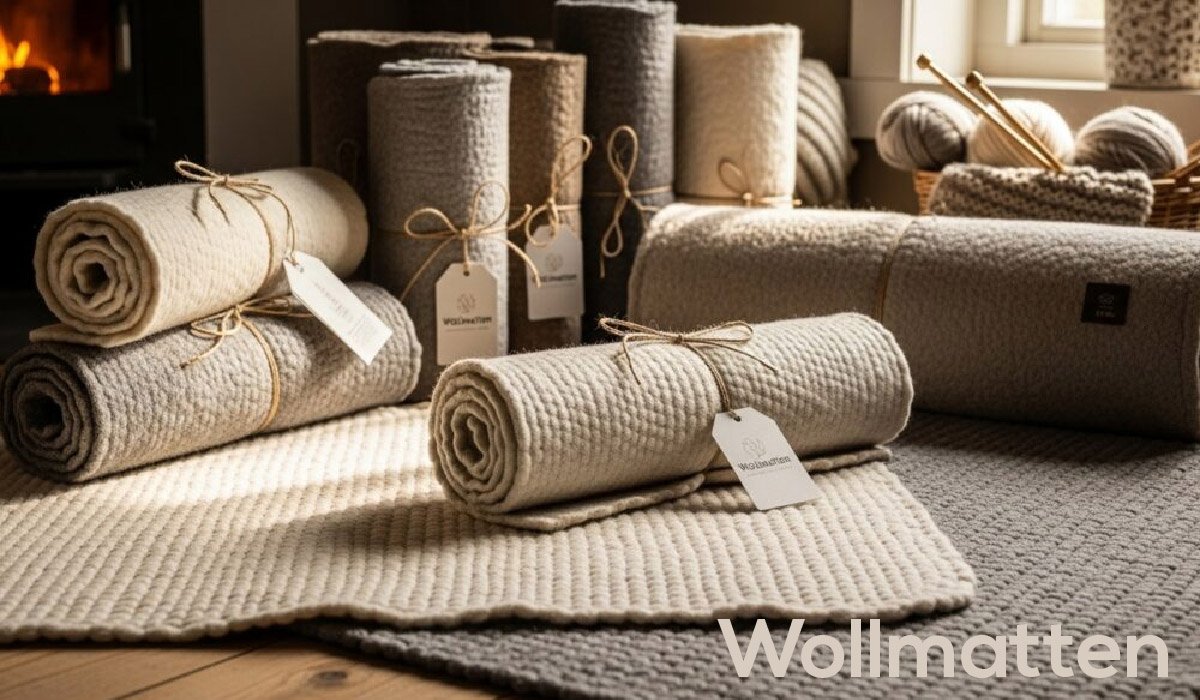
Wollmatten are mats made primarily from wool fibers that have been compressed, felted, or woven into dense, sheet-like structures. These mats can be thick or thin, rigid or flexible, depending on their intended use. In agriculture, lighter versions help retain soil moisture and suppress weeds. In home construction, denser mats provide thermal insulation and soundproofing. Some are purely decorative, adding a natural touch to interior décor, while others are industrial-grade for erosion control or filtration. Modern versions may include blends of natural and synthetic fibers for added strength and longevity, but the majority aim to remain biodegradable. As such, wollmatten occupy a unique space between tradition and innovation—bridging eco-friendly practices with cutting-edge material science.
The Chemistry of Wool – Why It’s the Ideal Material
The wool used in wollmatten is not just a soft, warm material—it is a protein-based fiber primarily composed of keratin, which gives it several unique physical and chemical properties. Each wool fiber is made up of three layers: the outer cuticle with overlapping scales (which help repel dirt and water), the cortex (which provides elasticity and strength), and sometimes a central medulla (for additional insulation). Wool can absorb up to 30% of its weight in moisture without feeling wet, making it perfect for moisture regulation. Furthermore, wool is naturally flame-resistant, unlike synthetic materials that melt or release toxic gases when exposed to fire.
This makes wollmatten safer for use in homes, schools, and public spaces. Its springy, crimped fibers also make wool excellent for acoustic insulation, as they trap sound waves effectively. All these properties make wool a superior and sustainable material for a wide range of applications.
How Wollmatten Are Made – The Production Process
The journey of a wollmatte begins at the farm. Wool is sourced from sheep, typically using coarse or low-grade wool not suitable for textile production, which helps reduce waste in the wool industry. After collection, the wool undergoes cleaning (or scouring) to remove lanolin, dirt, and organic matter. It is then carded, a process that aligns the fibers to prepare them for mat formation.
Depending on the application, the wool may be needle-felted, woven, or pressed into mats. Some versions incorporate natural resins or biodegradable binders for added structure. After shaping, the mats may be treated with natural oils for moth resistance, water repellency, or durability. Finally, they are cut or rolled based on use cases and packed for distribution. This method preserves the wool’s natural properties while adapting it to specific industrial, agricultural, or home-based needs.
Traditional and Historical Uses of Wool Mats
The use of wool mats is not new—its historical roots can be traced back thousands of years. In Central Asia and the Middle East, nomadic tribes created felted wool mats for insulation and protection against the elements. These mats were often rolled up and transported with ease, making them ideal for mobile lifestyles. In Europe, especially in regions like Bavaria and Austria, wool mats became essential household items during the colder seasons, insulating stone floors and adding warmth. Over time, they evolved into artistic and cultural symbols, adorned with motifs and gifted during major life events like weddings or housewarmings.
The traditional use of wool for comfort, protection, and symbolism has seamlessly transitioned into today’s eco-conscious lifestyle, where wollmat ten continue to hold both functional and sentimental value.
Applications of Wollmatten Across Industries
1. Agriculture and Gardening
Wollmatten are widely used in permaculture and organic gardening. Acting as natural mulch, they help retain soil moisture, suppress weeds, and slowly decompose to release nitrogen into the soil. Gardeners and farmers lay them around trees, vegetable beds, or even as seed covers, reducing the need for plastic mulch and frequent watering. Their biodegradability ensures that they enrich rather than pollute the soil.
2. Construction and Green Building
In construction, wollmatten are increasingly preferred for thermal insulation in walls, roofs, and floors. Their natural fiber structure traps air and regulates indoor temperatures. Additionally, they function as acoustic dampeners, making them ideal for residential homes, music studios, and office buildings. Unlike fiberglass, wool insulation is non-toxic, breathable, and safe to handle, aligning with green building certifications such as LEED.
3. Erosion Control
On slopes, riverbanks, and construction sites, wollmatten serve as erosion control blankets. They stabilize soil while allowing vegetation to grow through them. Over time, the mats biodegrade, leaving behind a strengthened natural landscape without chemical residues.
4. Interior Design and Lifestyle
Wollmatten are increasingly featured in modern and rustic interiors as area rugs, wall hangings, and decorative padding. Their neutral colors and tactile texture fit perfectly in Scandinavian and minimalist aesthetics. Beyond beauty, they offer functional benefits such as warmth underfoot, air filtration, and noise reduction—making them an ideal choice for cozy, sustainable living.
5. Animal Care and Bedding
Livestock farmers and pet owners use wollmatten as bedding. Their moisture-wicking and insulating properties keep animals comfortable in barns or crates. They are often preferred over straw or synthetic alternatives for being more hygienic, compostable, and durable.
6. Crafts, Art, and Education
In the art world, small-scale wool mats are used for needle-felting, embroidery, and textile design. Their soft yet resilient structure provides a great base for experimentation. Schools and eco-curricula also use wollmatten for hands-on sustainability projects, helping students understand renewable materials.
7. Industrial and Scientific Use
Beyond homes and gardens, wollmatten have specialized uses. In industrial settings, they serve as filters for air and water, thanks to wool’s particle-trapping capabilities. In luxury automotive interiors, wool mats are installed for both aesthetics and sound dampening. Their fire-resistant and insulating properties also make them suitable for use in labs and workshops.
Benefits of Using Wollmatten
Wollmatten offer a long list of benefits that go far beyond comfort or décor. They are environmentally friendly—being made from a renewable and biodegradable resource. Their sound absorption capabilities make them great for noise-sensitive environments. Their fire resistance provides added safety. They regulate indoor humidity and temperature due to wool’s natural hygroscopic and insulating properties. Wool fibers are naturally strong and elastic, making wollmat ten long-lasting even under high foot traffic or mechanical stress. Furthermore, wool is hypoallergenic and resists mold, making it a healthier option for indoor air quality. When you choose wollmatten, you’re opting for a product that enhances your environment while reducing your ecological footprint.
Challenges and Considerations
Despite their numerous advantages, wollmatten do come with some considerations. Firstly, they can be more expensive upfront than synthetic or plastic alternatives. However, this is usually offset by their durability and multifunctionality. In damp outdoor environments, untreated wool mats may attract pests or degrade faster than synthetic mats, though natural treatments can help mitigate this. Availability is another issue; in some regions, sourcing wollmatten may require online orders or specialty importers. Nevertheless, as demand grows, accessibility is likely to improve.
How to Care for Wollmatten
Caring for wollmatten ensures their longevity. Regular vacuuming keeps them clean and prevents dirt from settling into the fibers. If a spill occurs, spot cleaning with a mild wool detergent and warm water is recommended. Avoid harsh chemicals that may damage the protein-based fibers. Direct sunlight can cause fading and fiber weakening, so it’s best to place wollmatten in shaded areas or rotate them regularly. For long-term use, cedar blocks or lavender sachets can help repel moths. With proper care, wollmatten can remain functional and attractive for many years.
Wollmatten in Sustainable Design and Architecture
Sustainable architecture is embracing wollmatten for their passive insulation qualities and eco-friendliness. They are used in green roofing systems, acoustic wall panels, and floor insulation beneath eco-wood or tile. LEED-certified and passive house projects often specify wool-based insulation due to its thermal performance and recyclability. Some designers even incorporate wollmatten into modular furniture or use them as aesthetic elements in eco-hotels and tiny homes. These applications not only promote environmental responsibility but also deliver aesthetic warmth and acoustic comfort.
The Future of Wollmatten – Innovation & Expansion
As environmental concerns drive innovation, wollmatten are poised for expansion. Future developments may include hybrid mats that combine wool with hemp or flax for added strength and elasticity. Research is also underway into smart wollmatten that can purify air or detect temperature changes. In urban settings, they may become essential components in green balconies or vertical gardens. The circular economy also sees potential—used mats can be shredded for compost, reused in packaging, or turned into acoustic tiles. As more consumers and businesses demand sustainable alternatives, wollmatten stand out as a future-ready solution.
Cultural Symbolism of Wool Mats
In many cultures, wool mats hold symbolic meaning. In Central Asian countries, felted wool rugs often carry intricate patterns symbolizing nature, prosperity, or protection. In German-speaking regions, handmade wollmatten are treasured household items or heirlooms, often passed down through generations. Gifting a wollmatte can symbolize warmth, care, and continuity, making it more than just a product—it’s a cultural artifact.
Is Wollmatten Right for You?
If you’re seeking to create a home, garden, or workspace that aligns with sustainable values without sacrificing comfort or beauty, then wollmat ten is an ideal choice. They serve multiple functions, from insulation and decoration to erosion control and animal care. Their initial cost may be higher than synthetic alternatives, but their long-term performance, health benefits, and environmental impact make them a wise investment. Whether you are a designer, farmer, homeowner, or educator, there’s a wollmatte that fits your needs.
Conclusion
Wollmatten are more than just wool mats—they represent the intersection of traditional wisdom, scientific innovation, and sustainable living. With their wide range of uses, natural benefits, and minimal environmental impact, they are reshaping how we think about everyday materials. From warming homes and protecting crops to enhancing interiors and purifying air, wollmatten are redefining what a simple mat can do. Choosing wollmatten means choosing a healthier, greener future—for your home, your industry, and the planet.
FAQs About Wollmatten
1. What are wollmatten?
Wollmatten are natural wool mats made by compressing, felting, or weaving wool fibers into thick sheets. They are eco-friendly, biodegradable, and used in many areas such as gardening, home insulation, décor, and animal bedding.
2. What are wollmatten used for?
Wollmatten are used for soil protection, weed control, thermal insulation, soundproofing, erosion control, interior design, pet bedding, and craft projects. Their natural wool fibers make them safe, durable, and suitable for both indoor and outdoor use.
3. Are wollmatten eco-friendly?
Yes. Wollmatten are completely eco-friendly because they are made from natural, renewable wool. They are biodegradable, free from harmful chemicals, and help replace plastic or synthetic mats in homes and gardens.
4. How long do wollmatten last?
Wollmatten can last for many years indoors due to their strong, elastic wool fibers. Outdoors, they slowly break down over time, enriching the soil. Their lifespan depends on usage, weather conditions, and maintenance.
5. How do you clean or care for wollmatten?
To care for wollmatten, vacuum them regularly, spot clean with mild wool-safe soap, avoid harsh chemicals, and keep them out of direct sunlight. Rotate them occasionally and use natural moth repellents like cedar or lavender.
For More Information, Visit Coopermagazine

The Psychology of Why We Love Solving Mysteries Under Pressure

Creative Ways to Level Up Your Home Gaming Environment for Friends

Understanding Image to Image Through Model Capabilities Evolution

2026 Prenup Report: Public Opinion, Misconceptions, and Motivations

Seedance 2.0 Makes AI Video Feel More Operational

Does Red Light Work for Hair Loss?

Anti-Aging Skincare for Men: When to Start and What Works

Revitalize Your Skin with an Ultrasonic Skin Spatula: Tips & Benefits

Six AI Music Tools Transforming Ideas Into Usable Tracks

Planning, Building Regulations, and More for Loft Conversions in Essex

Who Is Jennifer Rauchet?: All You Need To Know About Pete Hegseth’s Wife

Who Is Mindy Jennings?: All You Need To Know About Ken Jennings Wife

Who Is Enrica Cenzatti?: The Untold Story of Andrea Bocelli’s Ex-Wife

Who Is Klarissa Munz: The Untold Story of Freddie Highmore’s Wife

Who Is Mallory Plotnik?: The Untold Story of Phil Wickham’s Wife

Meet Christina Erika Carandini Lee?: All You Need To Know Christopher Lee’s Daughter

Who Is Allison Butler?: The Life and Influence of Kirk Herbstreit Wife

Who Is Terrance Michael Murphy?: Everything about Audie Murphy’s Son

Alec Bohm Wife: Everything You Need to Know About Jacque Darby

Who Is Jessica Marie Blosil?: Everything About Marie Osmond’s Daughter
The Psychology of Why We Love Solving Mysteries Under Pressure
Creative Ways to Level Up Your Home Gaming Environment for Friends
Understanding Image to Image Through Model Capabilities Evolution
2026 Prenup Report: Public Opinion, Misconceptions, and Motivations
Seedance 2.0 Makes AI Video Feel More Operational
Does Red Light Work for Hair Loss?
Anti-Aging Skincare for Men: When to Start and What Works
Revitalize Your Skin with an Ultrasonic Skin Spatula: Tips & Benefits
Six AI Music Tools Transforming Ideas Into Usable Tracks
Planning, Building Regulations, and More for Loft Conversions in Essex
-
 Celebrity1 year ago
Who Is Jennifer Rauchet?: All You Need To Know About Pete Hegseth’s Wife
-
 Celebrity1 year ago
Who Is Mindy Jennings?: All You Need To Know About Ken Jennings Wife
-
 Celebrity1 year ago
Who Is Enrica Cenzatti?: The Untold Story of Andrea Bocelli’s Ex-Wife
-
 Celebrity2 years ago
Who Is Klarissa Munz: The Untold Story of Freddie Highmore’s Wife