
Home Improvement
Enhancing Outdoor Work Environments: The 10′ x 10′ Hardtop Curved Steel Roof Patio Gazebo

Introduction
In the logistics and industrial sector, outdoor areas are essential for breaks, equipment staging, and temporary workstations. However, exposure to sun, rain, and insects can make these spaces uncomfortable and even hazardous. Providing shaded, sheltered areas for employees not only improves morale but also reduces heatrelated illnesses and allows work to continue during light precipitation. The 10′ x 10′ hardtop curved steel roof patio gazebo offers a durable, attractive solution that can be installed quickly in yards, loading docks, or parking lots. With integrated curtains and mosquito netting, it provides flexibility for different weather conditions and pest control. This article examines its technical features, safety considerations, and operational benefits for Canadian industrial sites.
An example of this equipment category can be referenced here:
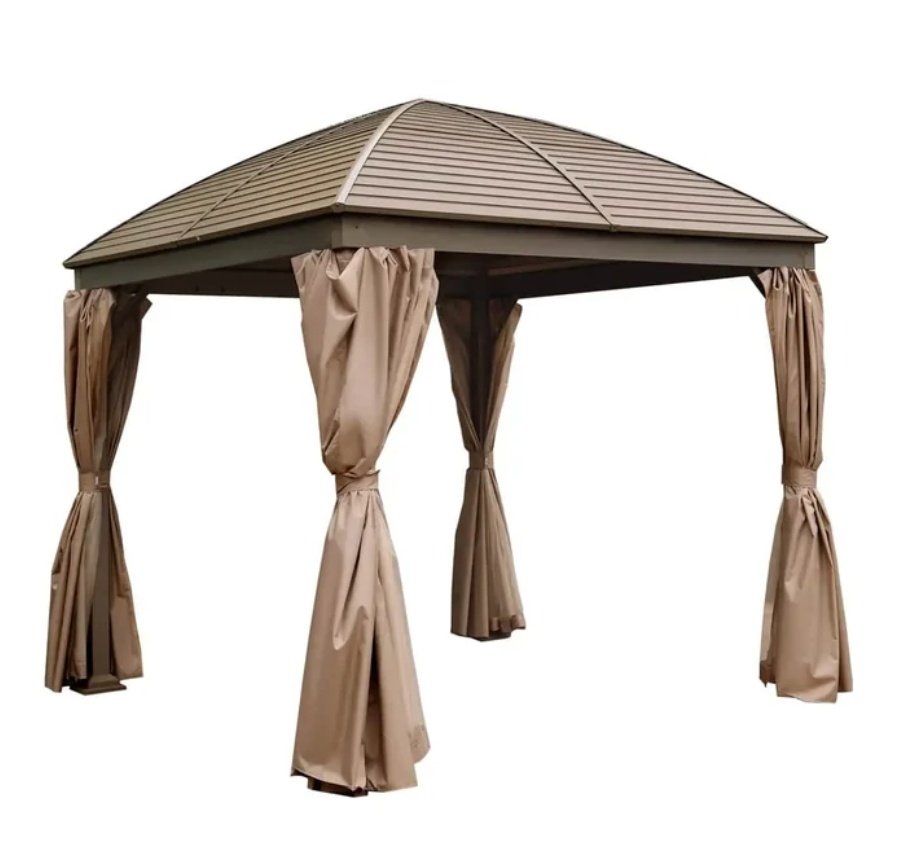
TMG 10’ x 10’ Hardtop Curved Steel Roof Patio Gazebo, Mosquito Nets & Curtains Included, TMG-LGZ10
Applications and Typical Use Cases
Where a Steel Roof Gazebo Adds Value
- Employee break areas – creating a comfortable, shaded space for rest and meals away from the main building.
- Outdoor meeting points – hosting safety briefings or toolbox talks in a covered environment.
- Temporary workstation – providing shelter for tasks like equipment inspection, inventory counting, or packaging.
- Smoking shelters – designating a covered, compliant area for smokers that protects from weather.
- Equipment staging – shielding materials or tools from sun and rain during loading or unloading.
How Covered Outdoor Spaces Improve Safety and Productivity
Exposure to direct sunlight increases the risk of heat stress, sunburn, and dehydration, leading to reduced concentration and higher accident rates. Rain and wind can make outdoor tasks uncomfortable or impossible, causing delays. A gazebo with a solid steel roof provides immediate relief: workers can stay cool and dry, maintaining productivity even during showers. The curtains offer adjustable shade and wind protection, while mosquito netting keeps biting insects at bay during warmer months—a significant benefit in Canadian summers near standing water or wooded areas. By improving the outdoor work environment, facilities demonstrate a commitment to worker welfare, which can boost morale and reduce turnover.
Technical Specifications and Design Features
Structure and Materials
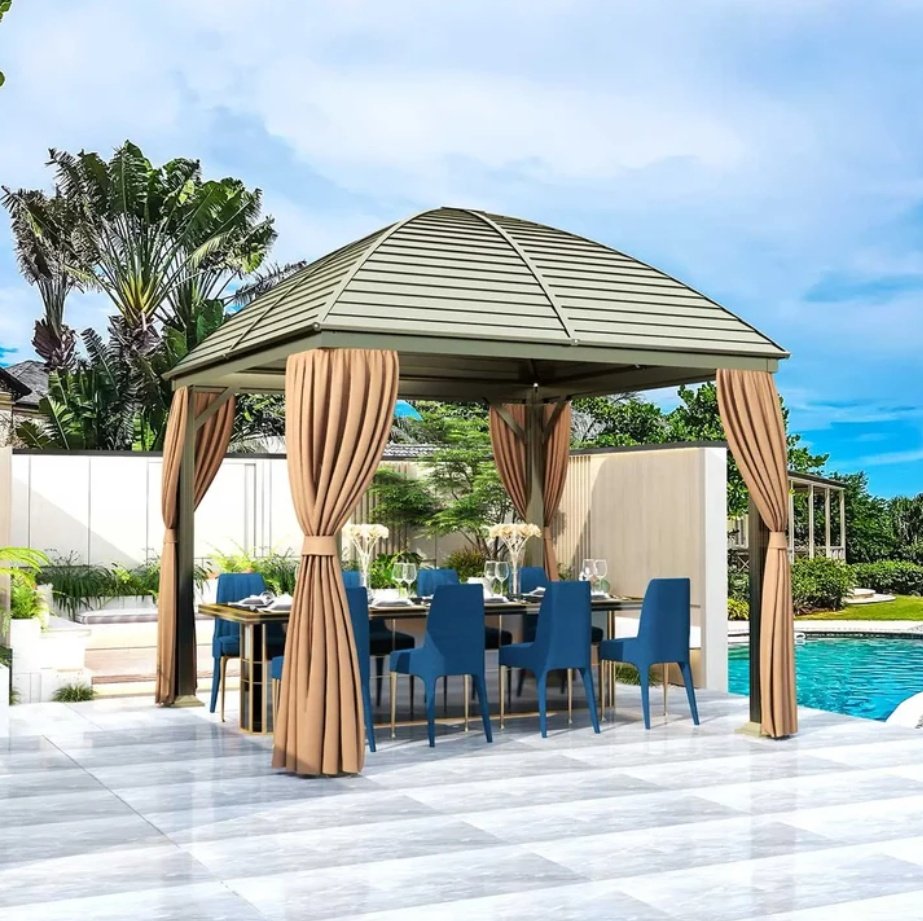
The gazebo features a heavyduty steel frame with a curved roof design, which enhances strength and allows rain and snow to slide off easily. The roof panels are made of galvanized steel with a bakedon enamel finish, resistant to rust and UV fading. The structure measures 10 feet by 10 feet, providing 100 square feet of covered space—enough for a picnic table, several chairs, or small equipment. The peak height allows comfortable standing for most adults.
Curtains and Mosquito Netting
Included are fulllength curtains (usually made of polyester or outdoor fabric) that can be drawn closed for privacy, wind protection, or shade. Mosquito netting panels can be attached to keep insects out while allowing airflow. Both are designed to be easily removable for cleaning or storage.
Anchoring and Stability
To withstand Canadian wind and snow loads, the gazebo must be securely anchored. Most models include predrilled holes in the base plates for bolting to concrete, decking, or pavers. Additional ground anchors or sandbags may be used for temporary installations.
Factors Affecting Performance and Longevity
- Anchoring quality – improper anchoring can lead to tipping in high winds; always follow manufacturer guidelines.
- Snow accumulation – while the curved roof sheds snow, heavy, wet snow may need to be cleared to prevent overloading.
- Maintenance of fabric components – curtains and netting should be cleaned regularly and taken down during extreme weather to prolong life.
- Corrosion prevention – inspect the steel frame for scratches or rust; touch up paint as needed.
- Site placement – avoid low spots where water pools; ensure good drainage around the base.
Safety Best Practices for Gazebo Installation and Use
During assembly, follow all instructions carefully; use a partner to lift heavy components. Ensure the gazebo is placed on level ground and anchored securely before use. Regularly check that all bolts and connections remain tight, especially after storms. If using electrical equipment inside (e.g., lighting, fans), ensure cords are rated for outdoor use and protected from moisture. Keep curtains and netting tied back when not in use to prevent them from blowing into the path of vehicles or pedestrians. In winter, remove fabric components if they are not designed for snow loads. Never use open flames (grills, heaters) inside the gazebo unless it is specifically rated for such use.
Comparison with Other Outdoor Shelter Options
Options for Industrial Outdoor Shelter
- Popup canopies (fabric tops) – lower cost, but less durable; fabric fades and tears; not suitable for snow.
- Permanent shade structures (metal pavilions) – highly durable, but require permits and professional installation; much higher cost.
- Umbrellas – inexpensive, but provide limited coverage and no wind/insect protection.
- 10′ x 10′ hardtop steel gazebo – offers a balance of durability, cost, and features; can be assembled by facility staff.
Useful Accessories
Solarpowered LED lights, batteryoperated fans, and outdoor-rated extension cords. A floor mat or portable decking can improve cleanliness. Some facilities add signage or company branding to the curtains.
Advantages and Limitations
Advantages
- Durable construction – steel roof and frame resist weather and pests.
- Versatile enclosure – curtains and netting adapt to sun, wind, and insects.
- Quick installation – can be assembled in a few hours by two people.
- Relocatable – can be disassembled and moved to another site if needed.
Limitations
- Size constraints – 10×10 feet may be too small for larger groups or equipment.
- Anchoring required – not freestanding; must be bolted or weighted down.
- Fabric maintenance – curtains and netting may need seasonal replacement.
RealWorld Example: Winnipeg Distribution Centre
A large distribution centre in Winnipeg, Manitoba, struggled to provide a comfortable outdoor break area for its 50 warehouse staff. The existing picnic tables were exposed to sun and mosquitoes, leading to complaints and reduced breaktime satisfaction. The facility installed two 10′ x 10′ hardtop curved steel roof patio gazebos with curtains and mosquito netting near the employee entrance. The gazebos were anchored to concrete pads and equipped with picnic tables and solar lights. During the following summer, employee feedback was overwhelmingly positive, with a 30 percent reduction in heatrelated complaints and fewer insectborne irritations. The curtains also allowed use during light rain, and the steel roofs withstood early snow without issue. The facility manager noted that the investment improved morale and was completed for a fraction of the cost of a permanent structure.
For broader land management and equipment solutions, industrial suppliers such as: TMG 10’ x 10’ Hardtop Curved Steel Roof Patio Gazebo, Mosquito Nets & Curtains Included, TMG-LGZ10 for reliable options.
Conclusion and Future Outlook
The 10foot by 10foot hardtop curved steel roof patio gazebo is a practical, safetyconscious addition to any industrial site seeking to enhance outdoor spaces. For Canadian warehouse managers, equipment operators, and logistics professionals, it offers an affordable way to provide weather and insect protection for employees, improving comfort and productivity. As workplace wellness continues to gain attention, such amenities will become more common in industrial settings. Future trends may include integration of solar panels in the roof for powering lights and fans, as well as smart sensors that automatically close curtains during high winds. Investing in these structures demonstrates a commitment to worker welfare and operational flexibility.

Hire Vetted Data Scraping Experts to Power Your Business Intelligence in 2026

The London Brands Setting Global Fashion Standards

The Psychology of Why We Love Solving Mysteries Under Pressure

Creative Ways to Level Up Your Home Gaming Environment for Friends

Understanding Image to Image Through Model Capabilities Evolution

2026 Prenup Report: Public Opinion, Misconceptions, and Motivations

Seedance 2.0 Makes AI Video Feel More Operational

Revitalize Your Skin with an Ultrasonic Skin Spatula: Tips & Benefits

Six AI Music Tools Transforming Ideas Into Usable Tracks

Planning, Building Regulations, and More for Loft Conversions in Essex

Who Is Jennifer Rauchet?: All You Need To Know About Pete Hegseth’s Wife

Who Is Mindy Jennings?: All You Need To Know About Ken Jennings Wife

Who Is Enrica Cenzatti?: The Untold Story of Andrea Bocelli’s Ex-Wife

Who Is Klarissa Munz: The Untold Story of Freddie Highmore’s Wife

Who Is Mallory Plotnik?: The Untold Story of Phil Wickham’s Wife

Meet Christina Erika Carandini Lee?: All You Need To Know Christopher Lee’s Daughter

Who Is Allison Butler?: The Life and Influence of Kirk Herbstreit Wife

Who Is Terrance Michael Murphy?: Everything about Audie Murphy’s Son

Alec Bohm Wife: Everything You Need to Know About Jacque Darby

Who Is Jessica Marie Blosil?: Everything About Marie Osmond’s Daughter
Hire Vetted Data Scraping Experts to Power Your Business Intelligence in 2026
The London Brands Setting Global Fashion Standards
The Psychology of Why We Love Solving Mysteries Under Pressure
Creative Ways to Level Up Your Home Gaming Environment for Friends
Understanding Image to Image Through Model Capabilities Evolution
2026 Prenup Report: Public Opinion, Misconceptions, and Motivations
Seedance 2.0 Makes AI Video Feel More Operational
Revitalize Your Skin with an Ultrasonic Skin Spatula: Tips & Benefits
Six AI Music Tools Transforming Ideas Into Usable Tracks
Planning, Building Regulations, and More for Loft Conversions in Essex
-
 Celebrity1 year ago
Who Is Jennifer Rauchet?: All You Need To Know About Pete Hegseth’s Wife
-
 Celebrity1 year ago
Who Is Mindy Jennings?: All You Need To Know About Ken Jennings Wife
-
 Celebrity1 year ago
Who Is Enrica Cenzatti?: The Untold Story of Andrea Bocelli’s Ex-Wife
-
 Celebrity2 years ago
Who Is Klarissa Munz: The Untold Story of Freddie Highmore’s Wife