
Business
From Work Visa to Citizenship: Understanding the Actual Journey

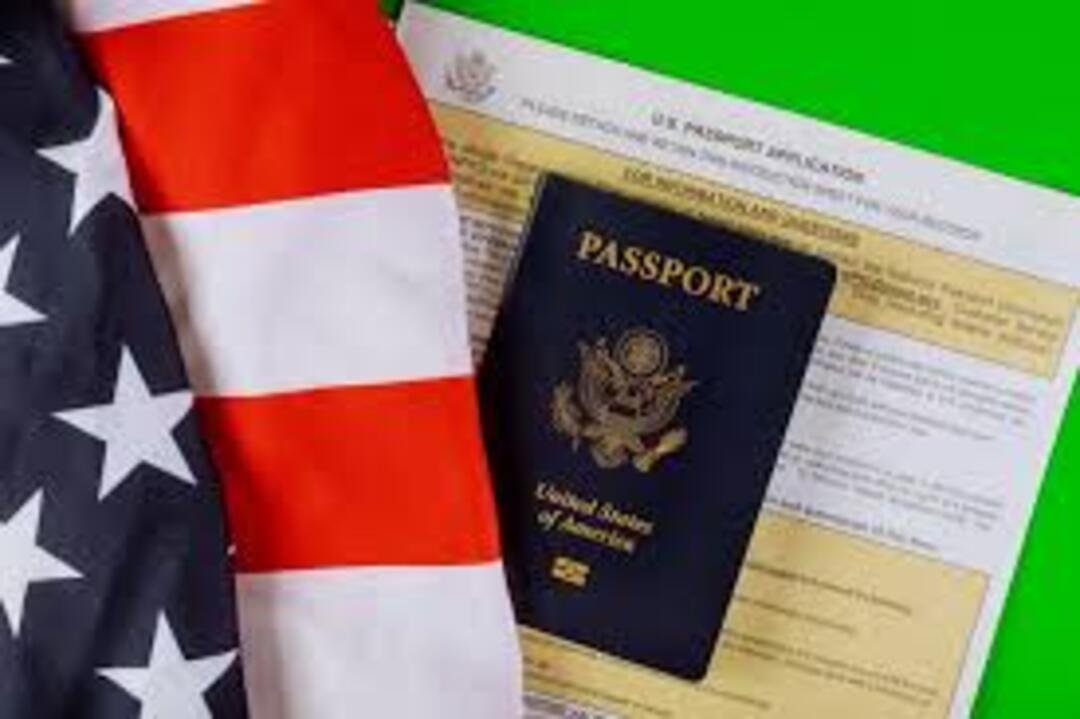
The transition from international work visa to citizenship isn’t the streamlined status adjustment journey many professionals assume after accepting an overseas offer. Instead, each stage of the transition operates independently of the others, each with its own requirements and processing times, leading a journey that, in reality, spans over many years.
It’s important to recognize the multi-step process because what’s done at one step impacts the next. Missed documentation, gaps in employment, even a miscalculation on what type of visa to apply for at the onset isn’t realized until someone attempts to transition status to the next level.
The Work Authorization Start
Most people enter into their international journeys with some sort of employer-sponsored work authorization (or like type of temporary arrangement). These visas come with strict conditions, work for a specified company, perhaps work in a specific position or location, mandatory renewals up to every three years, depending on the country, to keep re-exploring eligibility.
During this period, performance is focused on work and satisfying the parameters of the visa’s continued eligibility. However, this is also when the foundation is built for any future immigration considerations. Employment letters, tax records, and even residential addresses are all early contributions to the paper trail which will ultimately be evaluated by immigration officials.
The problem is that many professionals are unaware that they’re being evaluated from day one. Many countries with selective immigration systems assess whether one complies with all visa stipulations, pays taxes, avoids moving violations, etc. Those details matter when it comes time to renew a work visa or, ultimately, if and when one wants to apply for singapore citizenship or achieve permanent status in another selective immigration system.
The Transition Toward Permanent Residency
The transition from temporary work authorization to permanent residency represents the greatest hurdle of most immigrants and to most immigration applications. Every country is different but overall, minimum requirements exist which boast time spent in the country, sufficient finances and community integration (cultural and linguistic recognition).
What surprises people most, however, is how subjective some criteria can be. If an immigration officer is inclined to believe someone hasn’t established roots, they don’t have to check off yes. Did they go to a language school to learn the local tongue? Are they part of a book club to improve communication? Did they stay in their first job or were they let go after failing to learn proper etiquette because they continuously arrived late?
The waiting period between applying for permanent residency and achieving it can be as substantially long as time allows. Some systems take months, some take years. During this time, applications remain with their current work authorization which adds stress if the person’s status is about to expire.
The Gap Between Permanent Residency and Citizenship
Once people receive permanent residency status, it feels like the end goal until they find out that citizenship requires another lengthy waiting period along with additional requirements for a year. Most countries require new permanent residents to stay permanent residents for an additional three to five years before they’re eligible for citizenship, even longer in some cases.
This isn’t a waiting period, however, to do nothing. Permanent residents must still meet physical presence requirements; must not receive any major legal violations along the way; must still actively engage in meaningful citizenship (working consistently and not on the books under the table in construction sites). Some even require language proficiency tests, civics exams, or manifestations of economic contributions akin to a foreigner from day one.
No one is truly aware whether or not they will ultimately want citizenship versus remaining a permanent resident. For example, citizenship provides means for voting, no restrictions on travel documents, and no risk of deportation. However, citizenship may mean losing citizenship with other countries that deny dual citizenship; it may also come with tax implications that should be reviewed by professionals.
What Actually Makes You Successful
Patterns emerge when recognizing successful versus lost or stalled applications. It doesn’t necessarily matter if they’re perfect; it matters more that they’ve been consistent over time. Immigration systems prefer people who’ve established stable employment patterns, regularly paid taxes, maintained citizenship over time even if they accomplished nothing special.
However, documentation often makes or breaks each application. Employment letters, paychecks, tax returns, leases, utility bills, anything that can substantiate someone’s presence and contributions to a country strengthen status eligibility. The sooner they have them in order from day one, the less stress they’ll experience years later.
But requirements can also change. Immigration standards often shift based on the whims of political exchanges and socio-economic global realities; what someone’s colleague successfully leveraged three years ago may not apply anymore. Knowing current policy stipulations and forthcoming changes helps people time their applications better.
Realistic Timeline Understanding
The most streamlined journeys from work visas to citizenship span seven to twelve years, with most options operating closer to the 12-year mark based on country and individual status determinants. That’s a significant span of a professional’s career and professional life operating in limbo to varying degrees.
Breaking it down: two to four years on work visas establishing work records; another two to five years satisfying permanent residency requirements and approval wait; three to five more years for citizenship approval eligibility. Each step comes with waiting periods that boast processing times which extend in everyone else’s favor but the applicant’s.
Thus, it’s important to realize that this is not a process that happens to people, it requires patience, consideration, planning and no shortcuts along the way. Status progression is not automatic; it’s not an afterthought during this time when someone is miraculously married/having a child in a foreign country. The sooner someone takes ownership for their status progression, from day one onward, the sooner they establish credibility under the system for approval.

Medical Device Prototyping Services: Faster Development Without Compromising Quality

How to Extend the Lifespan of Industrial Hydraulic Components

How On-Demand Delivery Can Double Your Sales

The Vital Role Of General Dentistry In Lifelong Oral Health

How to Choose the Right Mousepad desk mats for Your Desk Layout

How Rocket Canopy Windproof Walls Protect Your Booth in Harsh Weather

Why Preventive Dental Planning Matters For Households

Why Parasite Prevention Is A Central Focus In Veterinary Clinics

Common Mistakes People Make When Buying Paneer Cheese

7 Smart Reasons Designer Radiators Are Becoming a Must-Have in Modern UK Homes

Who Is Jennifer Rauchet?: All You Need To Know About Pete Hegseth’s Wife

Who Is Mindy Jennings?: All You Need To Know About Ken Jennings Wife

Who Is Enrica Cenzatti?: The Untold Story of Andrea Bocelli’s Ex-Wife

Who Is Klarissa Munz: The Untold Story of Freddie Highmore’s Wife

Who Is Mallory Plotnik?: The Untold Story of Phil Wickham’s Wife

Meet Christina Erika Carandini Lee?: All You Need To Know Christopher Lee’s Daughter

Who Is Allison Butler?: The Life and Influence of Kirk Herbstreit Wife

Who Is Terrance Michael Murphy?: Everything about Audie Murphy’s Son

Alec Bohm Wife: Everything You Need to Know About Jacque Darby

Who Is Jessica Marie Blosil?: Everything About Marie Osmond’s Daughter
Medical Device Prototyping Services: Faster Development Without Compromising Quality
How to Extend the Lifespan of Industrial Hydraulic Components
How On-Demand Delivery Can Double Your Sales
The Vital Role Of General Dentistry In Lifelong Oral Health
How to Choose the Right Mousepad desk mats for Your Desk Layout
How Rocket Canopy Windproof Walls Protect Your Booth in Harsh Weather
Why Preventive Dental Planning Matters For Households
Why Parasite Prevention Is A Central Focus In Veterinary Clinics
Common Mistakes People Make When Buying Paneer Cheese
7 Smart Reasons Designer Radiators Are Becoming a Must-Have in Modern UK Homes
-
 Celebrity1 year ago
Who Is Jennifer Rauchet?: All You Need To Know About Pete Hegseth’s Wife
-
 Celebrity1 year ago
Who Is Mindy Jennings?: All You Need To Know About Ken Jennings Wife
-
 Celebrity1 year ago
Who Is Enrica Cenzatti?: The Untold Story of Andrea Bocelli’s Ex-Wife
-
 Celebrity2 years ago
Who Is Klarissa Munz: The Untold Story of Freddie Highmore’s Wife