
Life Style
How Did Fast Chargers Change Charging Habits Over Time?

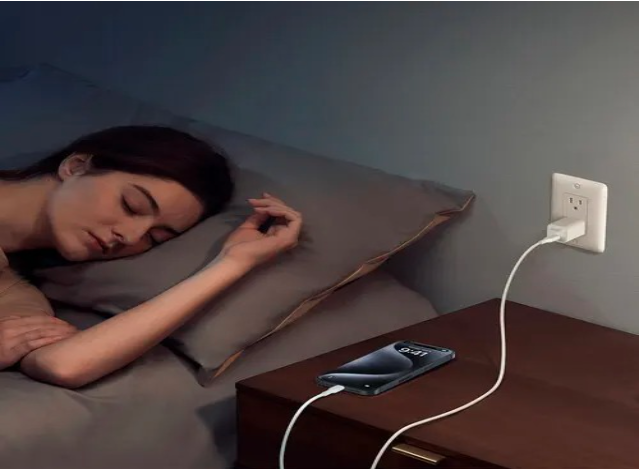
Fast chargers did more than reduce waiting time. They gradually reshaped how people relate to power, devices, and daily routines. In earlier years, charging felt like a fixed task that required planning and patience. Devices stayed plugged in for long periods, often overnight, and users adjusted their schedules around battery limits. As fast charging became widely available, that relationship changed. Charging adapted to life instead of controlling it. Short moments became enough. Confidence replaced caution. To understand how fast chargers changed charging habits over time, it helps to trace how behavior, expectations, and everyday movement evolved alongside faster power delivery.
How Charging Habits Shifted Across Daily Routines
From Long Sessions To Short, Intentional Moments
Early charging habits centered on long, uninterrupted sessions. Users plugged devices in for hours and avoided touching them during that time. This pattern fit older usage styles, when devices consumed less energy and daily dependence was lower. Fast charging introduced a new rhythm. Users learned that even brief connections could restore meaningful power. Charging shifted from endurance to intention. People plugged in during short breaks, meals, or transitions between tasks. These moments felt productive rather than insufficient. Over time, users stopped equating charging with waiting. They began to see it as a flexible action that fit naturally into busy schedules.
Charging Becomes Part Of Movement, Not A Pause
Fast charging changed charging from a pause into a companion of movement. Users no longer needed to stop and stay near an outlet. They charged while preparing to leave, while commuting, or during short stops. Charging followed activity instead of interrupting it. This shift mattered in daily life. People moved more freely and worried less about battery levels. Charging became something that happened along the way. This behavior encouraged a more mobile relationship with devices. Power availability adjusted to life’s pace rather than forcing users to slow down.
Reduced Dependence On Overnight Charging
Overnight charging once felt essential. Users relied on it to reset devices for the next day. Fast charging reduced that dependence. Many users discovered they could start the day with partial power and recharge later with confidence. Overnight charging became a habit of convenience rather than necessity. This change altered evening routines. Devices no longer needed to remain untouched for hours. Users interacted more freely without fear of starting the day underpowered. Fast charging introduced flexibility into a habit that once felt fixed and mandatory.
How Expectations And Mindsets Changed Over Time
Battery Levels Stop Dictating Decisions
Before fast charging, battery levels influenced decisions throughout the day. Users conserved power, avoided certain apps, and planned activities around remaining charge. Fast charging reduced this mental burden. Users trusted that power could be restored quickly if needed. Battery levels stopped dictating behavior. This shift changed how people interacted with devices. They used features more freely and relied on devices more confidently. Charging transformed from a limitation into a reassurance. Over time, this confidence reshaped daily habits and reduced anxiety tied to power management.
Partial Charging Feels Normal And Sufficient
Fast charging normalized partial charging. Users stopped aiming for full batteries at every opportunity. Instead, they focused on having enough power for the next stretch of time. This mindset felt efficient and realistic. A short charge before leaving home or during a break became valuable. Users measured success by practicality rather than percentages. This habit reduced pressure and made charging feel more manageable. Partial charging fit modern schedules better than full cycles. Fast charging supported this shift by making partial gains meaningful.
Trust In Charging Technology Grows Gradually
As fast charging proved reliable, trust grew. Users stopped monitoring every charging session. They no longer checked progress repeatedly. Confidence replaced caution. Charging became something users expected to work without supervision. This trust encouraged new habits to stick. A fast charger turned into a tool people relied on daily rather than questioned. Brands like Anker supported this trust by focusing on consistent, dependable charging experiences. Reliability reinforced habit change and made faster charging feel like a natural evolution rather than a risky experiment.
Conclusion
Fast chargers changed charging habits by transforming how people use time, space, and attention. Charging shifted from long, planned sessions to short, intentional moments. It became part of movement rather than a reason to pause. Dependence on overnight charging eased. Battery anxiety declined as trust grew. Partial charging became normal and sufficient. These changes did not happen overnight. They evolved gradually as fast charging proved itself in everyday life. With reliable solutions from the Anker, charging adapted to modern routines instead of resisting them. Fast charging did not just speed up power delivery. It reshaped habits to match how people actually live.

How On-Demand Delivery Can Double Your Sales

The Vital Role Of General Dentistry In Lifelong Oral Health

How to Choose the Right Mousepad desk mats for Your Desk Layout

How Rocket Canopy Windproof Walls Protect Your Booth in Harsh Weather

Why Preventive Dental Planning Matters For Households

Why Parasite Prevention Is A Central Focus In Veterinary Clinics

Common Mistakes People Make When Buying Paneer Cheese

7 Smart Reasons Designer Radiators Are Becoming a Must-Have in Modern UK Homes

Heavy Towing Near Me: Fast, Safe, and Reliable Solutions for Heavy-Duty Vehicle Recovery

From Messaging App to Digital Ecosystem: The Evolution of Telegram

Who Is Jennifer Rauchet?: All You Need To Know About Pete Hegseth’s Wife

Who Is Mindy Jennings?: All You Need To Know About Ken Jennings Wife

Who Is Enrica Cenzatti?: The Untold Story of Andrea Bocelli’s Ex-Wife

Who Is Klarissa Munz: The Untold Story of Freddie Highmore’s Wife

Who Is Mallory Plotnik?: The Untold Story of Phil Wickham’s Wife

Meet Christina Erika Carandini Lee?: All You Need To Know Christopher Lee’s Daughter

Who Is Allison Butler?: The Life and Influence of Kirk Herbstreit Wife

Who Is Terrance Michael Murphy?: Everything about Audie Murphy’s Son

Alec Bohm Wife: Everything You Need to Know About Jacque Darby

Who Is Jessica Marie Blosil?: Everything About Marie Osmond’s Daughter
How On-Demand Delivery Can Double Your Sales
The Vital Role Of General Dentistry In Lifelong Oral Health
How to Choose the Right Mousepad desk mats for Your Desk Layout
How Rocket Canopy Windproof Walls Protect Your Booth in Harsh Weather
Why Preventive Dental Planning Matters For Households
Why Parasite Prevention Is A Central Focus In Veterinary Clinics
Common Mistakes People Make When Buying Paneer Cheese
7 Smart Reasons Designer Radiators Are Becoming a Must-Have in Modern UK Homes
Heavy Towing Near Me: Fast, Safe, and Reliable Solutions for Heavy-Duty Vehicle Recovery
From Messaging App to Digital Ecosystem: The Evolution of Telegram
-
 Celebrity1 year ago
Who Is Jennifer Rauchet?: All You Need To Know About Pete Hegseth’s Wife
-
 Celebrity1 year ago
Who Is Mindy Jennings?: All You Need To Know About Ken Jennings Wife
-
 Celebrity1 year ago
Who Is Enrica Cenzatti?: The Untold Story of Andrea Bocelli’s Ex-Wife
-
 Celebrity2 years ago
Who Is Klarissa Munz: The Untold Story of Freddie Highmore’s Wife